Middelburg Quarry Brief And Matching The Surplus
The job came in from a quarry operator just outside Middelburg who had surplus jaw liners left over after a planned wear change. The liners were still serviceable, but they no longer suited the plant schedule. At the same time, a hard rock producer in the same district needed compatible liners for a jaw crusher running in a high-wear section of the plant. The brief was simple enough on paper: confirm the condition, match the profile, keep the parts secure, and complete the exchange without delaying either site.
The key challenge was timing. Both operations were under pressure from load-shedding and had limited shutdown windows, so there was no appetite for parts sitting around for weeks. The quarry also wanted a clear paper trail for stock movement, because internal controls on wear parts had tightened after a few expensive ordering mistakes earlier in the year. We worked from our Middelburg base and treated the exchange as a controlled stock move rather than an informal swap.
Jaw Liner Specification And Condition Checks
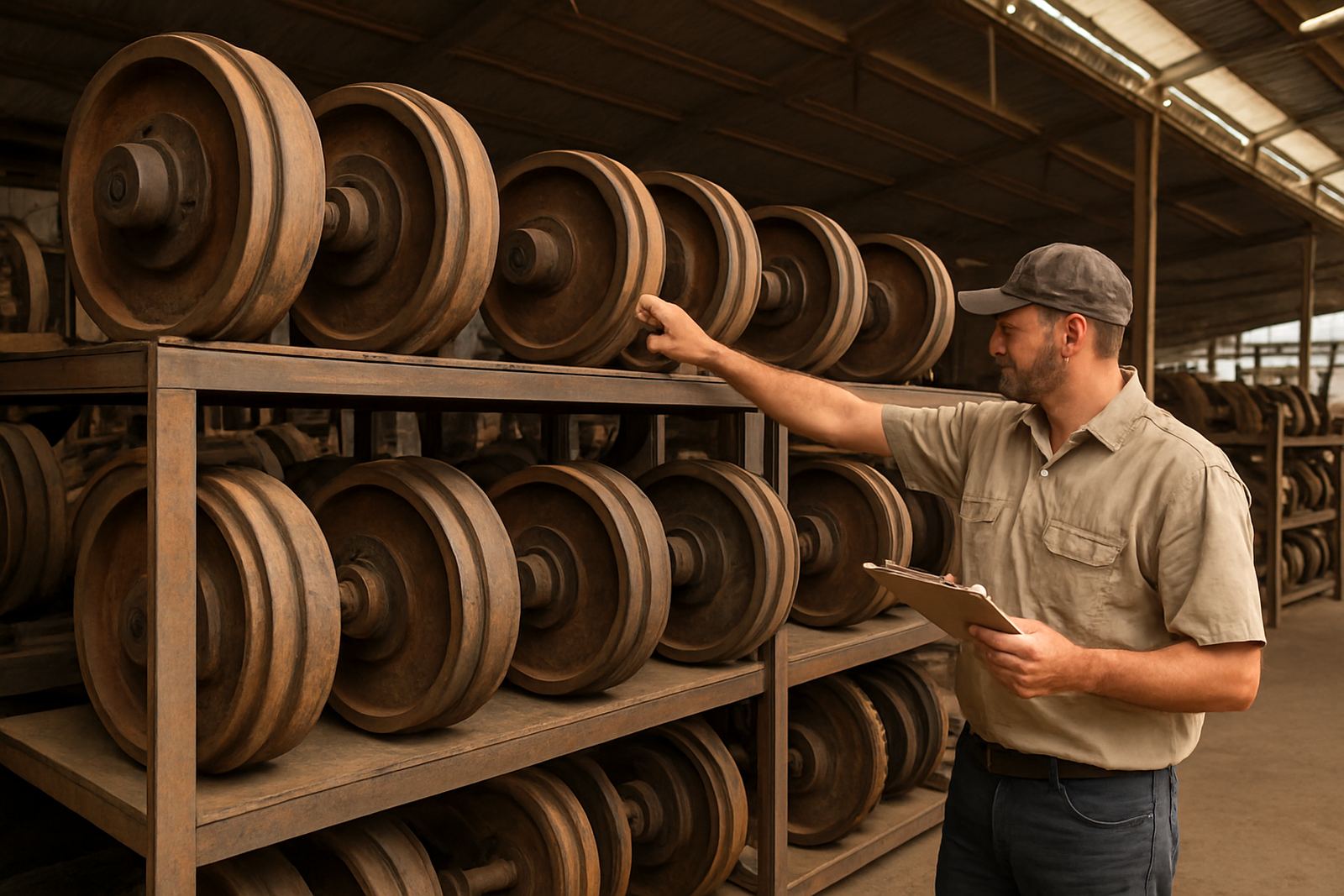
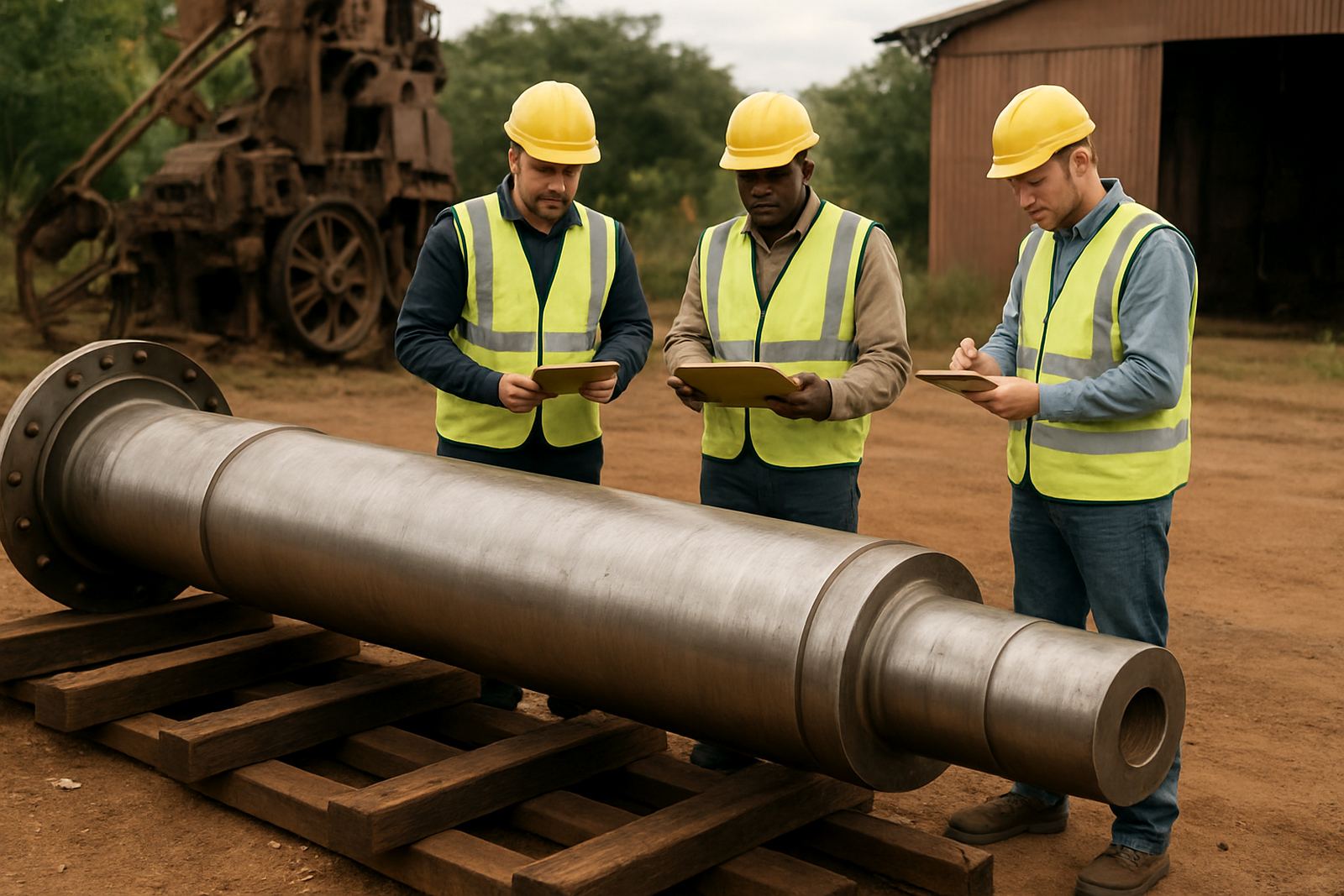
Before anything moved, our inspection team checked the liners for thickness, profile, cracking, bolt-hole damage and uneven wear. These were manganese jaw liners removed from a mid-size crushing circuit, with one pair showing moderate wear and the other pair in better condition with some service life left. The liners were suitable for exchange because the wear pattern was consistent, and the fixing points were still clean and usable.
We recorded measurements, photographed both faces and confirmed the liner set details against the crusher opening and jaw profile required by the receiving site. That part matters more than people think. A liner that is close but not quite right can cost a full shift, and on a busy quarry floor that is money lost. The receiving producer needed parts that would fit their existing plates without extra machining, so we made sure the condition report was specific and practical.
- Part type: jaw liners for a quarry crushing circuit
- Material: manganese wear parts
- Condition: used, inspected and suitable for exchange
- Fitment focus: bolt pattern, profile match and wear remaining
- Handling: palletised for safe storage and collection
Storage, Palletising And Controlled Handover
Once the liners were signed off, we moved them into secure yard storage at our Middelburg yard and prepared them for exchange. The pieces were heavy and awkward to handle, so palletising had to be done properly with enough support under each unit to prevent edge damage. We kept the sets separated and labelled so there was no confusion between the outgoing surplus and the incoming replacement stock.
Because the quarries were operating through a few hot, dusty days, we also checked for contamination before release. Fine dust and rust scale can create a poor impression and make fitting harder than it should be. The liners were cleaned, wrapped where needed and staged for local collection. Our logistics supervisor planned the timing around both sites opening windows, which helped avoid trucks waiting around in the sun or arriving when the plant was tied up with blasting and belt maintenance.
- Yard storage used for temporary holding in Middelburg
- Palletising completed for safer loading and offloading
- Parts labelled by site and exchange status
- Release matched to collection window and transport availability
Delivery Route Across Mpumalanga And The Receiving Site
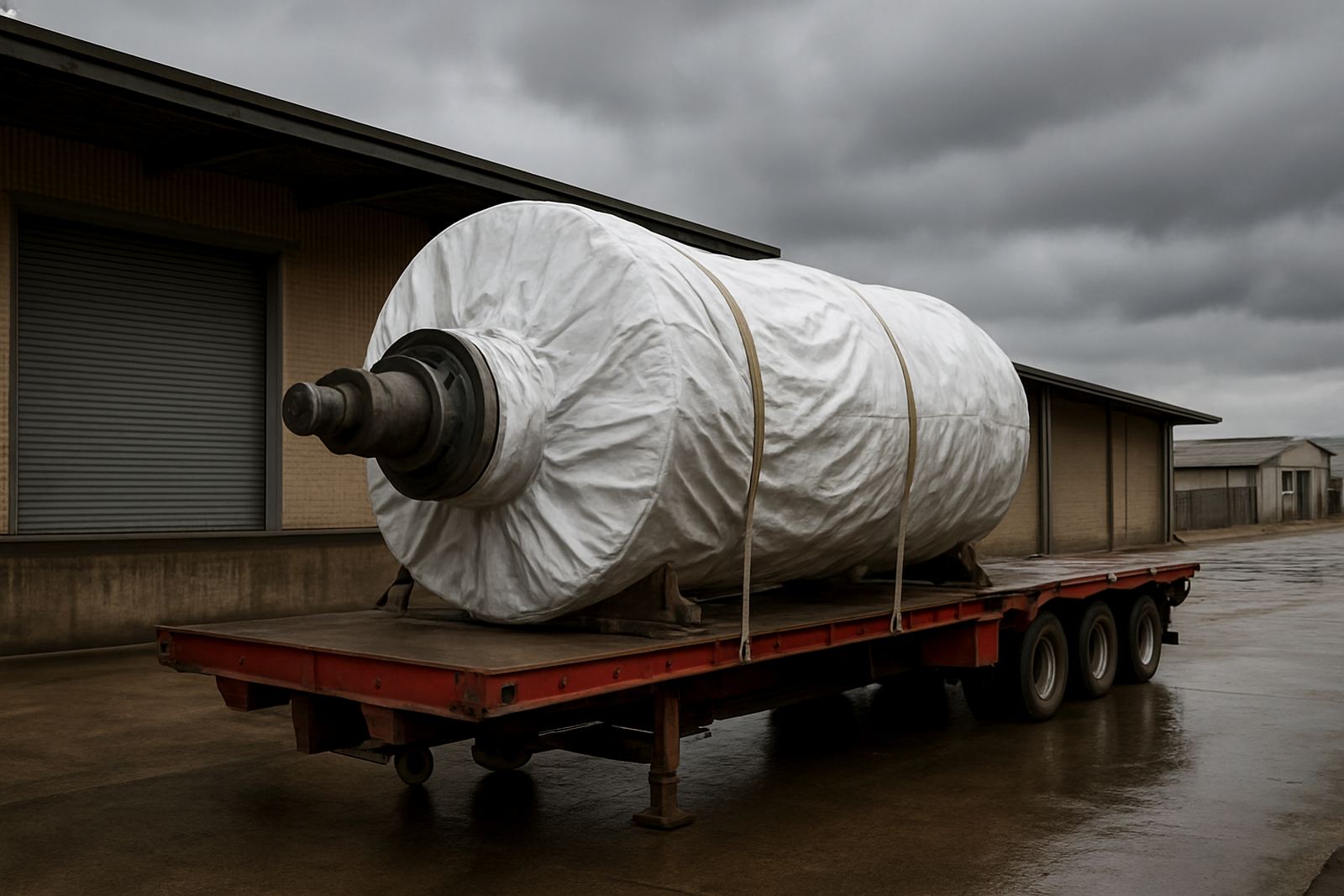
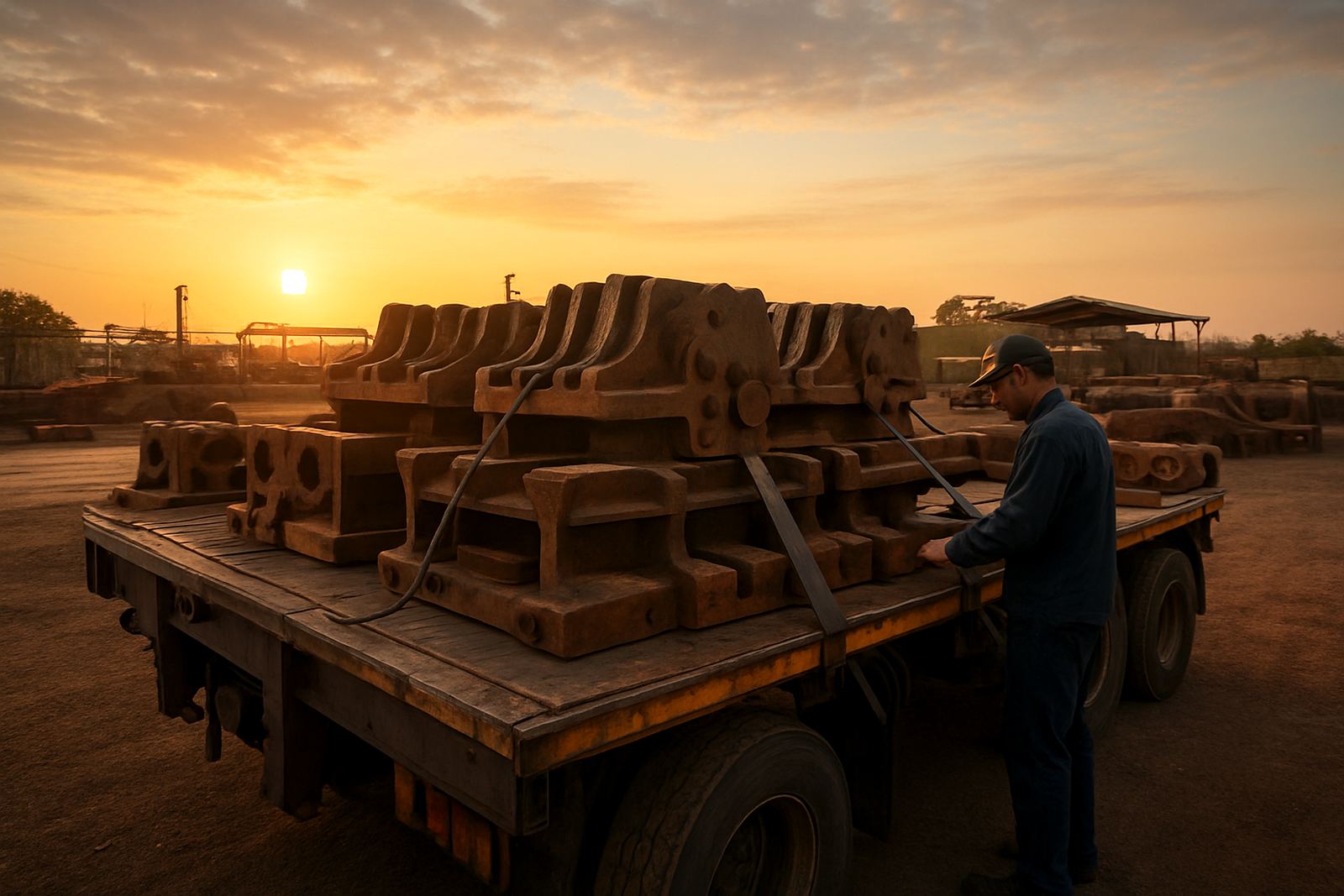
The exchange moved in a matter of days rather than weeks. After final sign-off, we arranged collection from the Middelburg yard and delivery to the receiving producer in the regional corridor. The route planning had to account for road conditions, heavy vehicle access and the fact that the receiving site was not keen on after-hours offloading. The team wanted the liners on site while the fitter and supervisor were both available, which is the right way to do it.
For the outbound move, we used a clean loading sequence so the parts stayed secure in transit. On delivery, the receiving team checked the tags, verified the dimensions and confirmed that the exchange stock matched the jaw crusher requirement. The handover was straightforward, which is usually the best sign that the inspection and matching work was done properly. No one had to improvise with spacer plates or chase a last-minute substitute, and that saved time for both operations.
What The Quarry Gained From The Exchange
The main benefit was cash control. Instead of writing off usable jaw liners or letting them sit as dead stock, the quarry converted surplus into value and kept the parts in circulation. That mattered because replacement wear parts were becoming harder to budget for with fuel, power interruptions and transport costs all pushing up operating expenses. The receiving producer got a workable set of liners faster than a new procurement cycle would have allowed, and the two sites avoided unnecessary scrap.
There was also an environmental angle, although the operators framed it in practical terms. Reusing serviceable crusher spares reduces waste and keeps heavy steel out of the scrap stream too early. For quarries around Middelburg, eMalahleni and Secunda, that kind of exchange makes sense when spares are scarce and shutdowns are short. It is not a fancy idea, just a useful one that fits the way South African quarries actually run.
- Reduced idle stock and freed up yard space
- Shorter lead time than sourcing new liners
- Lower spend compared with outright replacement
- Less scrap generated from parts still fit for use
Timeline, Result And What We Would Repeat
The full project ran over two weeks. Week one covered intake, inspection, measurement and condition reporting. Week two covered yard storage, exchange matching, collection and delivery. That pace worked because the quarry brief was clear from the start and the receiving site confirmed its fitment requirements quickly. There was a minor delay while both sides checked internal approval for release, but once that was done the exchange moved smoothly.
The result was a practical parts transfer that supported both sites without interrupting production. The quarry cleared surplus jaw liners from its books, the hard rock producer got the wear parts it needed and our team kept the process controlled from first inspection to final handover. If we were doing the same job again, we would repeat the same sequence: inspect early, confirm fitment before transport, and keep the storage and release records tight. That approach suits quarries, mines and shutdown teams who need certainty more than drama.
For Middelburg and the surrounding industrial belt, that is often the difference between a part sitting in a yard and a part doing useful work on a crusher. It sounds simple because it was done properly.
Key facts
| Project location | Middelburg, Mpumalanga |
|---|---|
| Client type | Quarry operator with surplus wear parts |
| Receiving site type | Nearby hard rock producer |
| Part supplied | Used jaw liners |
| Service scope | Inspection, storage, exchange and delivery |
| Project timeline | 2 weeks from intake to handover |