Kuruman shutdown brief and what the client needed
The client was a mining contractor supporting a shutdown in Kuruman, Northern Cape, where every shift had a fixed window and the crusher team could not afford a missing shaft at the wrong stage. Their brief was simple on paper: find a usable main shaft from surplus stock, confirm its condition before dispatch, and get it to site in time for planned maintenance.
The shaft had to suit a fixed-size crusher application and arrive ready for fitment checks, not as a gamble. It also had to be handled properly because the shutdown was scheduled during a hot, dusty period with limited storage space on site and tight access for offloading.
- Project type: shutdown support for a mine maintenance team
- Location: Kuruman, Northern Cape
- Item: surplus main shaft recovered from yard storage
- Requirement: inspect, verify, pack and deliver within the shutdown window
Our Middelburg base allowed us to coordinate the recovery, inspection and dispatch without losing time between yards and transport. Thabo Johannes Mokoena and the team kept the process moving from the first enquiry through to delivery handover.
The constraints we had to work around
At the time, the client was working with a narrow shutdown slot and could not wait for a long sourcing cycle. The shaft was already in storage, but it still needed a proper inspection because a used crusher part must be checked before it is released for a critical job. In a shutdown, there is no room for guesswork, especially when the machine has to go back online quickly.
There were also practical constraints that matter in the North West and Northern Cape corridor. Long-distance freight needs secure packing, clear paperwork and an offload plan that works with the site team. On top of that, the shaft had to be protected against handling marks and contamination, because fine dust and moisture can cause trouble during installation if a part is left open in transit.
- Limited shutdown window of 2 weeks
- Need for inspection before dispatch
- Long haul delivery from Middelburg to Kuruman
- Protection against dust, moisture and transit damage
We also had to make sure the client knew exactly what they were getting. That meant a practical condition report, clear measurements, and direct feedback on anything that might affect fitment at site.
Inspection, measurements and condition reporting
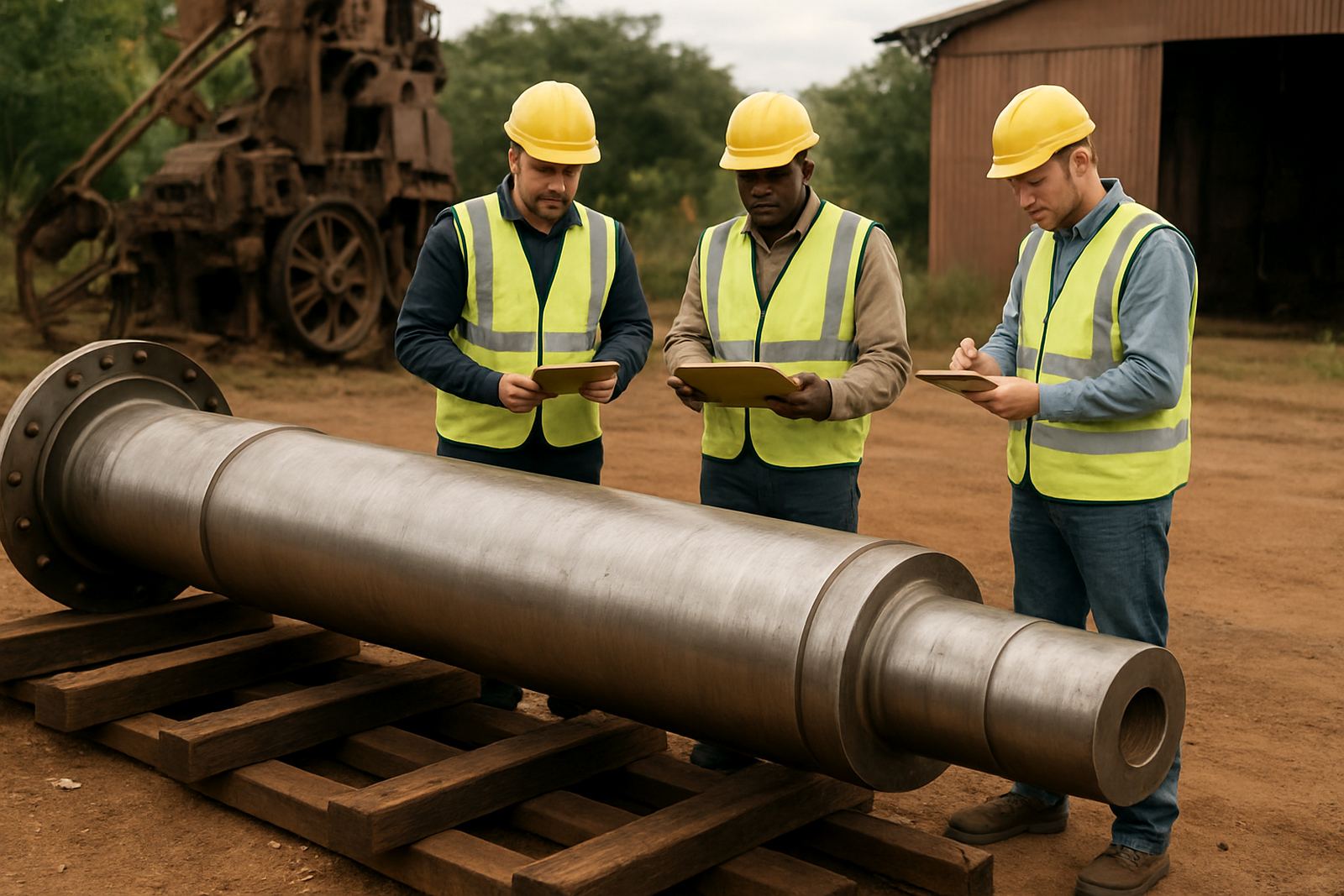
Sibusiso Ndlovu coordinated the inspection, while Johan Steenkamp handled yard release and storage movement. The shaft was cleaned, checked for visible wear, and measured at the critical contact surfaces. We recorded the points the client needed for fitment planning, including overall length, journal condition, key seating areas and any sign of scoring or corrosion.
The item was not treated as a generic scrap piece. It was assessed as an exchange part with value, and the report gave the maintenance team a proper basis for approval. Where the part was sound, we noted it. Where we saw wear, we recorded it plainly so there would be no surprise when the shaft reached site.
- Overall length: 1.85 metres
- Approximate weight: 2.4 tonnes
- Condition: serviceable used shaft with minor surface marking
- Report included: visual inspection, dimensional checks and handling notes
That level of detail matters because shutdown teams need to know whether they are receiving a part for immediate fitment, rework or storage. In this case the condition was acceptable for the planned application and the client signed off on release.
Storage, palletising and loading out of Middelburg
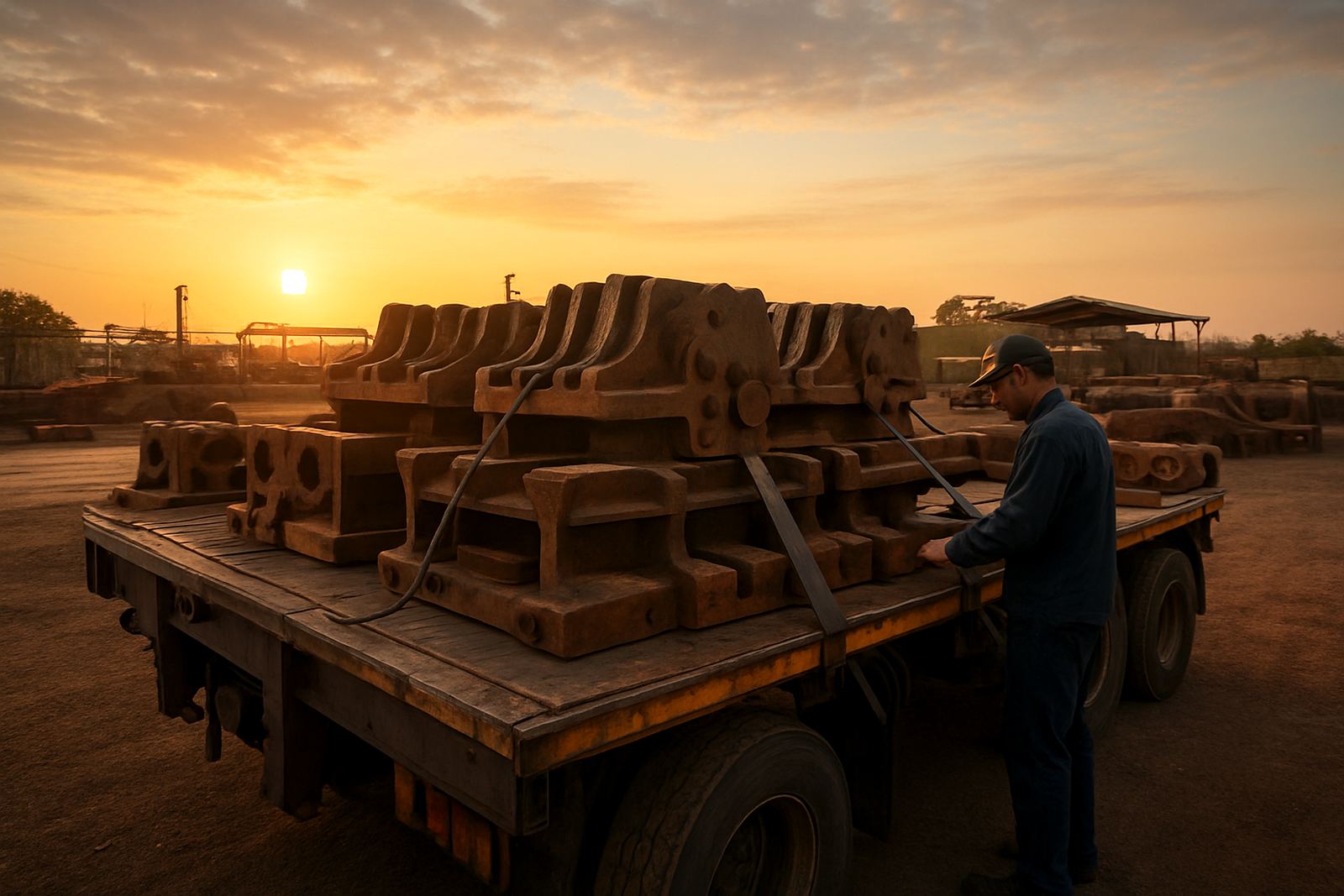
Once approved, Mpho Rakoma arranged the load-out sequence and the shaft was moved from storage to dispatch prep. Because of the part size and mass, it needed controlled lifting, proper resting points and secure palletising for transport. The team used the yard space carefully so there was no unnecessary handling between inspection and loading.
Lerato Maseko and Nokuthula Dlamini kept the client updated on timing, collection status and expected delivery. That is important on projects like this because shutdown managers often need to plan cranes, fitment crews and shift handovers around the delivery arrival time.
- Yard prep completed in 1 day
- Protective packing applied to machined surfaces
- Load secured for long-distance haulage
- Collection arranged to suit the shutdown sequence
The shaft left Middelburg in a condition that was suitable for direct site handling. We also supplied handling notes so the receiving team knew where to place lifting gear and what to check before fitment started.
Delivery into Kuruman and shutdown support
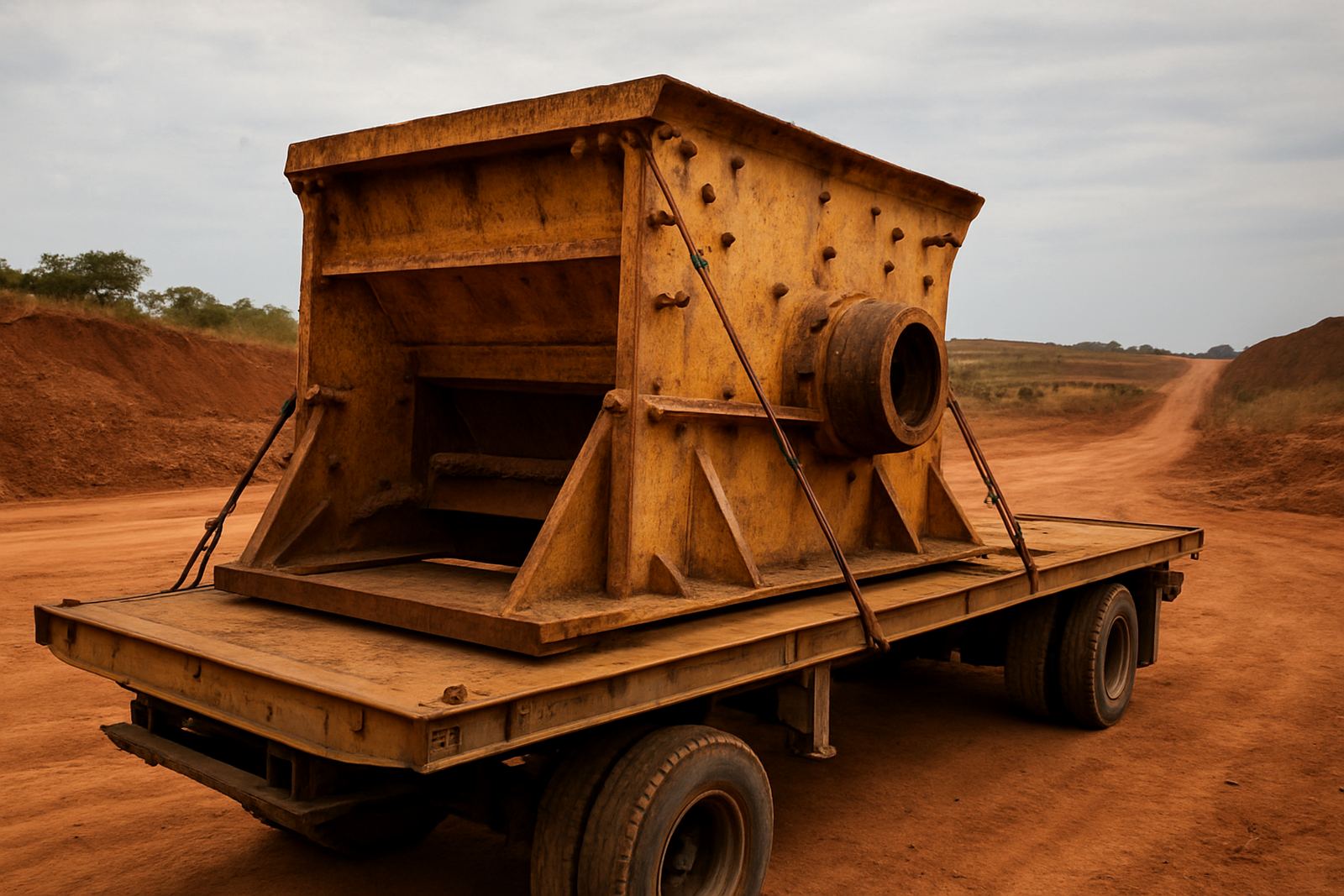
The delivery run into Kuruman was timed to suit the shutdown crew, not the transport schedule. On arrival, the part was offloaded with the site team and checked against the agreed measurements and condition notes. The client was able to move straight into their maintenance sequence instead of losing time on verification and rework.
For mining operations in remote areas, delivery timing can be the difference between a clean shutdown and a costly overrun. A part that arrives late can hold up mill work, crushers, conveyors and labour planning. In this case the shaft arrived inside the planned window and was accepted without issue.
- Delivery route: Middelburg to Kuruman
- Use case: planned mine shutdown
- Outcome: part accepted on arrival and released for fitment planning
- Support: collection, transport coordination and handover checks
We handled the full exchange process so the client did not have to chase multiple suppliers. One contact, one inspection record, one delivery sequence, and a part that matched the shutdown need.
What the project achieved and what we would repeat
The main result was simple: a stored surplus shaft was put back into use where it could support production instead of sitting in a yard. That reduced waste, cut replacement cost pressure, and gave the client a practical route to keep the shutdown moving. It also showed how exchange stock can still play a useful part in mining when inspection and logistics are handled properly.
We would do the same again on a similar job, especially where the client needs a specific shaft or heavy crusher component on a deadline. The process that worked here was straightforward: confirm the brief, inspect the part, document the condition, pack it safely and deliver it with clear handover notes.
- Saved time by using a ready surplus part
- Reduced cost pressure compared with a new order cycle
- Kept the shutdown programme on track
- Extended the useful life of a heavy crusher component
For quarries, mines and contractors across South Africa, that is often the best outcome. It is practical, it is traceable, and it keeps useful steel in circulation instead of sending everything straight to scrap.
Key facts
| Project | Kuruman main shaft recovery, inspection and delivery |
|---|---|
| Client type | Mining contractor supporting a shutdown |
| Town | Kuruman, Northern Cape |
| Item | Main shaft from surplus crusher spares stock |
| Timeline | 2 weeks from enquiry to delivery |
| Condition outcome | Serviceable used part with minor surface wear |