
Pietermaritzburg Rotor Exchange Brief
The client was a recycling operation outside Pietermaritzburg handling mixed aggregate and demolition feed, with regular load-shedding interruptions and tight weekly throughput targets. Their existing rotor had reached the point where repair would take too long and the machine had already been standing for several days, which was affecting stockpiles, truck scheduling, and downstream crushing output.
The brief was simple: find a suitable impact rotor that could be exchanged against their surplus item, confirm it was fit for service, and get it to KwaZulu-Natal without adding avoidable handling or damage. The plant team also needed clear condition notes because their site rules require traceable parts movement for maintenance sign-off and scrap control.
- Client type: recycling and crushing operation
- Town: Pietermaritzburg, KwaZulu-Natal
- Objective: exchange surplus rotor for a serviceable unit
- Main pressure point: minimise downtime and transport risk
What We Checked Before Any Exchange
Impact rotors are not something to guess on. Sibusiso Ndlovu handled the inspection process in Middelburg and compared the replacement against the client’s worn rotor for size, wear pattern, seat condition and obvious fatigue points. We checked the main dimensions, shaft bore area, feed faces, hammer locations and general balance condition before approving the item for exchange.
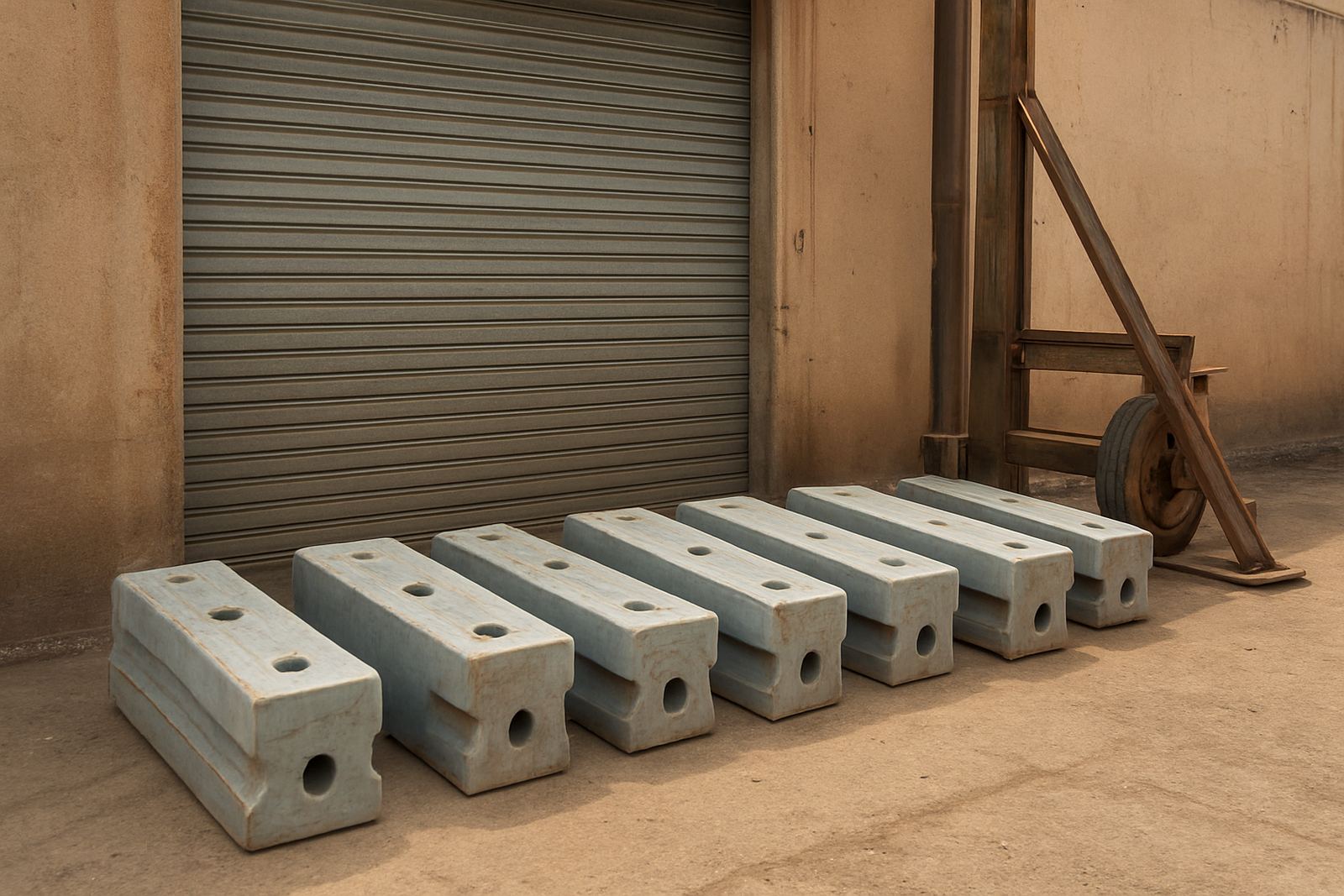
The rotor was originally recovered from a retired plant and stored in our yard under controlled stacking so it did not sit in mud, rain or direct dust contamination. In the Mpumalanga winter the air is dry, but we still keep parts off the ground and wrapped where needed because surface corrosion can creep in quickly once a component has been handled a few times. That sort of detail matters when a plant wants to install and go, not stop again in two days.
- Inspection scope: visual, dimensional and condition reporting
- Storage: off-ground yard storage in Middelburg
- Handling: palletised and packed for long-distance delivery
- Risk check: wear, cracks, seating surfaces and transport damage
The Rotor Supplied And Key Facts
The item supplied was an impact rotor suitable for a secondary crushing application, with a heavy-duty welded body, hammer mounting points, and a usable shaft assembly that matched the customer’s machine family. The spare had already been through a basic cleaning and preparation cycle, so the receiving team could inspect the critical faces quickly on arrival. We also confirmed the likely fitment envelope before release, which cut out guesswork at the plant gate.
Because this was an exchange, the commercial side needed to balance condition and scrap value carefully. Anika van Zyl handled the value discussion so the client could trade from a non-working asset into a unit that could put the machine back into production. The process was straightforward, but not rushed. On larger rotors you do not want a quick yes if the weights, seat widths or wear profile are not right, because then the whole job becomes a costly extra move.
- Part type: impact rotor
- Application: recycling and aggregate crushing
- Condition: serviceable surplus unit, inspected before release
- Preparation: cleaned, marked and packed for dispatch
Collection, Packing And The Trip To KwaZulu-Natal
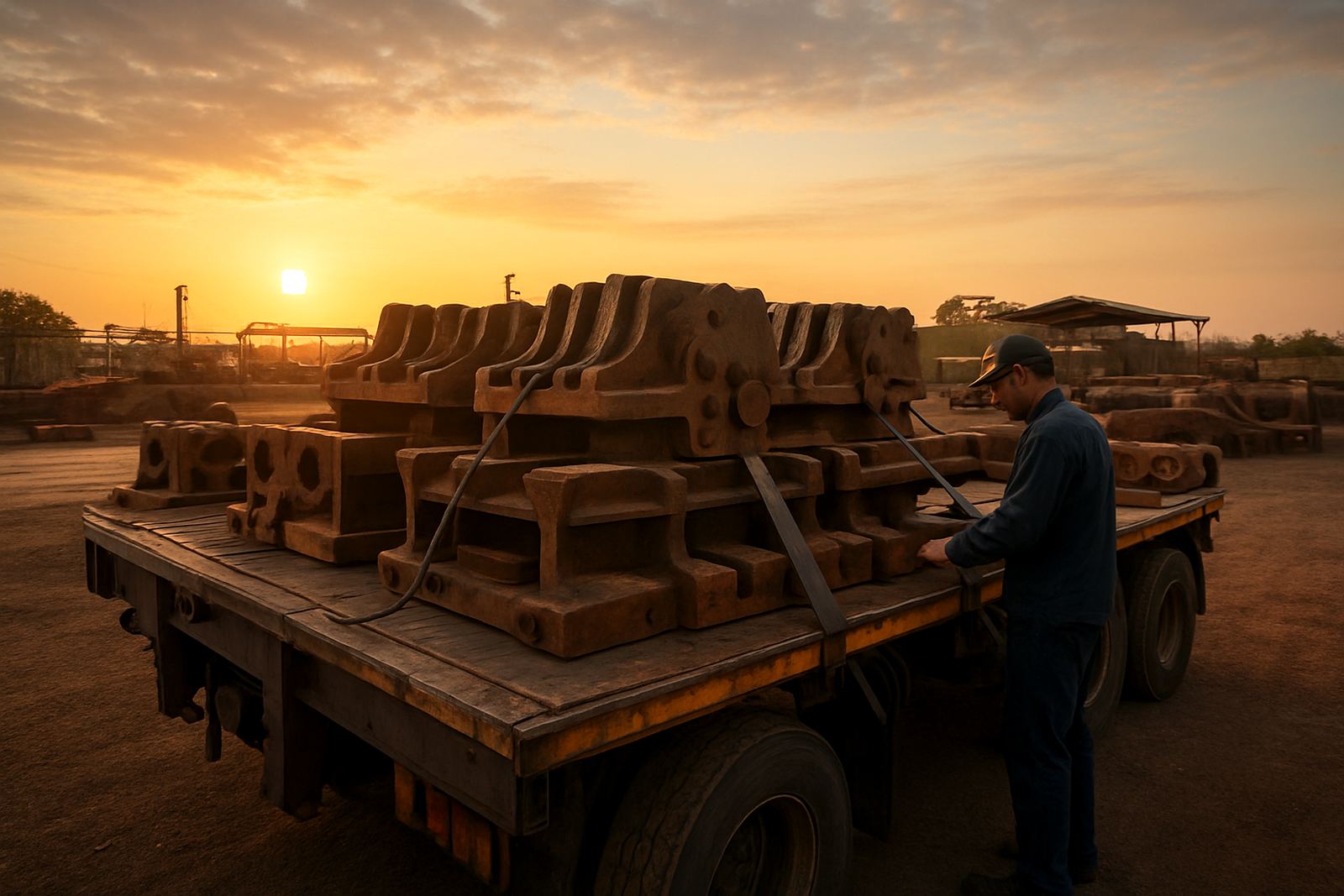
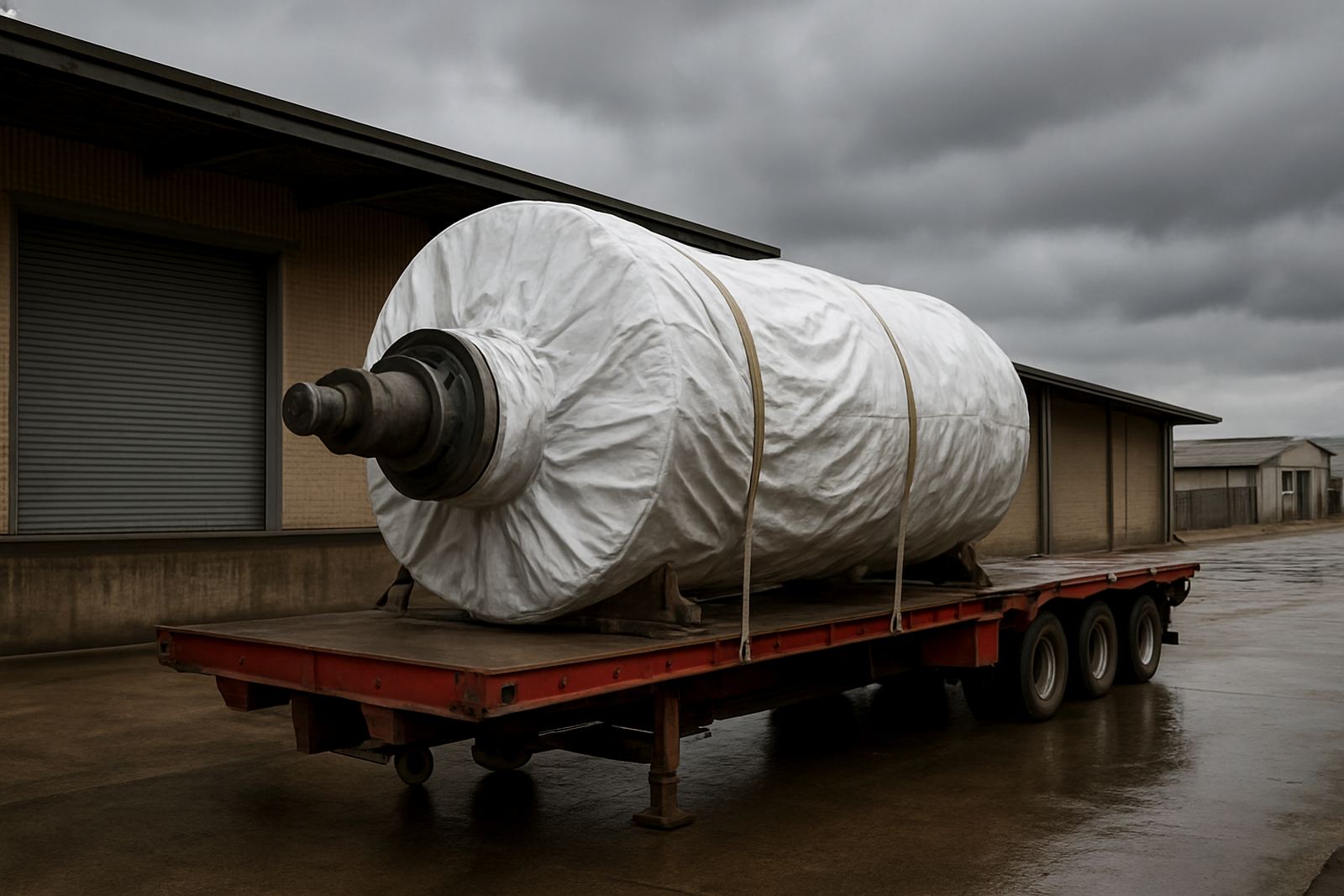
From there Mpho Rakoma arranged the collection and delivery sequence. The rotor was moved from storage to loading with the right lifting gear, then secured for the road using packing that reduced movement and protected the machined contact areas. For a long haul to Pietermaritzburg, that matters just as much as the part itself, especially when there are stops, roadworks or uneven access at the destination.
The team worked to a 2 week cycle from first enquiry to delivery, with the exchange agreed early enough to avoid the plant having to source an emergency temporary solution. That timing included inspection, yard handling, final sign-off, and transport planning. The route was scheduled around weather and road conditions, and the client was kept updated through Nokuthula Dlamini so their maintenance crew could prepare the receiving bay and lifting equipment.
- Timeline: 2 weeks from request to delivery
- Transport: palletised road delivery from Middelburg to Pietermaritzburg
- Support: client updates during packing and movement
- Receiving prep: lifting gear and fitment bay arranged on site
What The Pietermaritzburg Team Got Back
The main result was reduced downtime. Once the rotor arrived and was checked against the machine, the client could move forward with fitment planning and return the crusher to service instead of waiting on a full repair path. For a recycling operation, that meant less stock backing up on the yard and fewer delays on the incoming material queue. It also reduced the pressure to keep paying for short term workarounds.
There was also a useful sustainability gain. A large component that could have been scrapped outright stayed in circulation, and the client’s surplus item was assessed for scrap versus exchange value rather than being sent away without review. That kind of decision can save money, but it also keeps usable steel working inside the quarry and recycling network instead of being wasted.
- Benefit: faster return to production
- Benefit: lower spend than sourcing new from scratch
- Benefit: less waste through exchange instead of scrap-only disposal
- Benefit: clear condition trail for maintenance records
What We Would Do Again On A Similar Job
We would follow the same method again for a similar rotor exchange in Pietermaritzburg or any other town on the route into KZN. Start with a tight inspection, confirm the machine match before transport, and keep the client informed while the part is moving. That is the safest way to handle a heavy component that has to arrive ready for a plant shutdown window.
We would also keep the same approach to storage and release. Johan Steenkamp maintains the yard flow so parts do not get mixed or handled more than needed, which helps preserve condition and reduces confusion on the day of dispatch. When a site is planning around power cuts, rain, or a scheduled shutdown, the last thing needed is a part with no paperwork and no clear fitment history.
- Keep inspection before exchange, not after
- Confirm fitment details with the plant before loading
- Use proper packing for heavy rotating parts
- Plan transport around shutdown dates and site access
Key facts
| Project | Pietermaritzburg Rotor |
|---|---|
| Client type | KwaZulu-Natal recycling operation |
| Part supplied | Impact rotor |
| Source | Surplus unit from a retired plant |
| Timeline | 2 weeks |
| Route | Middelburg, Mpumalanga to Pietermaritzburg, KwaZulu-Natal |