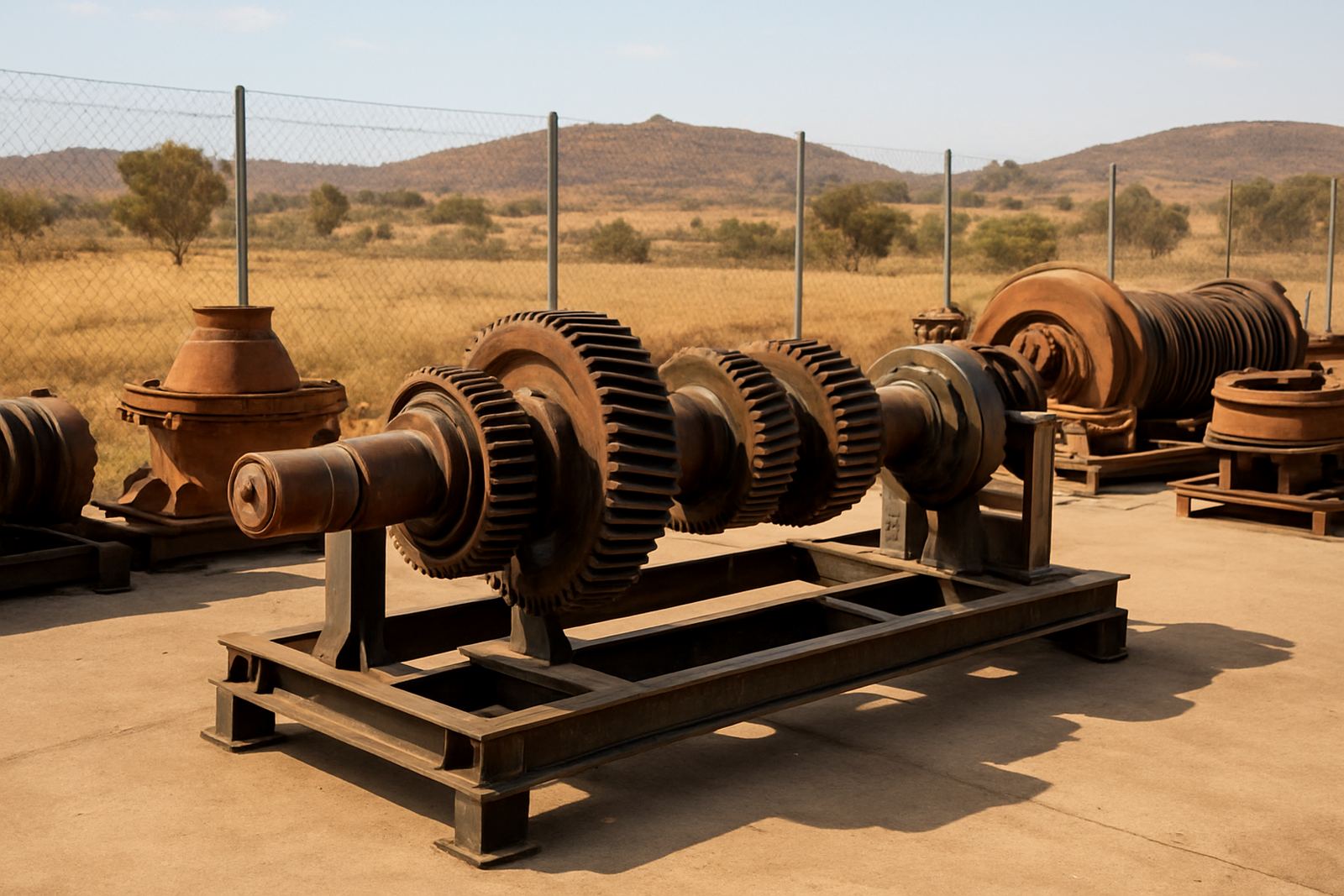

Mokopane rebuild with a tight shutdown window
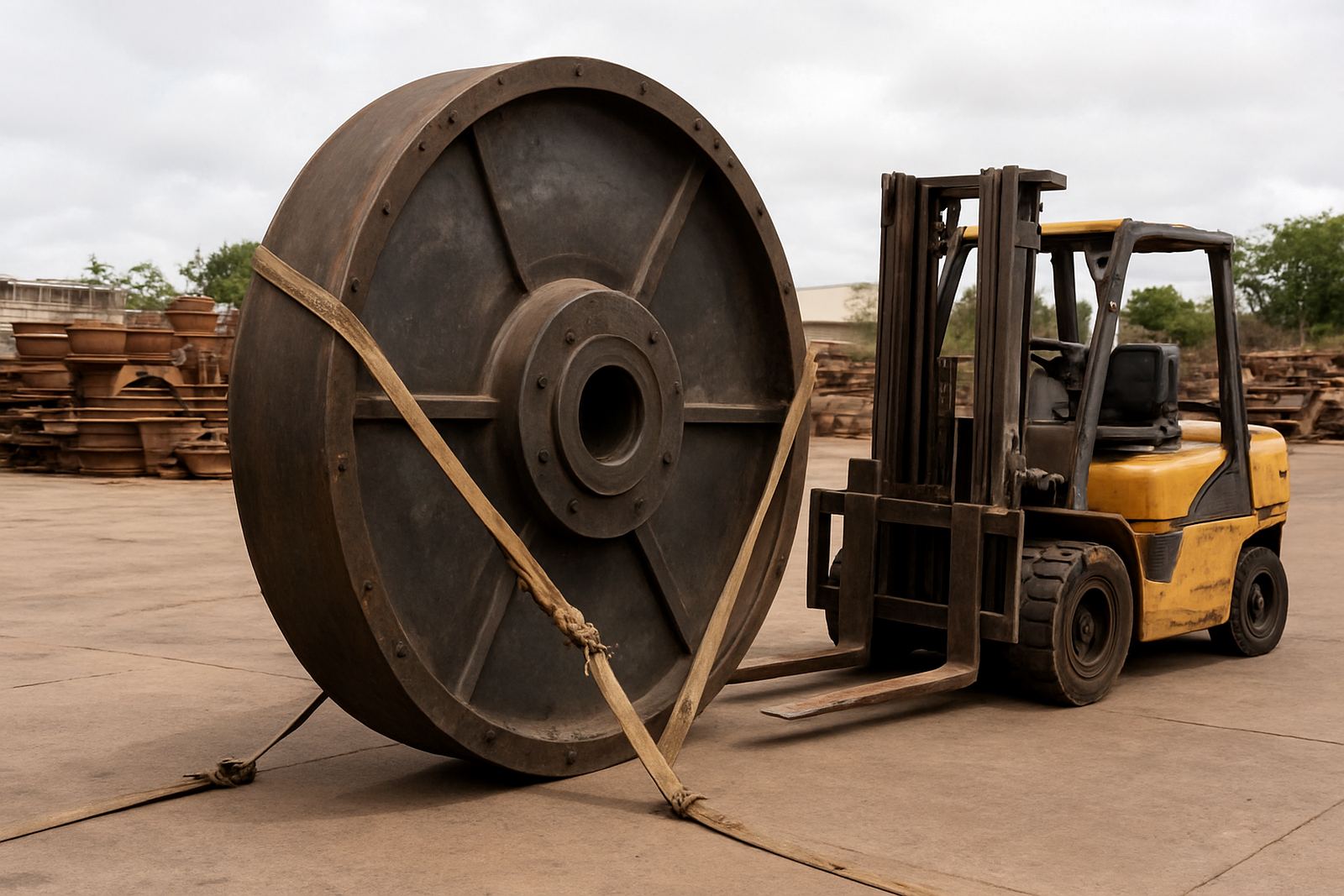
This project came from a quarrying operation near Mokopane in Limpopo that was carrying out a planned rebuild on a crusher drive assembly. The original flywheel had wear on the working faces and the replacement route through new supply was not practical within the available shutdown period. The client needed a sound exchange option, with enough certainty on fitment, condition and timing to avoid extending downtime.
Our brief was to source a usable flywheel from the surplus market, verify the key dimensions and manage the exchange so the rebuild team could proceed without waiting on new manufacture. The site had a fixed maintenance window of two weeks, limited lifting time and no room for trial and error. In this type of job, the question is not only whether a part exists, but whether it can be checked, stored safely and delivered in time for the fitment crew.
- Client type: quarry and crushing operation
- Town: Mokopane, Limpopo
- Shutdown window: 2 weeks
- Supply route: surplus exchange rather than new manufacture
What made the flywheel search difficult
The main constraint was lead time. New supply was quoting well beyond the shutdown period, and the quarry could not leave the crusher idle while waiting for a made-to-order part. The other issue was matching the exact flywheel profile. On these assemblies, bolt pattern, outside diameter, bore size and mass all matter. A near match is not good enough when the unit has to run true and hold alignment under load.
There was also the practical side of the job. The quarry was working around dusty conditions, heavy lifting equipment and normal site safety controls. Flywheel handling is not a casual exercise. The part had to be stripped, checked, moved with proper support and kept out of damage while the exchange was being arranged. On top of that, the client wanted to avoid buying scrap that still looked usable but would fail once put under strain. That is where condition reporting makes a difference, because appearance alone tells you very little.
- Checked for visible cracking, worn keyways and impact damage
- Verified dimensions against the rebuild requirement
- Separated exchange value from scrap value before release
We also had to keep in mind that shutdown work often runs into load-shedding, transport delays and late changes from the maintenance team. So the plan had to be simple, documented and quick to action.
Inspection, measurement and exchange decision
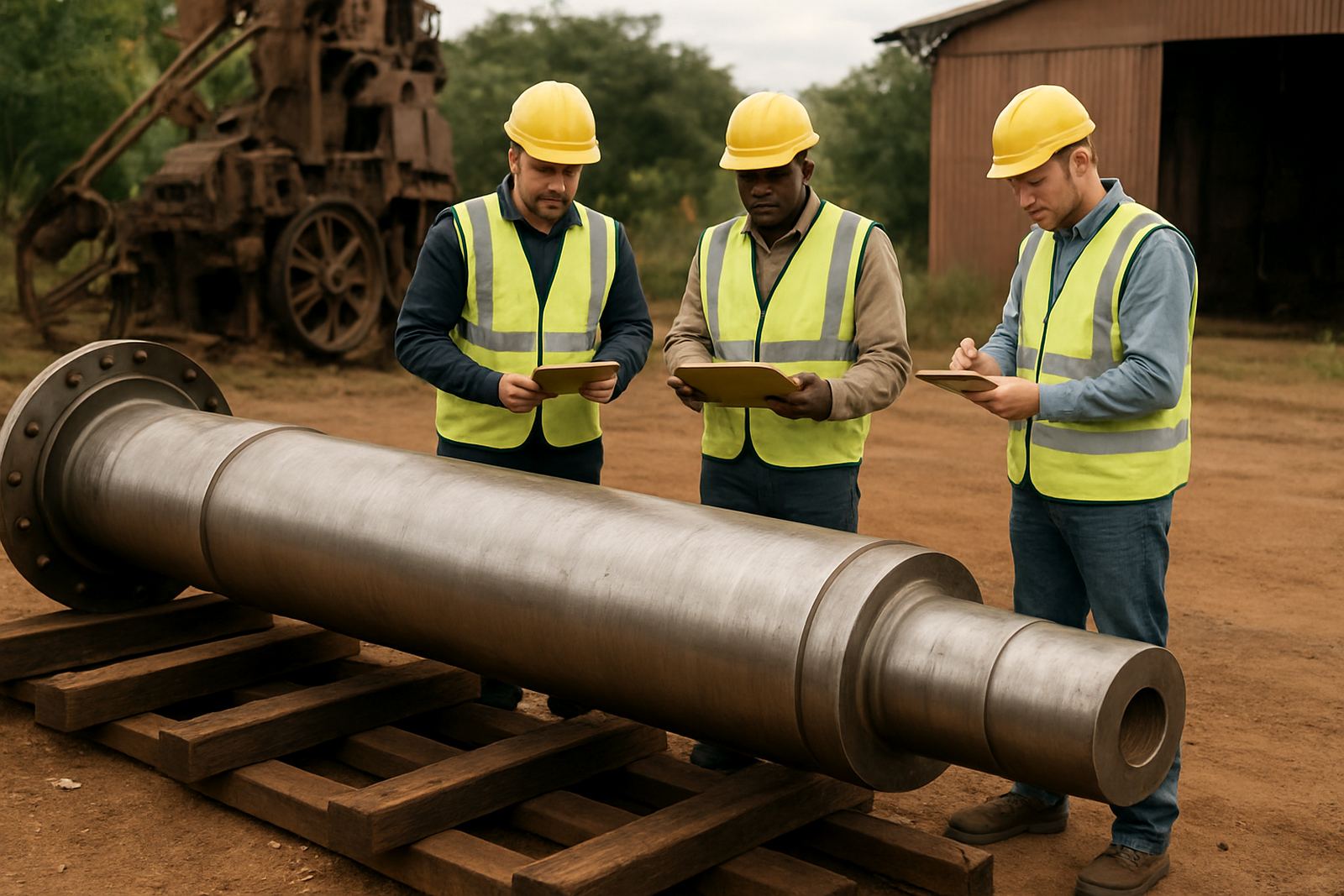
Once a suitable surplus flywheel was identified through our network, it went through our inspection process at the Middelburg base before release. Sibusiso Ndlovu handled the inspection sequence and checked the visible wear points, general condition and the fitment features that matter on a crusher rebuild. Where required, we arranged condition photos and measurement confirmation so the client could sign off the part with less risk.
The flywheel was assessed against the practical points the rebuild team needed:
- Outside diameter and overall profile
- Bore condition and keyway integrity
- Face wear and surface scoring
- Runout risk from prior service use
- Handling weight for lifting and positioning
After the inspection we confirmed the part as a fit-for-purpose exchange unit rather than scrap. That mattered to the client because it kept the cost down while still giving them a proper component for rebuild work. The exchange route also helped the seller of the surplus item move stock that was taking up space, which is often the case with heavy crusher spares sitting in a yard for months.
Storing and moving a heavy part without damage
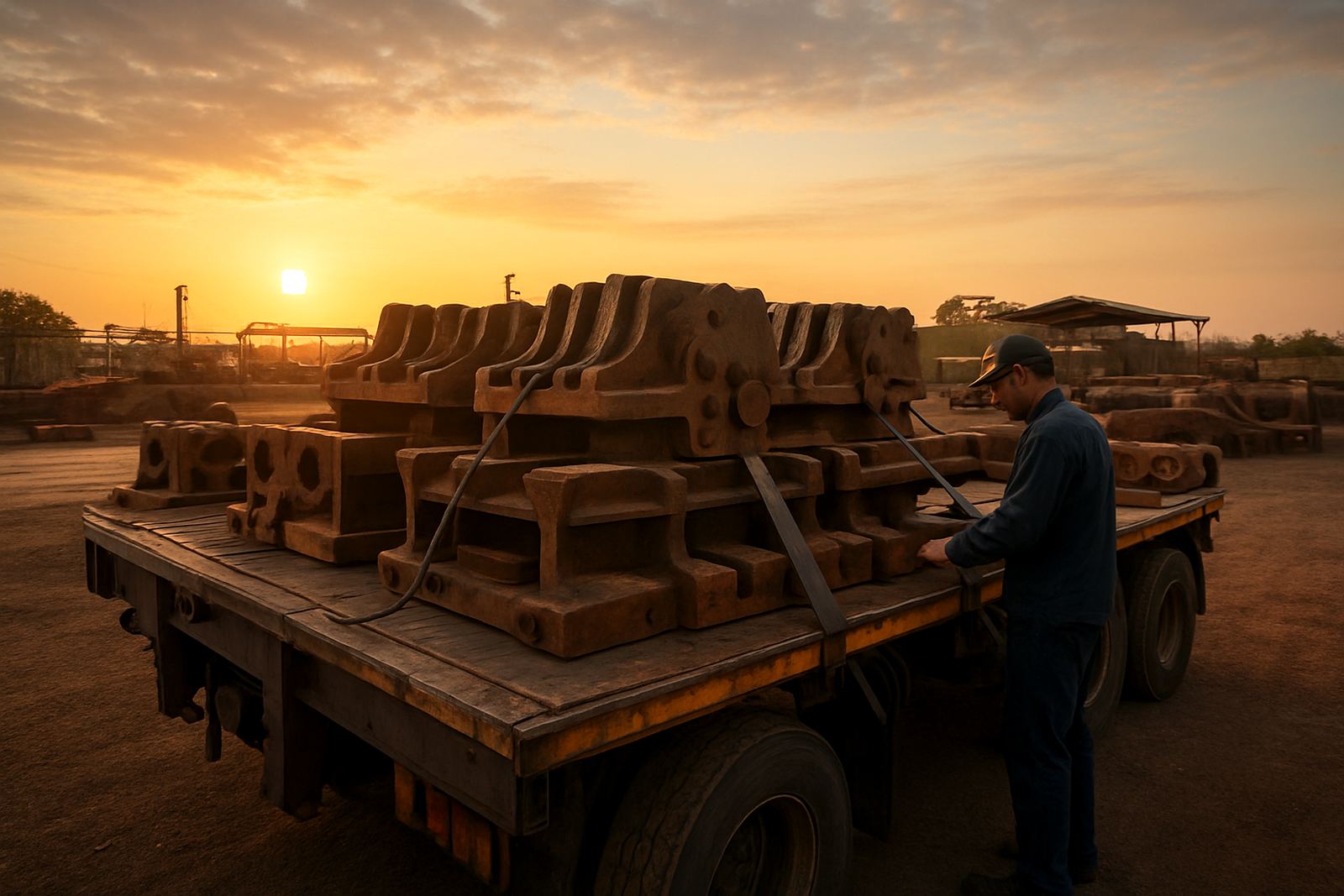
The flywheel was held in our yard storage area until collection was ready, then prepared for transport with palletising and packing controls suited to heavy steel components. Johan Steenkamp supervised the storage handover and Mpho Rakoma arranged the transport sequence. With parts like this, the trick is not just delivery, but keeping the unit safe from edge damage, moisture and unnecessary knocks while it is in transit.
Because the client was in Limpopo and the part had to be brought through on schedule, we used a direct delivery plan rather than letting it sit in a chain of transfers. That reduced handling and kept the exchange more predictable. The team also had to consider the usual South African realities: rough access roads, rain at the wrong time, and the risk of delays when a truck is held up on route. By planning the route early, we avoided those problems rather than reacting to them later.
- Secure storage before dispatch
- Protected loading for a heavy cast component
- Direct movement to reduce handling damage
- Delivery timing aligned with shutdown labour
Two week turnaround from source to handover
The full exchange process ran over two weeks, which fitted the shutdown window. Week one covered sourcing, inspection and approval. Week two covered storage, packing and delivery to site. That timeline meant the client could plan labour, lifting gear and rebuild sequencing without leaving fitters waiting on parts. For a quarry operation, that can be the difference between a controlled shutdown and a costly extension.
We did not try to overcomplicate the job. The rebuild team needed a verified flywheel and a clear handover, so we kept the communication practical and direct. Anika van Zyl handled the exchange side with the client, while Nokuthula Dlamini kept the update chain clear so everybody knew when the part had passed inspection and when it was leaving the yard. The result was a clean transfer with no last-minute confusion.
Results on this project:
- New supply delay avoided
- Shutdown work stayed within the planned window
- Surplus stock was reused instead of scrapped
- Client reduced spend on a hard-to-source part
What we would do again on a similar job
For a similar crusher rebuild, we would follow the same sequence again: identify the exchange requirement early, measure the critical features before committing, and hold the part securely until the site is ready for delivery. That approach works well when the client is trying to keep a plant moving and the market for new parts is too slow or too expensive.
We would also recommend a pre-shutdown spares review for quarry and mine maintenance teams. If a flywheel, shaft, jaw component or housing is approaching the end of its usable life, it is better to start the search before the machine is opened up. That gives more room to compare surplus options, test fitment requirements and avoid panic buying. It also helps when you are working across regions like eMalahleni, Rustenburg, Polokwane or Pietermaritzburg, where transport timing can affect the whole maintenance plan.
- Start the search before the shutdown starts
- Share dimensions and photos early
- Separate scrap decisions from exchange decisions
- Keep the receiving team ready for delivery and fitment checks
Key facts
| Project | Mokopane Flywheel |
|---|---|
| Town | Mokopane, Limpopo |
| Client type | Quarry and crushing operation |
| Timeline | 2 weeks from source to handover |
| Supply method | Surplus flywheel exchange |
| Key checks | Dimensions, wear, bore and fitment condition |