Lydenburg Chute Liners
Home / Projects / Lydenburg Chute Liners

Projects

Lydenburg Chute Liners

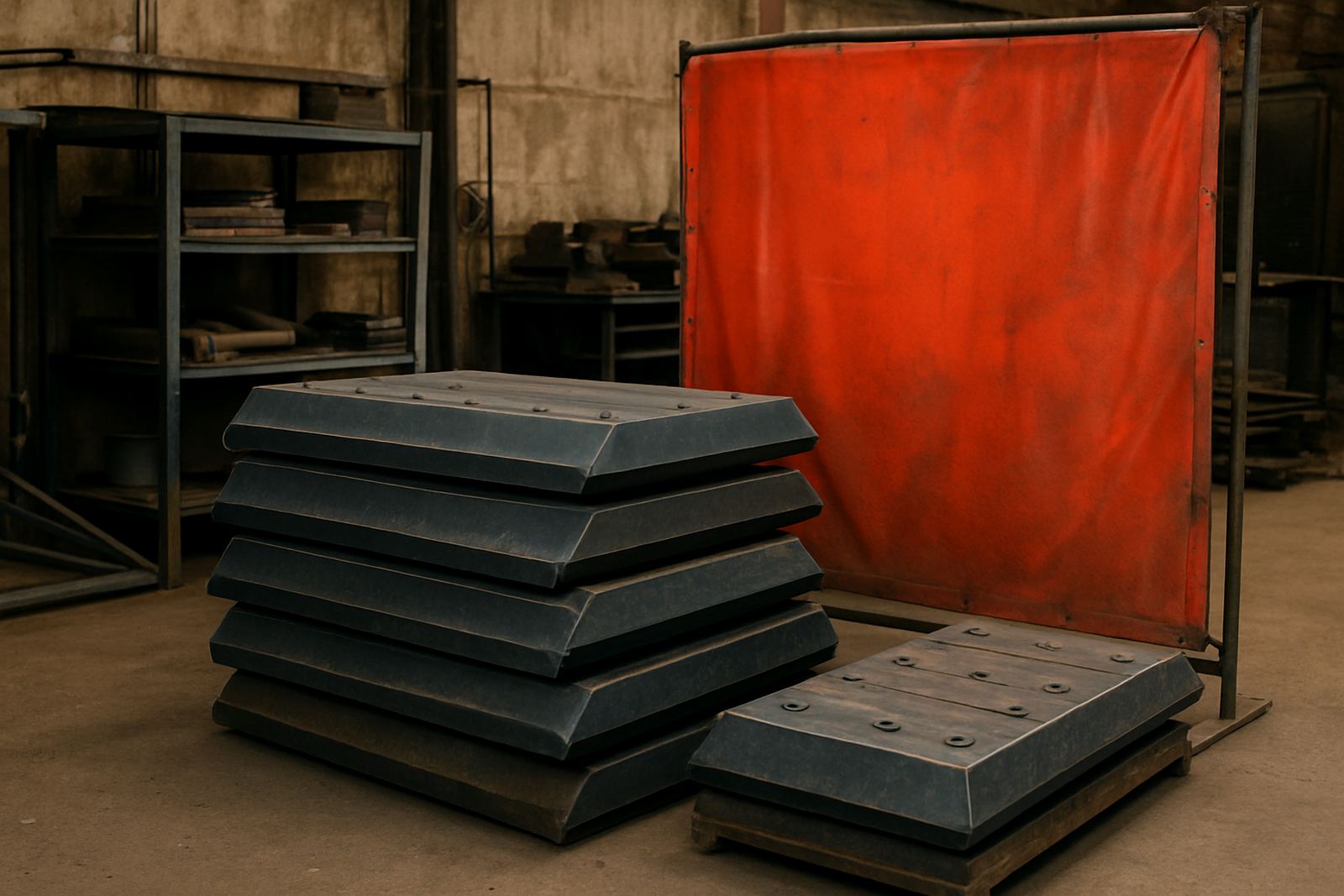
For a chrome crushing site near Lydenburg, we sourced refurbished chute liners that matched the wear profile and bolt pattern needed for a quick change-out. The result was less downtime, better value, and a longer interval between maintenance stops.

What the Lydenburg site needed from the start

The client was a chrome crushing operation outside Lydenburg that needed chute liners for a transfer point handling coarse, abrasive material. Their existing liners were wearing through quicker than planned, which meant more shutdown time, more labour and extra cost on each maintenance cycle. They wanted a practical exchange option, not a long lead-time purchase of new parts.

Our brief was to find liners that could go back into service with confidence. The site needed parts that were suitable for continuous duty, easy to fit during a planned stop, and good enough to stretch the maintenance window without compromising safety. The team also wanted clear condition notes before anything left the yard, because the shutdown slot was tight and there was no room for trial and error.

Key points from the brief were straightforward:

  • Match the liner dimensions and fixing points to the existing chute
  • Keep the spend below the cost of new replacement parts
  • Supply only parts that had been inspected and recorded
  • Arrange delivery to suit the shutdown programme

Inspection and condition reporting before the exchange

We started with a yard inspection in Middelburg and compared the available chute liners against the client’s drawing, wear pattern and bolt layout. The liners had been removed from a similar crushing application, so the steel thickness and profile were still suitable for a second working life after refurbishment. Sibusiso Ndlovu handled the condition reporting, checking for edge cracking, distortion, excessive pitting and any damage around the fixing holes.

The usable liners were cleaned, measured and marked for traceability. We recorded the key measurements so the client could confirm fit before collection. That matters on transfer chutes, because even a small mismatch can cause spillage, accelerated wear or a fitting delay during a shutdown. We also checked the underside for thinning where the material flow had been most aggressive, since that is usually where the first failure starts.

  • Thickness checked at high-wear zones and fixing points
  • Bolt holes measured for ovality and spacing accuracy
  • Edge condition assessed for cracking and heavy deformation
  • Part identification logged for yard control and dispatch

Refurbishment, packing and yard handling in Middelburg

Once the liners passed inspection, we cleaned off residual build-up and prepared them for dispatch. Because these parts were still heavy and awkward to handle, Johan Steenkamp organised palletising and secure packing in the Middelburg yard so the pieces would not shift in transit. The liners were bundled to prevent edge damage and loaded in a way that allowed quick offloading at site.

We used a practical exchange process rather than a scrap-only approach. That meant the client could move ahead with the replacement while we kept the used liners flowing through the yard for future inspection and possible re-use. It is a sensible option for mines and quarries trying to keep costs down, especially when loadshedding can already disrupt workshop schedules and delay planned maintenance work.

The team also confirmed the storage position of any surplus items returned from site, so the exchange record stayed clear. That helps with stock control and makes the next sourcing round faster if another quarry or mine is looking for the same profile.

Delivery to Lydenburg and fitment support

Mpho Rakoma arranged delivery from Middelburg to the Lydenburg area within the agreed maintenance window. The transport schedule had to work around the site’s shutdown sequence and the local road conditions, because heavy parts are best handled early in the day before traffic and weather complicate offloading. On arrival, the client’s team carried out their own fitment checks with our measurements on hand.

We did not need to force a compromise on fit. The liners aligned with the chute structure and fixing layout, which saved time during installation. Anika van Zyl handled the exchange side of the order, while Nokuthula Dlamini kept the client updated on readiness and dispatch timing through the enquiry process.

  • Delivered to suit a planned shutdown slot
  • Fitment checks carried out against recorded measurements
  • Offloading supported by palletised packing
  • Communication kept clear from inspection to dispatch

Timeline, results and what changed after installation

The full turnaround took two weeks from initial enquiry to delivery, including inspection, confirmation, packing and transport. For a chrome crushing site, that timing was important because the maintenance team needed a solution before the next operating cycle started. The replacement liners went in during the shutdown and the site was able to return to production without waiting on a new manufacturing lead time.

After installation, the client reported a better maintenance interval and less frequent attention at the transfer point. The main benefit was cost control, but the practical gain was just as important: fewer interruptions, less emergency labour and a better handle on spares planning. In this type of plant, a few extra weeks between liner changes can make a real difference to tonnage and labour allocation.

The result was not only a cheaper part, but a usable part with the right condition for the job. That is the kind of exchange outcome we aim for on chute liners, crusher wear items and other high-turnover components.

What we would do again for a similar site

If we handled the same project again, we would follow the same sequence: inspect first, confirm fit second, then release only the liners that meet the site’s duty requirements. For a chrome operation around Lydenburg, that approach is practical because the material is abrasive and the shutdown window is usually short. It also helps when municipal rules, local access roads and weather can affect collection or delivery timing.

We would also keep the exchange record tight from the start. That includes condition notes, dimensions, storage detail and dispatch tracking so the client has a clear paper trail. Lerato Maseko and Thabo Johannes Mokoena kept the project aligned from the operations side, and that coordination is what makes a used-spares exchange work in the real world.

For quarries and mines looking to stretch their maintenance budget, this is exactly the kind of job where refurbished chute liners make sense. The parts do not have to be new to be useful, but they do have to be inspected properly, handled carefully and matched to the job before they leave the yard.

Key facts

Project typeRefurbished chute liners for a chrome crushing site
LocationLydenburg area, Mpumalanga
Timeline2 weeks from enquiry to delivery
Parts suppliedInspected and refurbished chute liners
Condition controlMeasured, cleaned and recorded before dispatch
OutcomeLonger maintenance intervals at lower cost

What our Crusher Spares customers say

Verified Google reviews

Questions we get asked

Were the chute liners new or refurbished?

They were refurbished, inspected and measured before release. That kept the cost down while still giving the site a practical working set for the chute.

How long did the project take?

The full process took two weeks, including inspection, packing and delivery to the Lydenburg area.

Can you source similar spares for other plants?

Yes. We handle surplus listing, inspection, storage and delivery for crusher spares across South Africa, including shutdown sourcing and urgent spares search.

Planning something? Send the team a message.

Contact form