Why the Polokwane plant needed a fast feeder pan replacement
The client was an aggregate producer outside Polokwane handling screened stone for ongoing supply contracts. Their feeder pan had worn unevenly, which started causing poor material feed, spillage at the loading point, and irregular draw into the crusher line. In practical terms, the plant could still run for short periods, but the crew was losing time cleaning up around the feed area and trying to keep production stable. With municipal delivery limits, labour planning and fixed dispatch windows to meet, they could not afford a long shutdown.
The brief was straightforward: source a serviceable feeder pan through the exchange, confirm that it matched the existing installation as closely as possible, and deliver it in time for a short maintenance stop. The plant needed a part that could be fit during a controlled shutdown, not a long engineering exercise. The client also wanted to avoid the cost of buying new if a sound used unit could do the job properly.
What we checked before the exchange
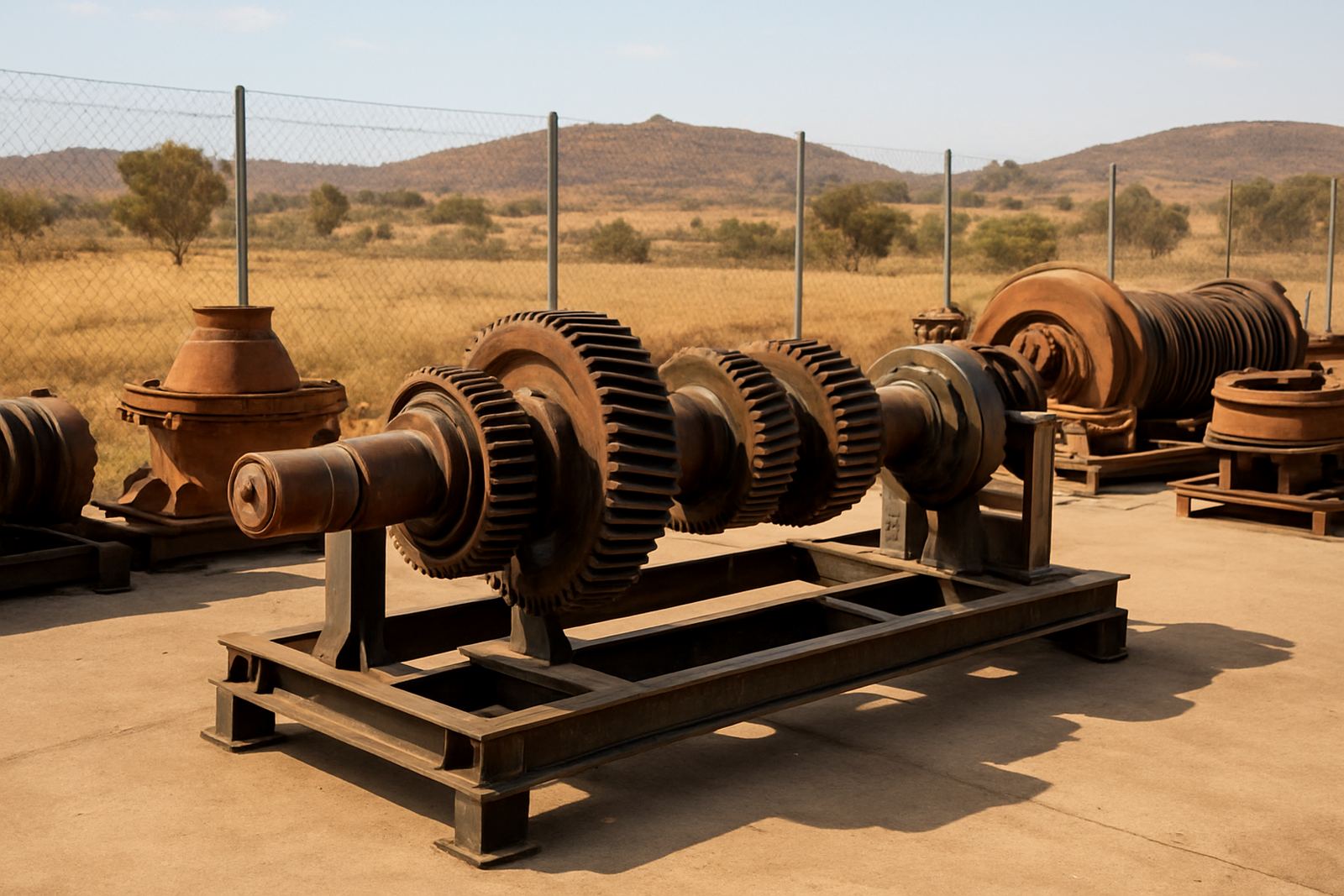
Because feeder pans take a hard beating in dusty conditions, we treated the inspection as a key part of the job. The unit was first listed through our surplus network, then brought to our Middelburg yard for measurement, visual checking and condition reporting. We looked at wear on the pan surface, straightness, fixing points, side edges and any signs of cracking or distortion from previous service. The part had to be suitable for aggregate work, where vibration, material impact and uneven loading can shorten life quickly.
- Overall length and width verified against the client’s existing frame
- Fixing points checked for wear, elongation and cracks
- Surface wear assessed for remaining service life
- Condition report prepared for the client before exchange
- Part marked and stored until dispatch
Coastal humidity was not the issue here, but dust, rain and summer heat still matter on the Highveld. We made sure the part was stored under cover and handled properly so it arrived in the same condition it left the yard.
The feeder pan specs and fit-up details
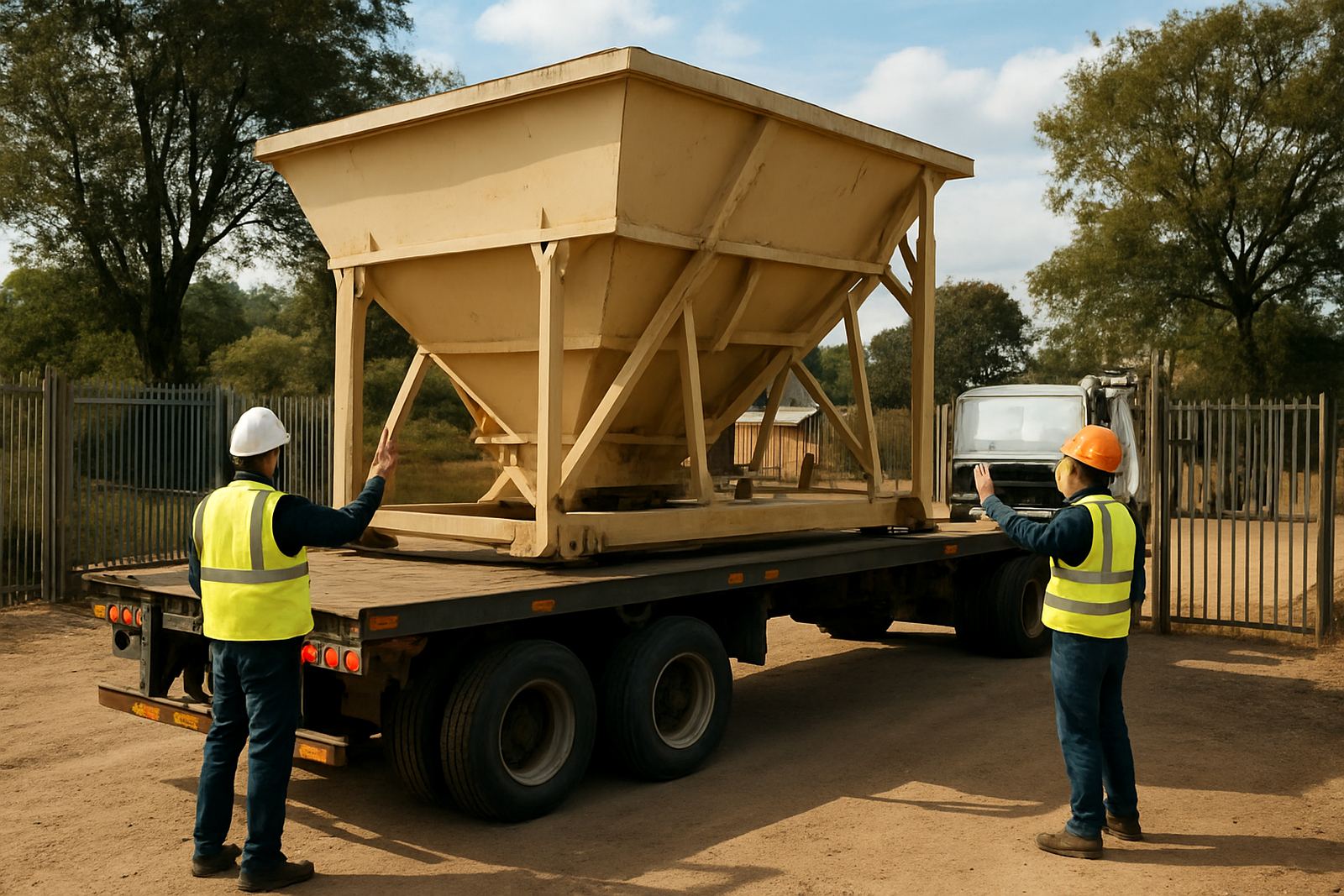
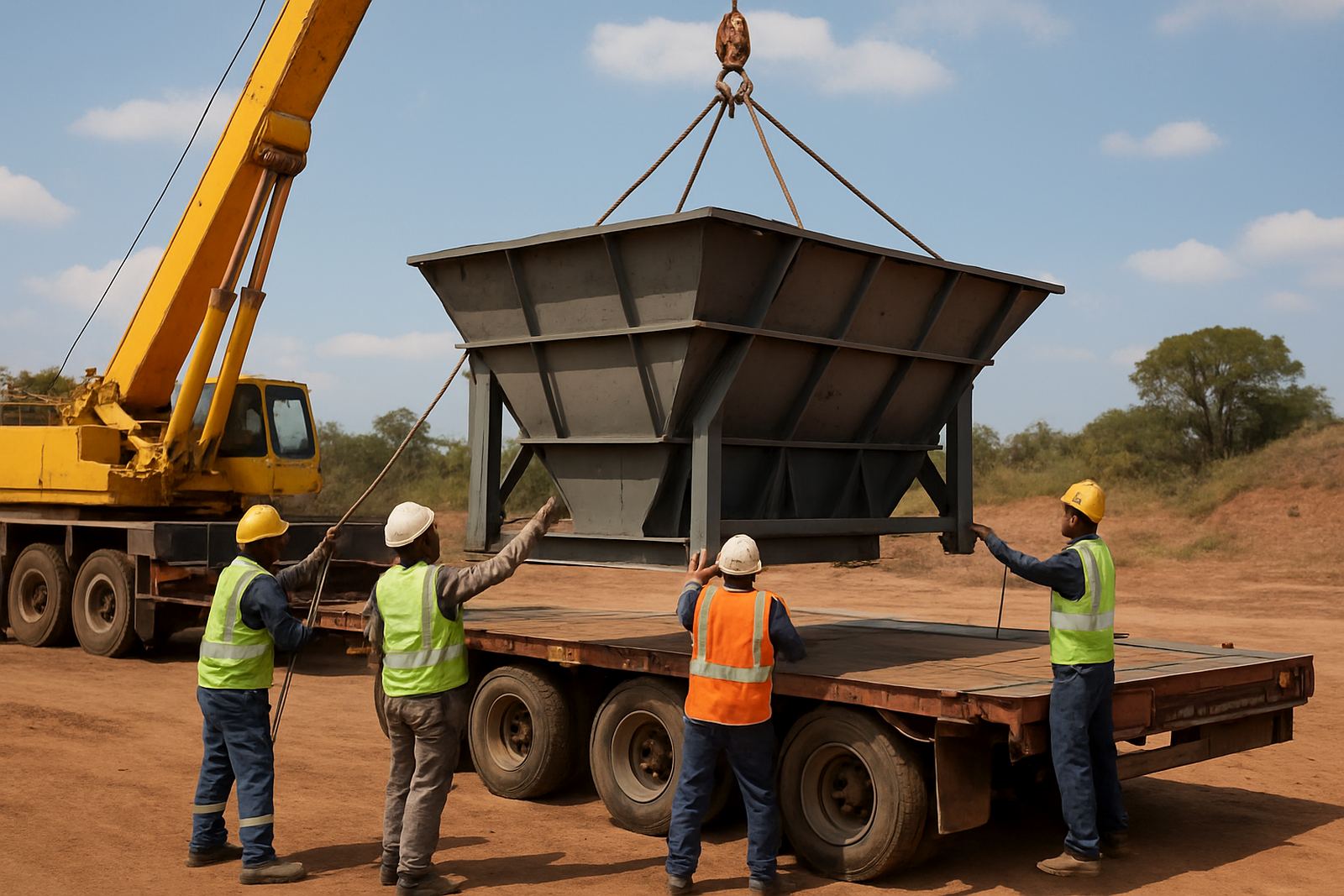
The replacement feeder pan was a heavy-duty steel unit used in a quarry feed application. The key requirement was compatibility with the existing feeder assembly, especially the mounting pattern and working width. The client’s crew had already measured the opening and checked the available shutdown time, so we focused on finding a part that would reduce alteration work on site.
- Type: feeder pan for aggregate plant feed system
- Material: heavy-duty steel construction
- Width: matched to existing feed opening
- Length: matched to original frame layout
- Mounting: compatible fixing pattern for direct fitment checks
- Condition: serviceable used part with verified wear levels
This kind of exchange works best when the measurements are right from the start. A feeder pan that is only a few millimetres out can create extra drilling, poor alignment or a shaky fit. We checked those points before the part left our yard, which saved the client time on site.
How we moved it from Middelburg to Polokwane
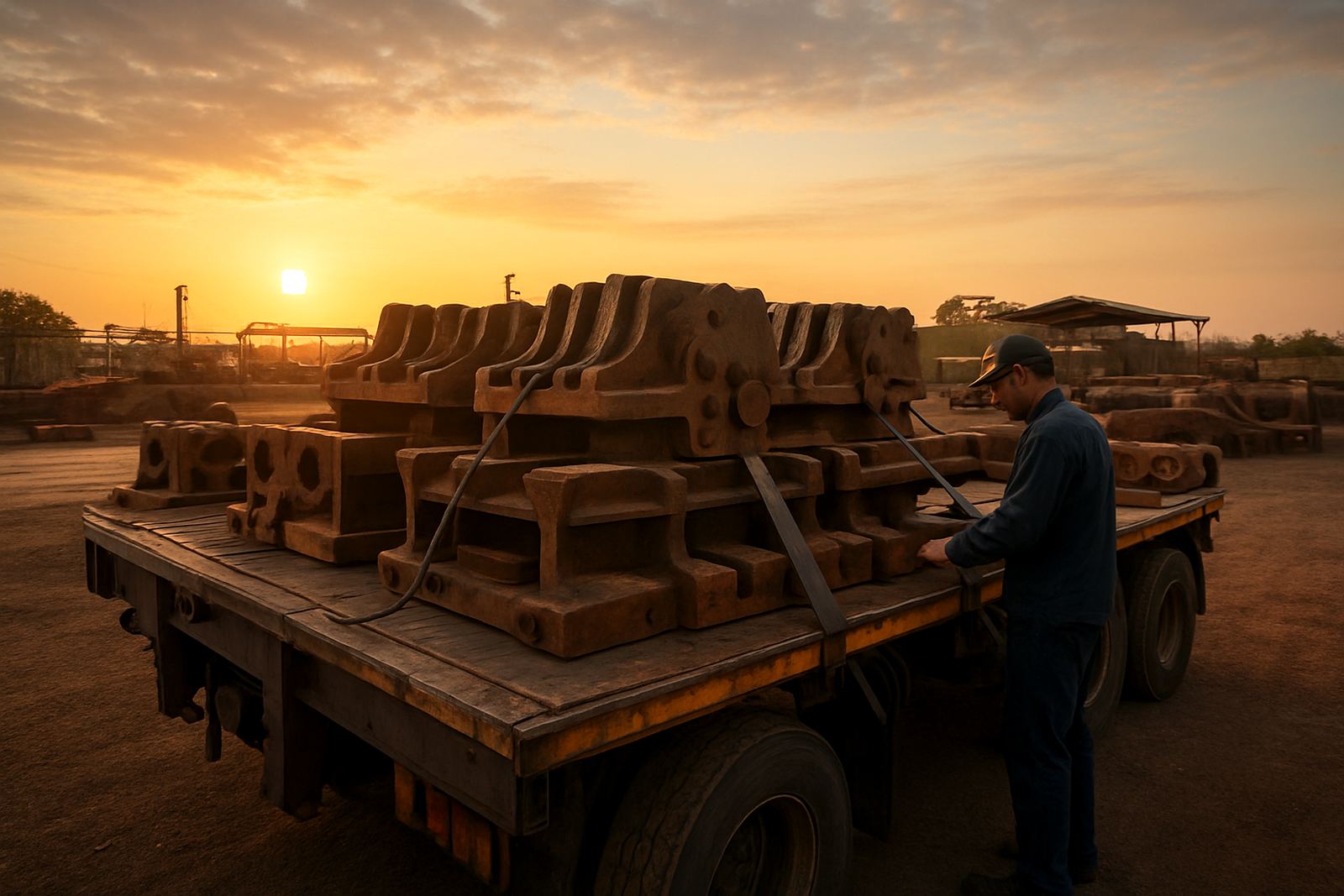
Once the client approved the condition report, the part was palletised and packed for transport. We used our storage and logistics process to keep the unit secure, then arranged delivery to the Polokwane area during the planned shutdown window. The route from Middelburg to Polokwane needs sensible timing because of road conditions, bridge limits and the general pressure of moving large steel components without damage. Mpho Rakoma supervised the logistics side, while Johan Steenkamp handled yard release and packing checks.
From enquiry to delivery, the project ran over two weeks. That included sourcing, inspection, client approval, packing and transport. For a plant that needed to keep moving, the exchange gave them a practical way to bring in a working part without waiting on a full new fabrication cycle.
- Week 1: source match and inspection
- Week 1 to 2: condition report issued and approval received
- Week 2: palletising, dispatch and delivery to site
- Planned fitment during shutdown window
Result at the plant near Polokwane
After fitment, the plant reported steadier feed into the next stage of the circuit and less spillage around the loading point. The crew no longer had to work around a damaged pan, which reduced clean-up time and gave maintenance staff a better chance to stay ahead of wear. More importantly, the short shutdown did what it was meant to do: bring the line back into operation without dragging the stoppage out longer than necessary.
For the client, the main result was saved downtime. The exchanged feeder pan gave them a workable part at a lower cost than a new replacement, and the inspection record gave them confidence before fitment. In quarry work, that combination matters because a cheap part that fails early is not really cheap at all.
What we would do again on a similar job
We would follow the same process again for another plant in Limpopo or beyond. Start with accurate measurements, confirm the wear profile, inspect the available part closely and only then move it into the delivery process. That order keeps risk down and helps avoid lost time on site. If the part had been more damaged, we would have said so and treated it as scrap vs exchange instead of forcing a poor match into service.
This project also showed why our exchange model suits quarries and mines that keep unexpected spares on hand. It turns surplus stock into a working solution instead of letting usable steel sit idle. For operations that run under pressure from load-shedding, rainfall, labour shifts or tight haulage schedules, that can be the difference between a small maintenance stop and a longer production loss.
Key facts
| Project | Polokwane feeder pan exchange |
|---|---|
| Client type | Aggregate plant near Polokwane |
| Part supplied | Used feeder pan, inspected and approved |
| Timeline | 2 weeks from sourcing to delivery |
| Base | Middelburg, Mpumalanga |
| Result | Reduced downtime and restored steady feed |