
Why sandstone quarries swap spares differently
Sandstone is often won from smaller pits and run through compact crushing and screening lines that must keep producing even when power cuts, wet weather or a late blast delay the shift. In these operations, a good spare sitting in a yard in eMalahleni or Rustenburg can save a whole week of lost production at a plant near Secunda or Lydenburg. The goal is not only to buy cheaper parts, but to move usable spares into the right hands before they become dead stock.
That is where a surplus exchange works well. Crusher Spare Exchange lists surplus crusher spares, inspects the condition, stores them safely in Middelburg, and helps match the part to the right quarry or mine. For sandstone producers, this is useful when one site upgrades a screen deck, replaces a feeder, or changes a cone setup and suddenly has parts that another operation can still use. It keeps capital in the business and reduces the pile of steel that should never have sat in the yard for months.
Typical equipment on a sandstone crushing line
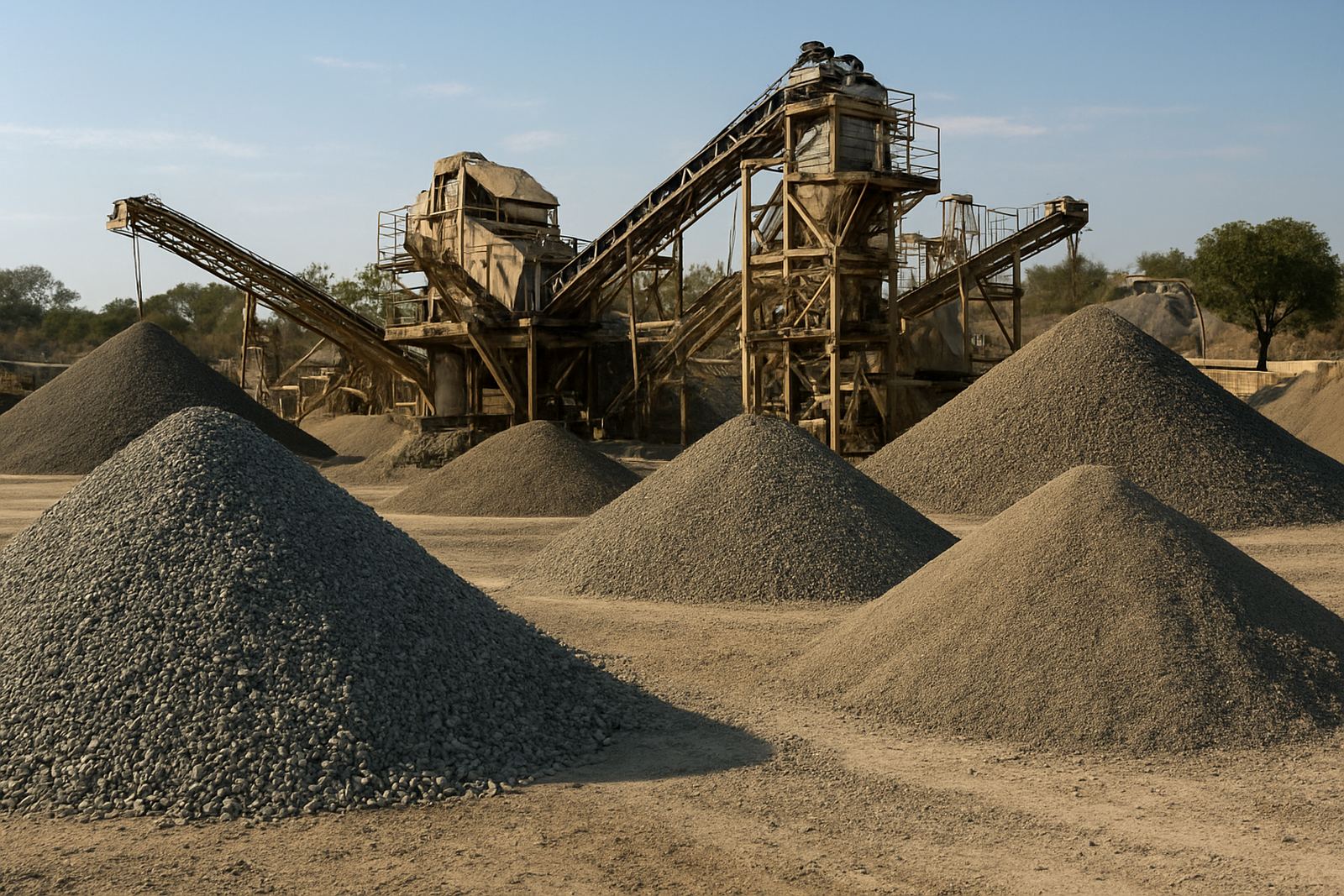
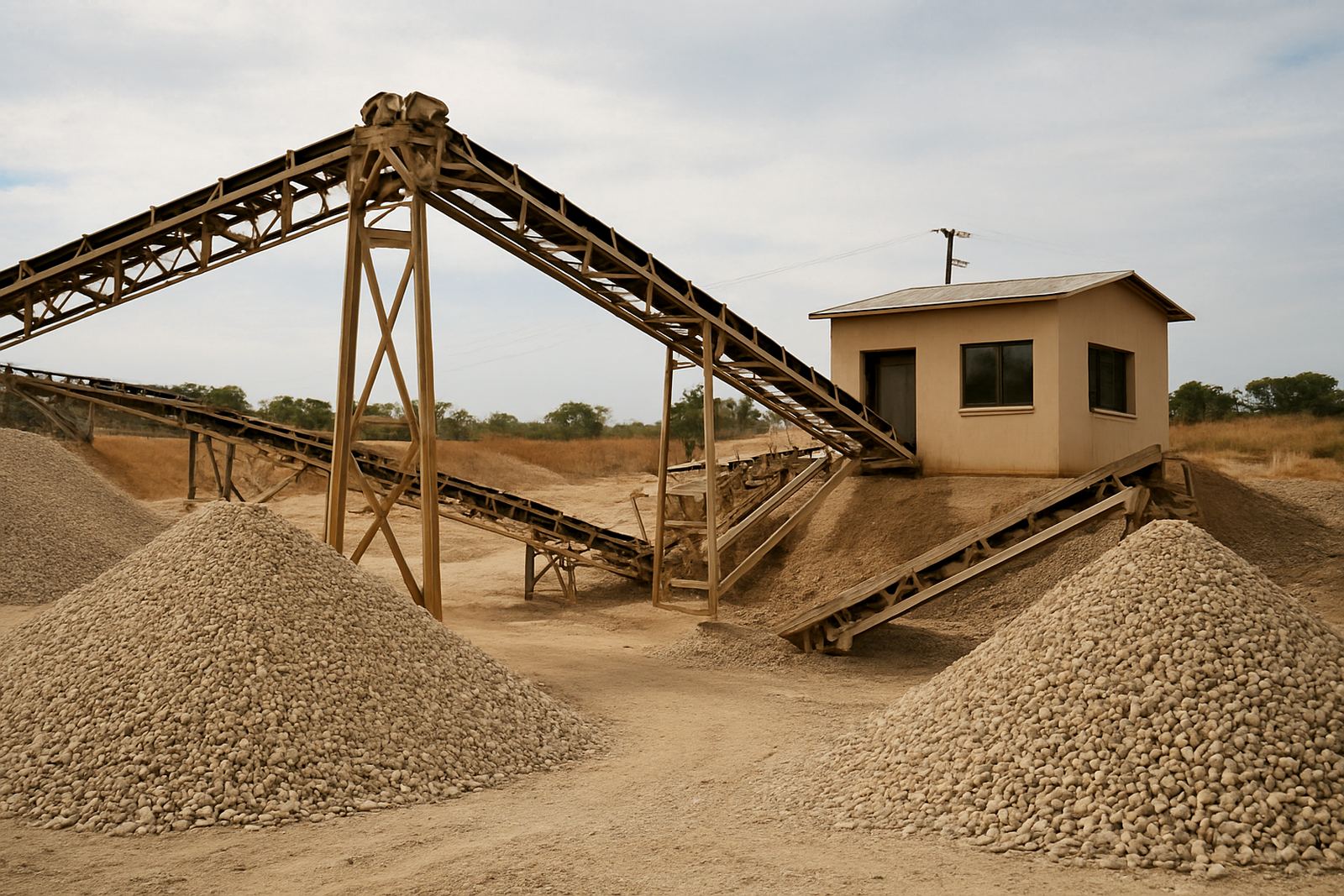
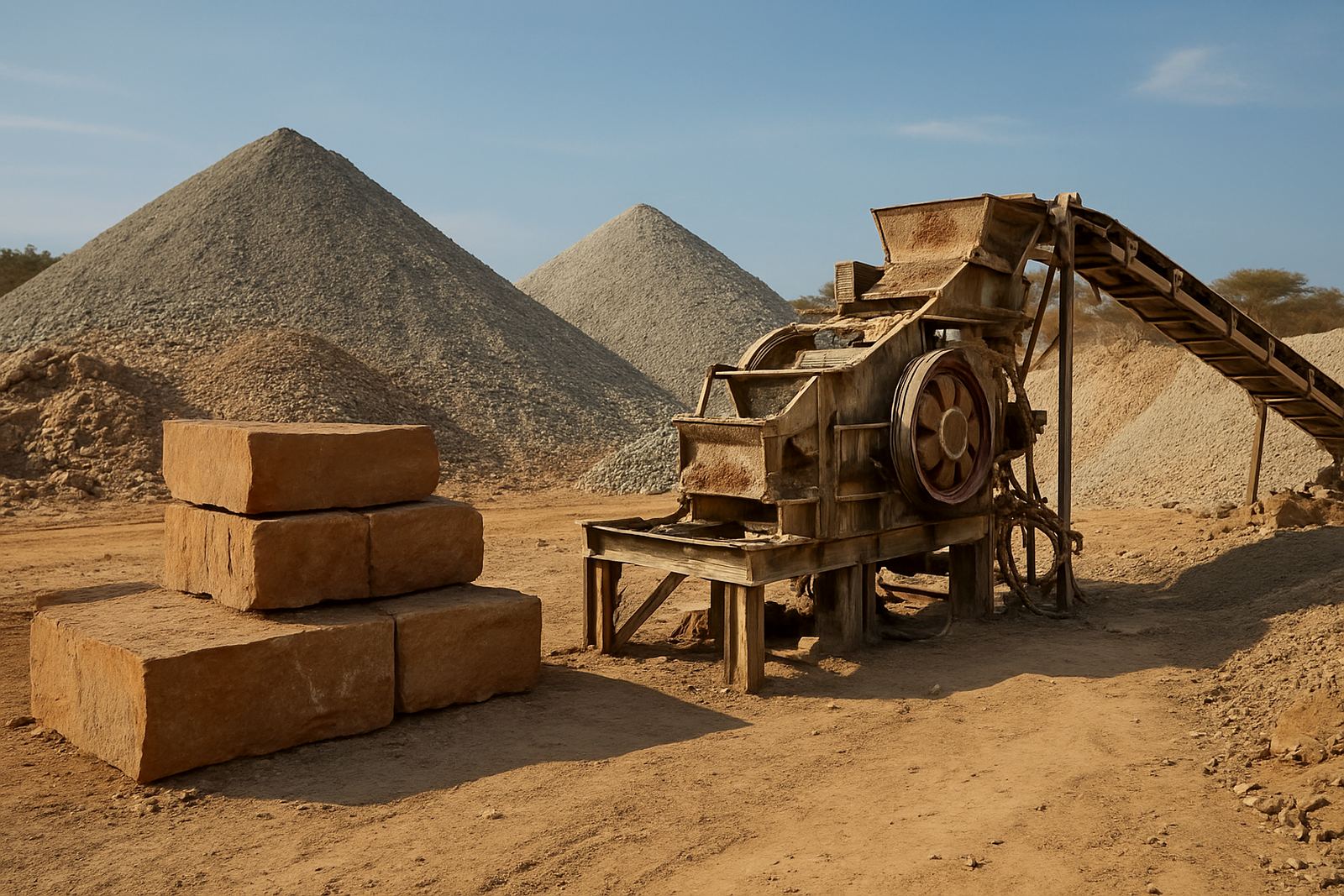
Most sandstone quarries do not run a very large plant, but the equipment still works hard. The common set includes a jaw crusher, sometimes a secondary cone or impact unit, vibrating screens, conveyor systems, feed hoppers, grizzly bars, transfer chutes and a small stack of wear parts that always seem to go missing when the plant is under pressure. There may also be pumps, electric motors, gearboxes, idlers, tensioning assemblies and liners that were pulled during a shutdown and then left aside for later use.
- Jaw crusher cheek plates, toggle parts and bearing housings
- Screen media, side plates and support frames
- Conveyor pulleys, idlers, lagging and belt fasteners
- Wear liners, chute plates, bolts and clamp sets
- Feed hopper grates, springs and mounting hardware
In Mpumalanga and the North West, sandstone sites often face dust, vibration and sudden moisture after rain. That means a part can look sound but still have hidden wear, cracked welds or stretched mounting holes. A proper inspection is worth the time, especially if the spares are moving between towns like Middelburg, Kathu and Pietermaritzburg where the next buyer may need to install it the same week.
How to plan storage, handling and exchange yards
Good spare handling starts with clear yard planning. At our Middelburg base, parts are logged, separated by type and kept ready for collection or delivery. Heavy crusher components need correct lifting points, pallets, timber packing and space for forklifts or cranes. Smaller items should be bagged, tagged and tied to the right machine model or measurement range so nobody wastes time guessing on site. A neat yard also helps when load-shedding cuts the day short, because your team can still find and move what has been prepped before the lights go out.
For sandstone operations, the best approach is to keep exchange stock near the plant and surplus stock in a controlled storage area. If a quarry in Rustenburg is stripping out a spare screen box or a feeder section, it should be inspected, condition reported and packed before transport. That reduces damage in transit and helps with fitment checks on arrival. It is also easier to separate exchange stock from scrap stock when the item is clearly marked, rather than left in a heap behind the workshop where it may get mixed with obsolete steel.
- Mark each item with machine type, size and condition
- Keep shafts, bearings and mating faces protected from rust
- Use pallets and bracing for long items like chutes and frames
- Record whether the part is for exchange, sale or scrap
Common mistakes sandstone quarries make with surplus spares
One common mistake is holding onto parts for too long because “we may need it later”. In practice, later often means another season, and by then the item has rusted, been knocked around or lost its identifying marks. Another mistake is buying a used part without checking the wear pattern against the actual machine layout. A screen component that fits one compact plant may not suit another if the deck angle, drive set-up or mounting points differ by only a few millimetres.
Some sites also forget to separate scrap from exchange stock. That creates confusion during shutdown sourcing and makes it hard to know what is available for urgent spares search. We often see piles of mixed steel where a good feeder part sits next to a bent bracket and nobody can tell what was meant for reuse. Budget pressure then makes things worse, because teams choose the cheapest option without allowing for transport, packing or a fitment check. A part that saves R18 000 but costs another R6 500 to correct on site is not a saving at all. Small spelling notes on tags or poor photos also slow down the whole process, and a wrong measurement can leave a good component unusable, just like that.
Budget ranges for sandstone quarry spares
Budgets for sandstone quarry spare exchange work depend on the size of the plant, how far the part must travel and whether it needs testing or reconditioning. For compact crushing and screening lines, smaller wear items may start from around R2 500 to R12 000, while usable mid-size components such as frames, housings, shafts or conveyor items can range from R15 000 to R85 000. Larger assemblies, especially those needed for shutdowns or urgent replacements, can move into the R100 000 to R250 000 range depending on condition and demand.
Transport and handling should always be included in the planning. A collection from eMalahleni may be straightforward, while a delivery to Kathu or Pietermaritzburg may need more careful scheduling, packing and route planning. If the item must be stored first, allow for yard storage and inspection costs as well. It is usually cheaper to store a part properly for two months than to repair damage caused by bad stacking and damp conditions. Coastal humidity near Pietermaritzburg is not the same as the dry air in the Northern Cape, so packing matters.
How Crusher Spare Exchange supports sandstone operations
Crusher Spare Exchange works from Middelburg, Mpumalanga and supports quarries and mines across South Africa with surplus listing, part inspections, condition reporting, yard storage, palletising and packing, local collections, nationwide delivery, fitment checks, shutdown sourcing and urgent spares search. For sandstone producers, that means one point of contact for a useful part that may already be sitting in the right region, instead of starting from scratch every time a crusher or screen needs attention.
Our team includes Thabo Johannes Mokoena, Lerato Maseko, Sibusiso Ndlovu, Anika van Zyl, Mpho Rakoma, Nokuthula Dlamini and Johan Steenkamp, each focused on a practical step in the exchange process. Whether the part is moving between Middelburg and Secunda, or from Rustenburg to Polokwane, the aim is the same: get serviceable stock into use, keep waste down and help sandstone quarries protect their production budget without carrying unnecessary inventory.