When roadstone output cannot slip
Roadstone plants live on consistency. If the plant is making basecourse, crusher run or stone for surfacing work, any change in feed, wear patterns or chamber condition can affect shape and tonnage. Around Middelburg, eMalahleni, Rustenburg and Kathu, that pressure is even higher during shutdown windows, wet weather and load-shedding days when every hour counts.
Crusher Spare Exchange supports roadstone producers who have good parts sitting in the yard while another site is looking for the same item to keep production going. That includes surplus spares from upgrades, decommissioned plant, and recovered components that still have useful life left after inspection. The aim is simple: reduce waste, save money, and keep material moving.
For roadstone suppliers, the exchange model works well because plant condition changes by season and demand. A quarry might not need a spare jaw stock today, but a plant 300 km away may need it before the next municipal supply run. We help match that movement with practical checks and clear condition reporting.
Typical plant equipment we see in roadstone work
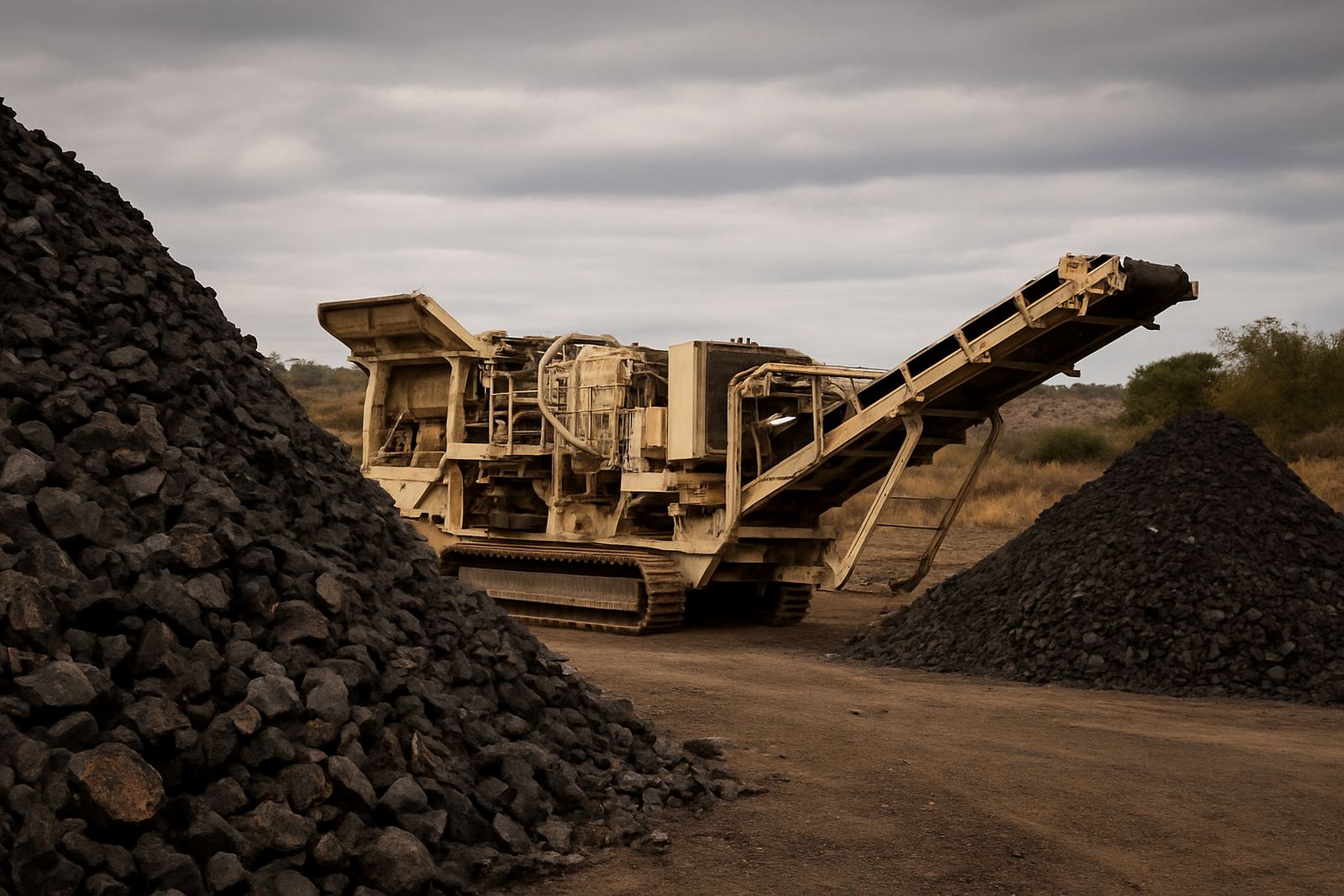
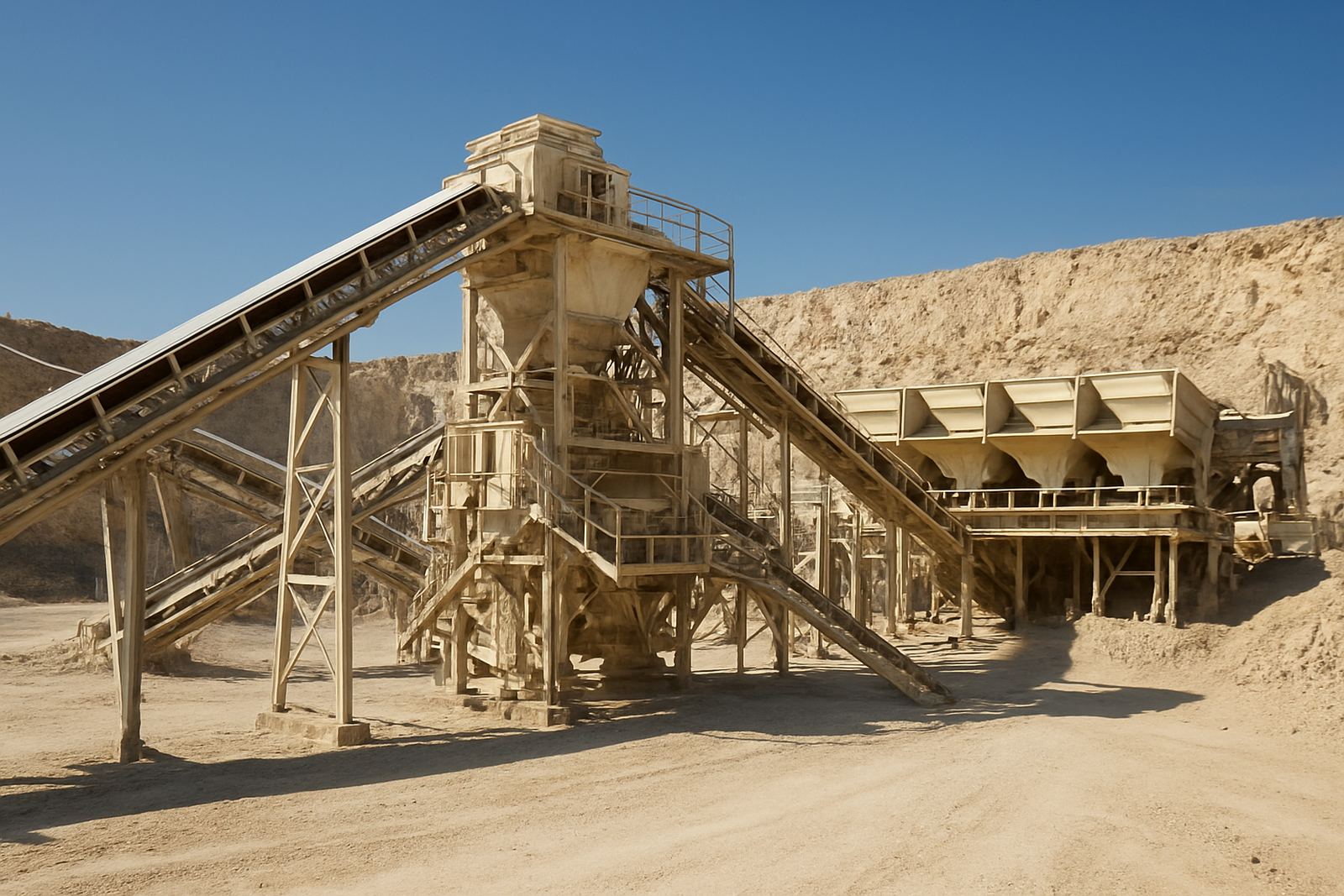
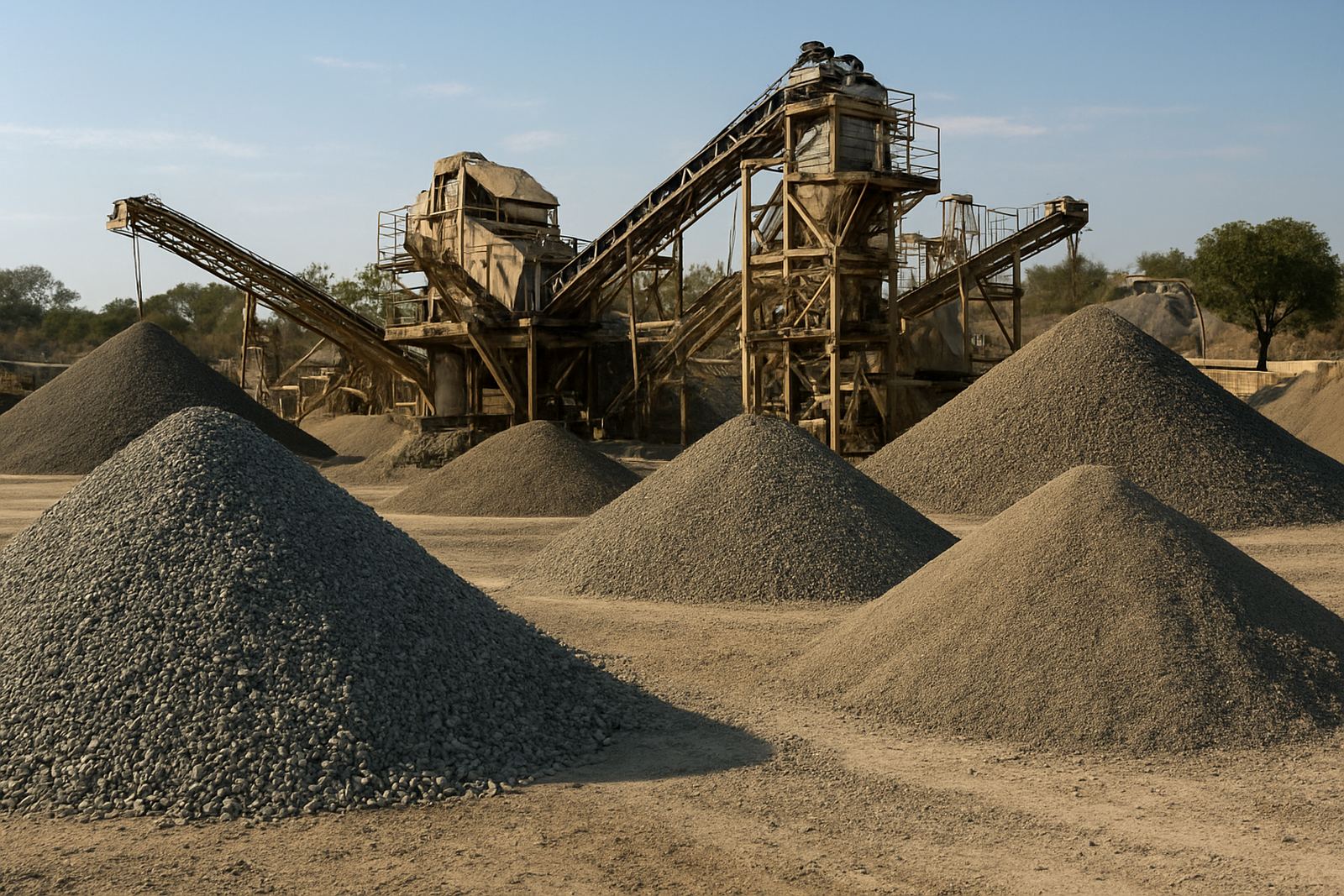
Roadstone producers usually run hard-wearing plant with a mix of primary, secondary and screening equipment. The most common surplus spares we handle are for cone crushers, jaw crushers, impact crushers, screens, feeders, chutes, conveyors and drive components. We also see bins, liners, toggle items, bearings, shafts, belts, idlers and wear plates.
- Crushing chamber wear parts, liners and mantles
- Screen decks, springs, tension items and support pieces
- Feeder pans, grizzly bars and discharge liners
- Conveyor rollers, pulleys, scrapers and transfer chutes
- Structural items, guards and mounting hardware
Where the plant is set up for a tight product spec, the little items matter. A worn screen section or tired chute plate can change the final product mix more than people expect. That is why we encourage roadstone clients to list not only the big ticket parts but also the smaller service items that often get forgotten in the yard.
Planning the yard for exchange and dispatch
Good planning starts with the yard. In Middelburg, and at our other regional yards, storage needs to suit both heavy items and faster moving parts. Roadstone producers often have space for pallets and still need safe access for forklifts, telehandlers and flatbed trucks. If you are storing exchange stock on site, keep the used parts separate from fit-for-use items and mark each set clearly.
We recommend that roadstone producers keep a simple stock map for crusher spares, screen parts and conveyor pieces. Put the part number, machine type, condition and storage location on the tag. If the item is from a shutdown strip, note the hours, wear level and whether it was removed from coastal or inland conditions, because humidity and corrosion can change the usable life.
- Use palletising for smaller high-value spares
- Keep heavy cast items on level ground with proper lifting points
- Cover stored parts to reduce rust and dust build-up
- Separate scrap decisions from exchange decisions until inspection is complete
Inspection and condition reporting for better decisions
Roadstone producers do not need guesswork. Before any exchange or sale, we can inspect surplus spares and record the condition in plain terms. That helps your team decide whether the part should go back into service, be kept for emergency use, or be released as surplus. It also helps when equipment is moving between sites in Polokwane, Secunda or Pietermaritzburg where fitment checks are best done before transport.
Our inspection and condition reporting is practical. We look at wear, cracks, distortion, surface damage, missing fixings and any signs of heat stress or impact damage. If a part is sound enough for exchange we say so. If it should be scrapped or sold for material recovery, we say that too. No inflated claims, just the facts that matter on a working quarry floor.
For shutdown sourcing, this saves time because the buying side knows exactly what to expect. For sellers, it means surplus items do not sit for months taking up yard space. That can be the difference between clearing a corner of the plant and locking up cash in dead stock.
Common mistakes roadstone producers make with spares
The biggest mistake is holding every old part as a backup and calling it inventory. In practice, some items are fit for exchange, some are fit for rework, and some are scrap. Mixing them together creates confusion, slows dispatch and makes it harder to find the part you actually need when production is down.
Another common issue is poor storage. A screen panel left in the open through winter in Lydenburg or damp inland mornings near eMalahleni can lose value fast. The same goes for crusher components stacked without support, which can bend, chip or crack over time. We often see parts that could still be useful if they had been stored properly, and that is avoidable.
- Do not strip parts off a machine without tagging them first
- Do not assume a used part is unusable before inspection
- Do not leave heavy spares exposed to rain, dust and standing water
- Do not wait until a shutdown to start looking for urgent spares
Budget ranges for roadstone spare movement
Budgets for roadstone spares vary by item size, condition and distance. Smaller exchange items may move for a few thousand Rand, while large crusher components can reach much higher values depending on wear and machine type. If a client needs local collection in Middelburg or the Secunda region, the transport side is usually simpler. Long-distance delivery to Kathu, Rustenburg or Pietermaritzburg needs more planning because load size, route and handling all affect cost.
As a guide, roadstone producers often allow for three budget layers: inspection and reporting, packing and handling, then transport. A small spare might sit in the R1,500 to R8,000 range for collection, exchange handling and delivery planning, while larger plant items can move into the R15,000 to R60,000 plus bracket depending on mass and urgency. If a shutdown order is involved, the real saving is often not only in purchase price but in avoiding lost production.
We help clients compare scrap value against exchange value so the numbers make sense before anything leaves the yard. That way a surplus part becomes working stock for another quarry, instead of sitting idle while the plant buys new unnecessarily.
How roadstone producers use the exchange in practice
Most roadstone producers come to us with one of three needs. They have surplus spares after an upgrade, they need an urgent replacement for a crusher line, or they want to clear and monetise old stock before a shutdown. We support all three. The process is straightforward: list the part, inspect it, store it if needed, then arrange collection or delivery once the exchange is agreed.
Across our Middelburg base and branches in eMalahleni, Rustenburg, Polokwane, Kathu, Pietermaritzburg, Secunda and Lydenburg, we work with quarries and mines that need practical movement of usable parts. Roadstone operations cannot afford long delays, so the exchange has to be clear, orderly and local enough to respond. That is why our team, including Thabo Johannes Mokoena and the support, inspection and logistics staff, keep the process moving without fuss.
For roadstone producers, the value is in uptime, predictable product shape and less waste. The right spare in the right place at the right time is often worth more than a bargain that arrives late.