
Why limestone plants use exchange spares
Limestone runs differently from hard rock. The material is softer, but it can be dusty, abrasive in pockets and constant in volume, which means wear parts still move fast. Many quarries in Mpumalanga, North West and Limpopo keep more spares than they need after a shutdown or a plant change, then hold capital on the shelf for months.
Our Middelburg base helps match those surplus parts to the next site that needs them. That can suit a producer in eMalahleni replacing a worn feeder part, or a plant in Kathu looking for a short-notice crusher component while the main order is still in transit. The aim is simple: keep limestone moving, reduce waste and free up money that should be working in the pit.
- Ideal for plants with steady throughput and repeat wear on liners, screens and belts
- Useful when a shutdown is planned but the full parts budget is already stretched
- Helps turn idle inventory into value instead of leaving it on racks for years
Typical limestone crushing equipment set
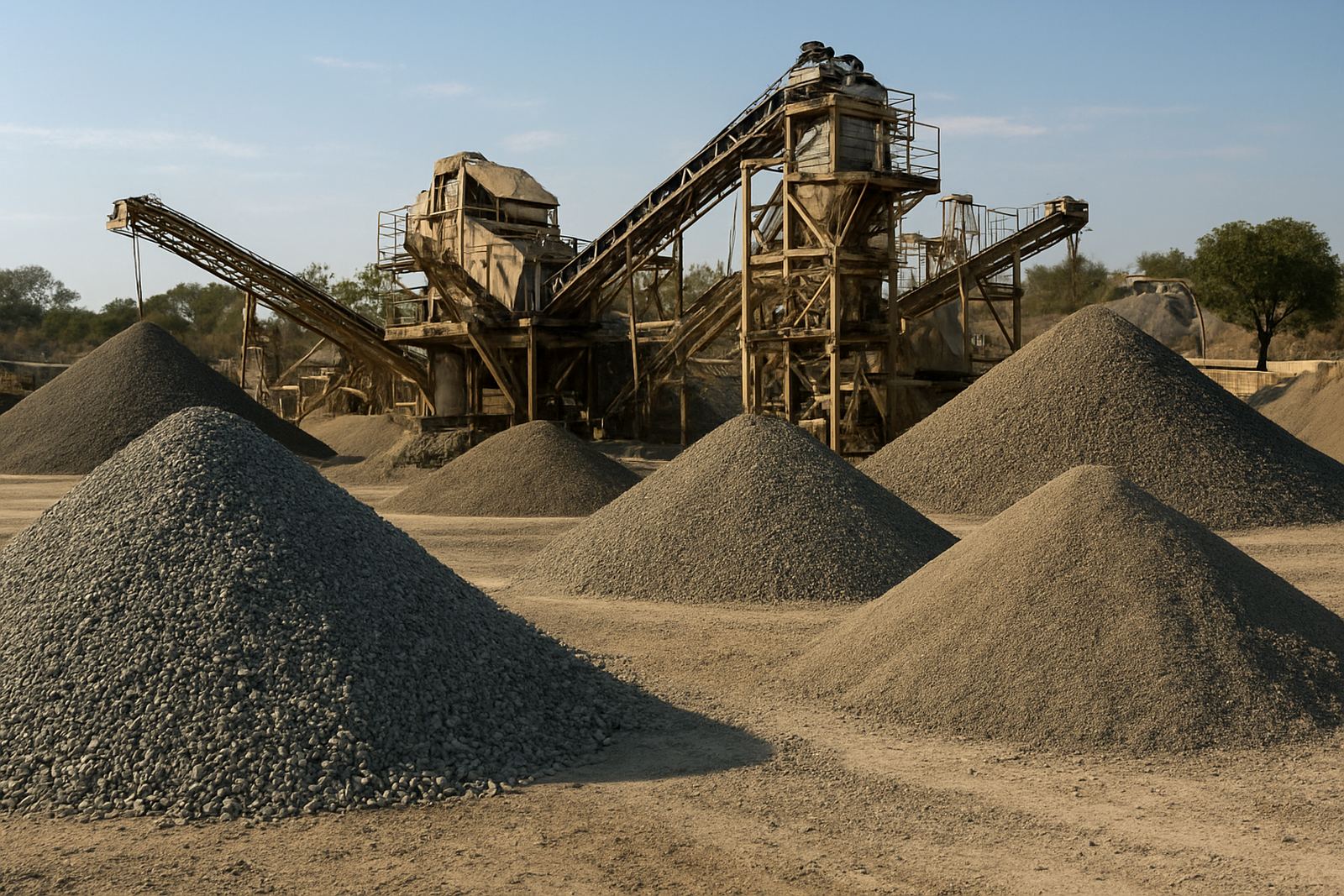
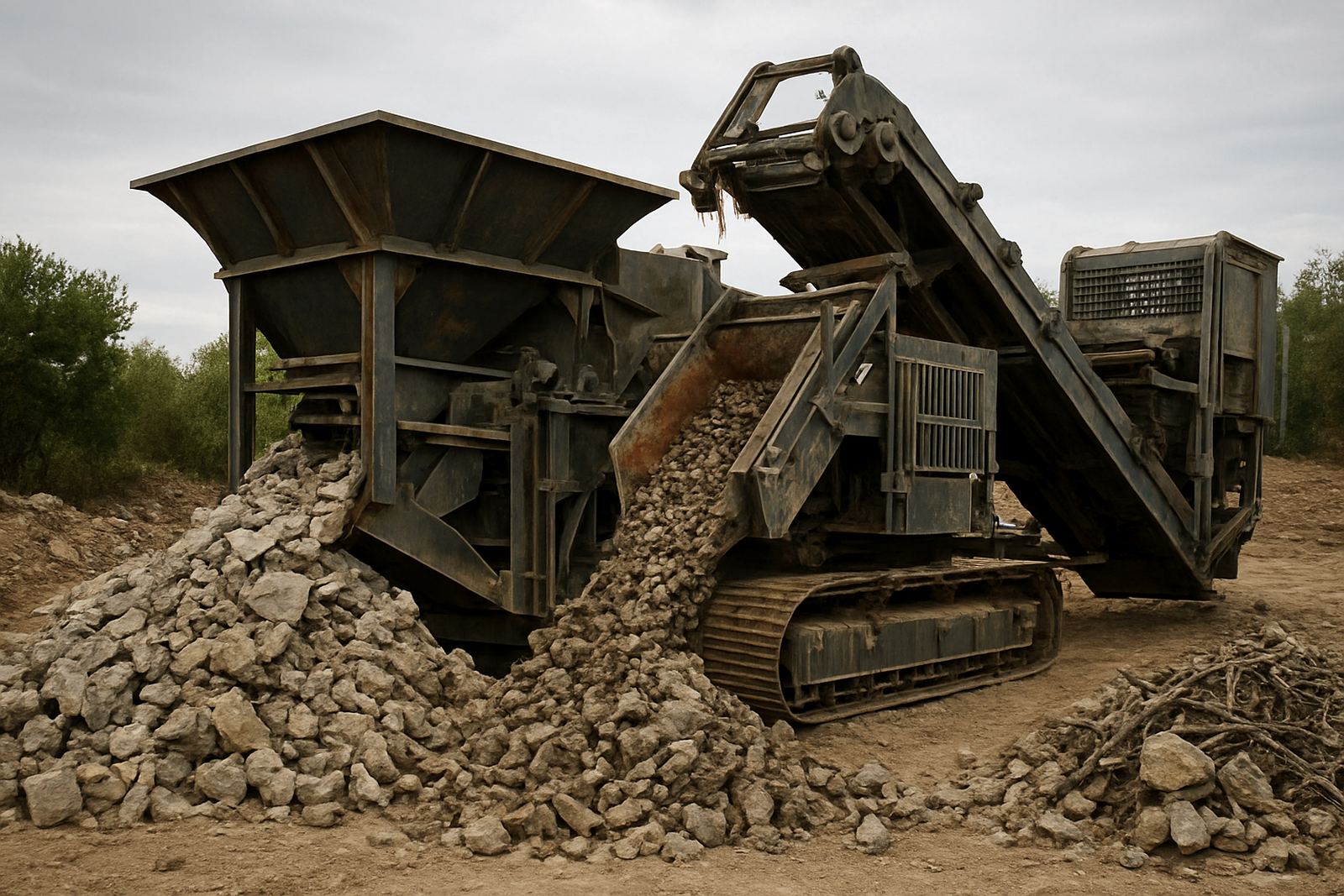
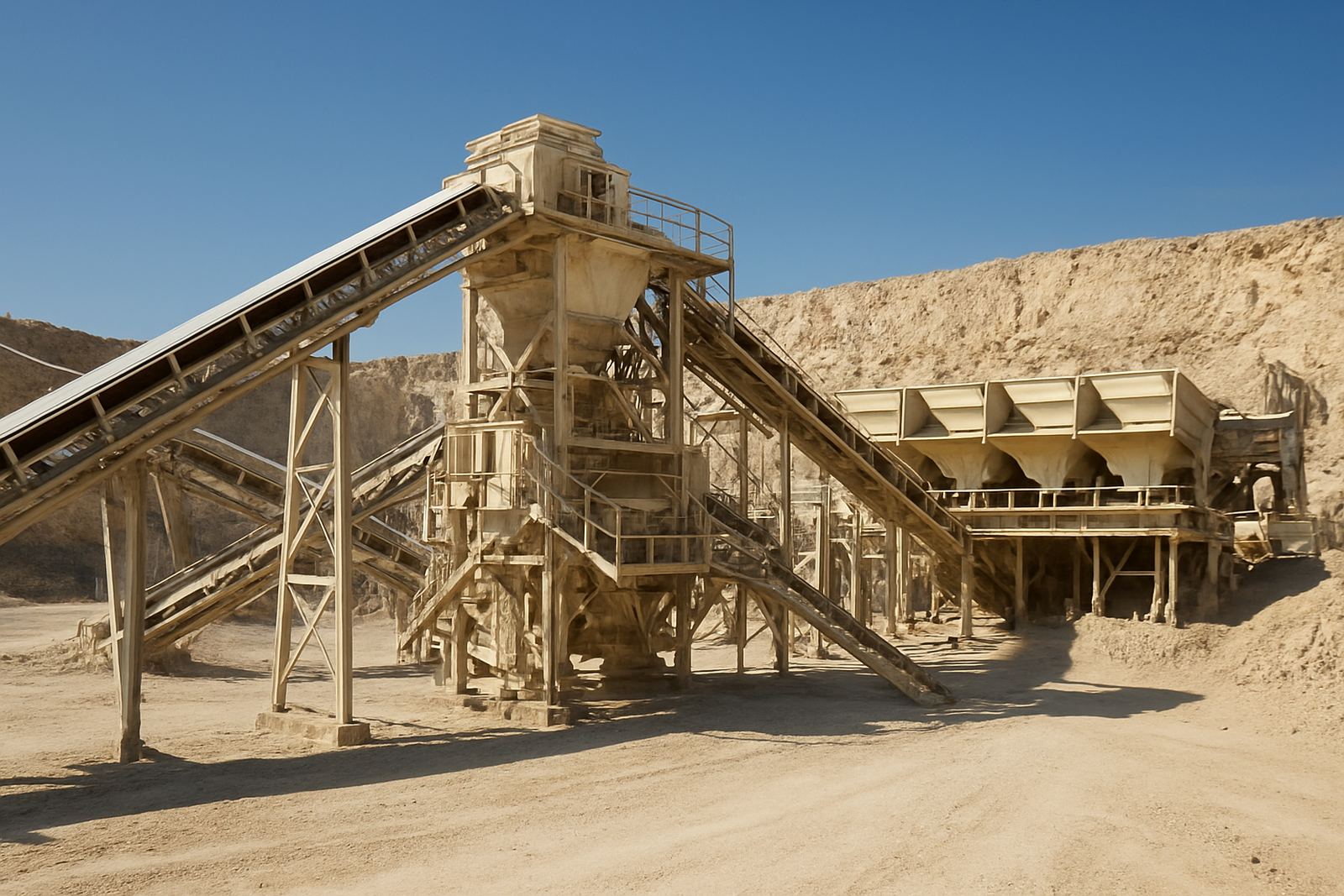
A limestone line often starts with a front end built for reliable feeding and easy access. Depending on the feed size and product spec, the set may include a ROM bin, apron feeder or vibrating feeder, primary jaw or gyratory crusher, secondary cone or impact crusher, scalping screen, transfer conveyors and dust suppression points. Many plants also run magnetic separation, dust extraction and stockpile conveyors where roadstone or aggregate grades are produced.
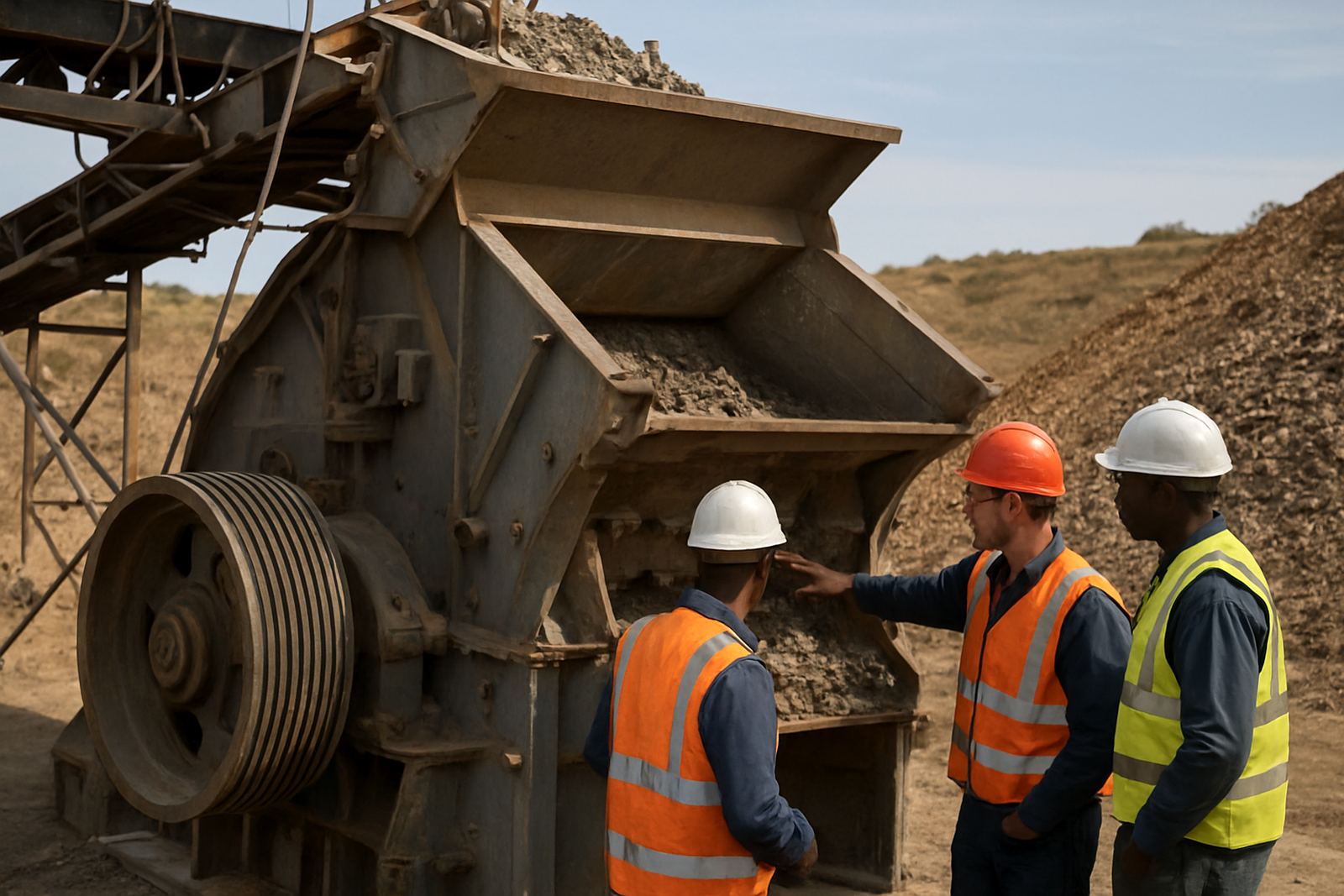
On the spares side, the usual demand is for jaw plates, cheek plates, mantle and bowl liners, blow bars, screen panels, idlers, pulleys, bearings, shafts, gear units, hydraulic components and conveyor accessories. In coastal humidity areas and exposed yards, corrosion and seized fasteners become a real issue, so condition notes matter just as much as part numbers.
- Primary stage: feeder, crusher housing, liners and drive components
- Secondary stage: cones, hammers, wear segments, screens and chutes
- Support items: bearings, belts, skirting, filters, motors and couplings
Layout and planning advice for dusty sites
Limestone sites need practical layout choices because dust settles everywhere and maintenance teams are often working through short windows. Keep spare parts stored where forklifts can reach them without crossing active haul routes. If the yard is in Middelburg, Lydenburg or Secunda, allow for weather exposure, rainwater runoff and enough hard standing for trucks coming in with exchange stock.
Good planning starts with part segregation. Keep serviceable used parts, scrap items and fitment-ready stock apart so no one wastes time sorting through mixed pallets. Where a shutdown is booked, list the urgent spares first, then the follow-on items that can wait for a local collection or nationwide delivery. For mines near Rustenburg and Polokwane, that kind of staging can save a full shift when the unexpected happens.
- Mark each pallet with part number, machine model, condition and weight
- Store seals, bearings and electrical items indoors where possible
- Use palletising and packing for long-distance delivery to reduce damage
- Allow extra time for inspections before a shutdown, not after it starts
Common mistakes that cost limestone producers money
The biggest mistake is treating all surplus as scrap. A worn liner with usable life left may still suit another site that runs lighter feed or a shorter campaign. Another common error is buying new while a matching used part is sitting in the yard at another quarry. That ties up cash and fills storage with duplicates.
We also see parts removed without proper identification. If a crusher or screen goes out of service and nobody records the serial details, the exchange value drops fast. Missing bolts, cracked mounting faces and undocumented repairs can turn a good spare into a risky one. On limestone plants with regular load-shedding, there is extra pressure to rush fitment, but rushed work often leads to alignment problems and repeat breakdowns.
- Do not store mixed-condition parts together and call it ready stock
- Do not skip inspection just because a part looks clean
- Do not assume an old component has no trade value
- Do not ignore wear history, especially on high-hour crushers
Budget ranges for exchange and shutdown sourcing
Costs vary by machine size, condition and how urgently the part is needed. For limestone producers, a small consumable exchange might sit from about R2 500 to R15 000, while larger wear items and crusher components can range from R20 000 to R180 000 or more depending on specification. Full shutdown sourcing packages can run higher once inspections, packing, collection and delivery are included.
The better approach is to compare the true cost of waiting against the exchange value. If a line is losing production for six hours a day, an apparently cheap delay can become expensive very quickly. We help clients compare scrap vs exchange, so a serviceable item is priced fairly instead of being disposed of too soon. For quarry operators around Pietermaritzburg, Kathu and eMalahleni, that comparison often makes a real difference to monthly maintenance spend.
- Consumables and smaller parts: about R2 500 to R15 000
- Mid-size wear and drive components: about R20 000 to R80 000
- Major crusher and screen items: about R80 000 to R180 000 plus
How Crusher Spare Exchange supports limestone producers
Our team in Middelburg handles surplus listing, part inspections, condition reporting, yard storage, palletising, local collections, nationwide delivery, fitment checks, shutdown sourcing and urgent spares search. That gives limestone operators one place to manage used spares between quarries and mines, whether the stock is in the eMalahleni Region, Rustenburg Region, Polokwane Region, Kathu Region or Pietermaritzburg Region.
Thabo Johannes Mokoena leads the business, with Lerato Maseko overseeing operations, Sibusiso Ndlovu managing inspections, Anika van Zyl handling sales and exchange, Mpho Rakoma supervising logistics, Nokuthula Dlamini on client support and Johan Steenkamp running yard storage. If you have limestone spares sitting idle, or you need a replacement without paying full new-part cost, send the enquiry through our contact page and we can check what can be exchanged, stored or moved next.
- Middelburg base for central handling and dispatch
- Support across South Africa for quarries and mines
- Useful for shutdown planning, urgent replacements and surplus recovery