Why recycling aggregate yards need exchange stock
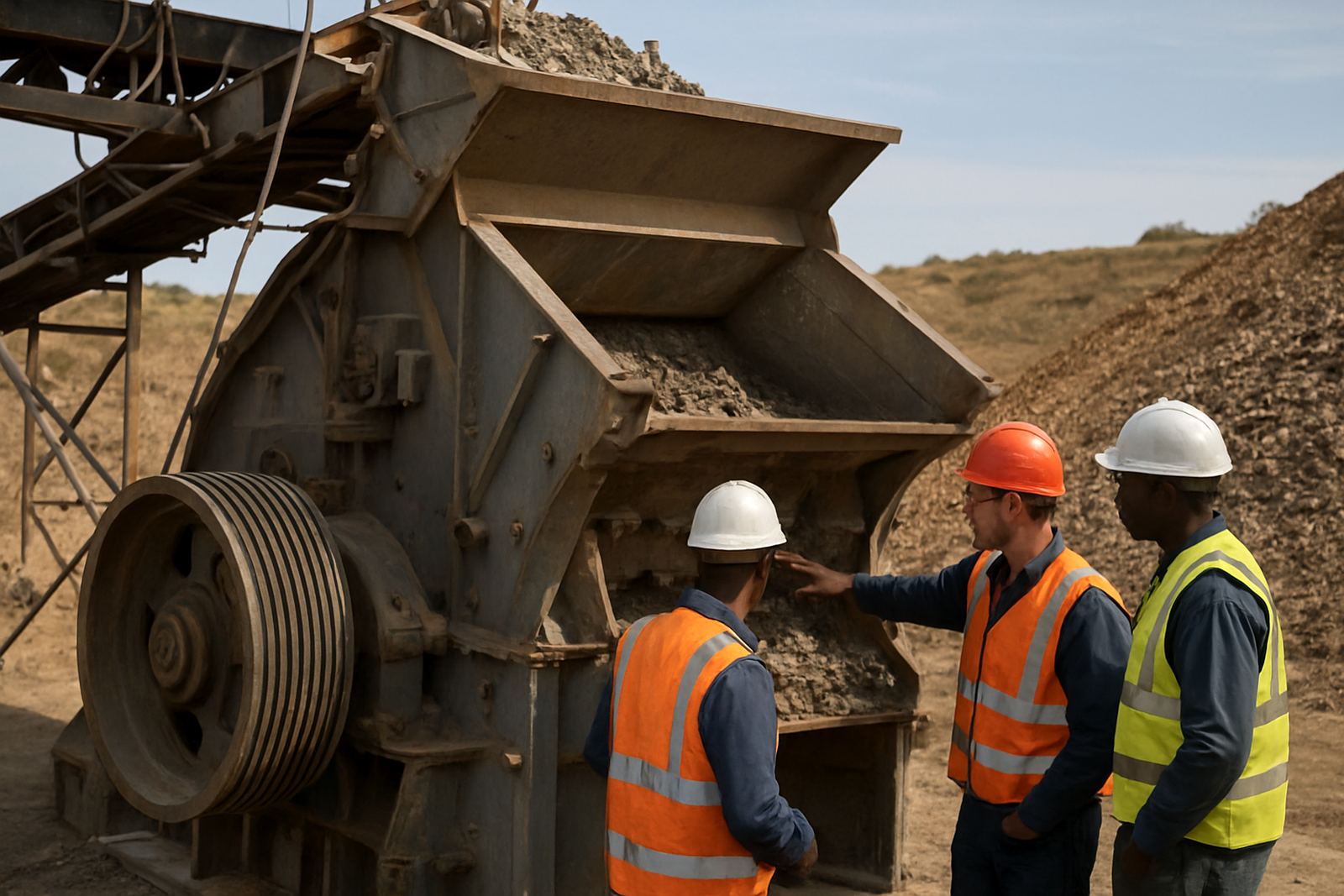
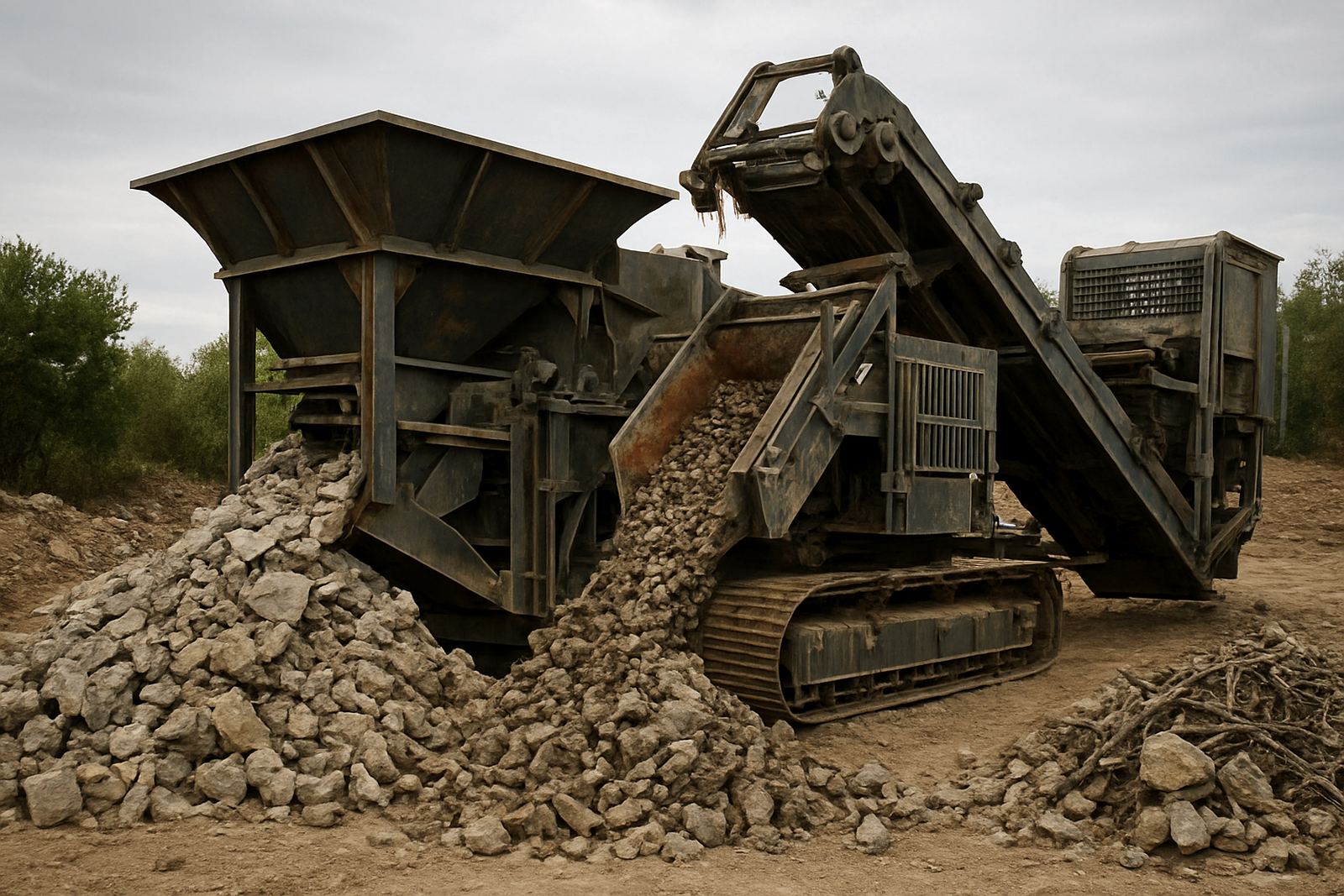
Aggregate recycling yards work with broken concrete, brick, asphalt, rebar, timber and the odd piece of steel that should not have been there in the first place. That mix changes wear patterns fast. Blow bars, jaws, cones, cheek plates, screens, bearings and conveyor components can wear unevenly, and a machine that ran well on clean stone can start to struggle once it is fed demolition rubble all day.
For that reason, many yards keep surplus crusher spares within easy reach rather than waiting for a new order to arrive. A used but serviceable part can keep a plant running through a winter shutdown, a municipal clean-up contract or a rush after heavy rain has washed more material into the stockpile. In the recycling sector, time off line usually costs more than the part itself.
We support quarries, mines and recycling yards that need parts to move quickly between sites. That includes surplus listing, inspection, condition reporting, storage, packing and delivery from Middelburg to eMalahleni, Rustenburg, Polokwane, Kathu and Pietermaritzburg. When a part is still useful, it should stay in use, not sit forgotten in a yard corner collecting dust.
Typical equipment set in a mixed demolition plant
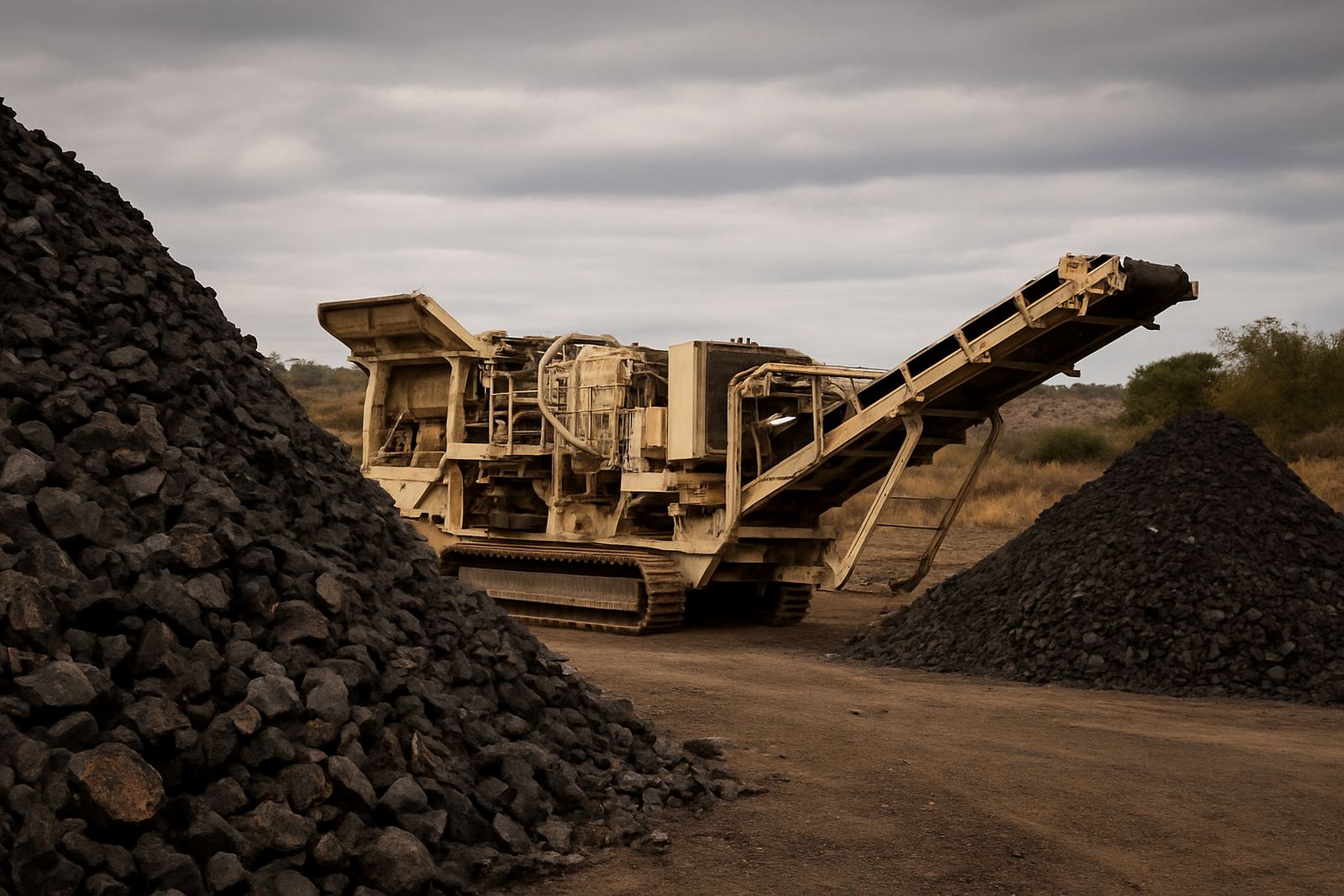
A recycling aggregate site normally runs a compact but hard-working setup. The exact layout depends on feed size, target product and whether the yard is handling crush only, screening only or full processing. Most sites will need spares for a primary crusher, a screen, feed equipment and stockpile handling gear. In some cases there is also a magnetic separator, picking belt and dust suppression system.
- Jaw or cone crusher wear parts for primary and secondary reduction
- Screen media, side plates and support parts for scalping and sizing
- Conveyor rollers, pulleys, scrapers and belt tracking components
- Bearings, housings, shafts and coupling parts for rotating equipment
- Hydraulic hoses, cylinders and fittings for adjustment and service work
- Fasteners, liners and guards that often go missing during shutdowns
Because recycled feed is often dirty and uneven, fitment checks are important. A part might look acceptable on the pallet but still fail if the mounting face is worn or the profile is wrong for the chamber. We inspect and report on condition so the buyer knows whether the part suits immediate installation, short-term use or spare holding.
Layout and planning advice for a busy recycling yard
Good planning starts with the stockpile layout. The crusher should not be forced to travel long distances to feed and the screens should sit where the oversize can return without crossing the clean product route. If you are moving material with wheel loaders or an excavator, allow enough turning space, especially on wet clay or dusty surfaces where traction drops quickly. In Middelburg and the surrounding Highveld, rain and fine dust both cause their own trouble, so drainage and surface maintenance are worth proper attention.
Spare parts storage needs a dry, labelled space with racking or pallets off the floor. Coastal humidity is not the main issue inland, but condensation still gets into bearings, liners and small electrical items if they are packed badly. For yards in warmer regions like Pietermaritzburg or humid low-lying areas, wrap and pack more carefully. If a part is coming in for later exchange, palletising and clear identification saves time during a shutdown.
- Keep fast-moving wear parts near the plant, not at the far end of the yard
- Separate used, tested and scrap items so nobody fits the wrong piece
- Record part numbers, machine model and wear condition on arrival
- Allow a safe route for delivery trucks and crane offload during load-shedding
Common mistakes that cost recycling yards money
The biggest mistake is treating every removed part as scrap. Some components only need cleaning, measurement and a proper inspection before they can go back into service or into exchange stock. Another common problem is buying on appearance alone. A jaw die or screen part can look fine at a glance but still be too far worn for useful work, which means the plant stops again sooner than expected.
We also see yards order a full set of spares when only one or two items are actually limiting production. That ties up cash and storage space. It is often better to prioritise the parts that stop the process first, then build the rest of the shelf stock after that. An urgent spares search can help when a shutdown is already scheduled and there is no room for delay.
One more issue is poor segregation between exchange parts and scrap. If a component is damaged beyond economic repair, it should go to scrap vs exchange without confusion. That keeps the yard tidy and avoids arguments when the part is needed later. Small admin errors cost time, and in our world time is money. Sometimes more money than people expect.
What budget ranges look like in rand
Budget depends on machine size, part condition, quantity and how quickly it must move. For a small recycling yard, a practical monthly spend on exchange spares may start from around R25 000 for wear items and basic consumables. A larger site with two crushers, a screen and several conveyors can easily run into R120 000 to R350 000 for a heavier stock programme, especially before a big contract or after a shutdown.
Used exchange parts usually cost less than new replacements, but the real saving comes from reduced downtime and shorter lead times. A part that is available now and inspected properly may be the better buy even if the initial quote is not the lowest. We handle local collections and nationwide delivery, so the total landed cost is easier to judge before you commit.
If you are planning a shutdown, set aside budget for inspection, packing, transport and a small contingency for extra items found during strip-down. That is normal on recycling plant work because hidden wear is common. A sensible allowance is often 10% to 15% above the first list, just to keep the job moving.
How Crusher Spare Exchange supports recycling operations
Our Middelburg base is set up to help quarries and mines move surplus crusher spares between sites, with practical support from listing to delivery. The team includes Thabo Johannes Mokoena as Managing Director, Lerato Maseko on operations, Sibusiso Ndlovu for inspection coordination, Anika van Zyl for sales and exchange, Mpho Rakoma on logistics, Nokuthula Dlamini in client support and Johan Steenkamp managing yard storage.
For recycling aggregate work, that means you can ask us to inspect a part, report its condition, store it safely and move it when the right buyer or exchange opportunity comes up. Clients reach us through the enquiry form on the contact page, which keeps the process simple and recorded. We support sites in Middelburg, eMalahleni, Rustenburg, Polokwane, Kathu, Pietermaritzburg, Secunda and Lydenburg, so mixed demolition operations across the country can keep turning surplus into useful stock.
When a plant is breaking down concrete and brick all day, the right spare on the shelf is not a luxury. It is part of keeping the yard productive, on time and a bit less wasteful.