Why Basalt Circuits Need Spare Parts Ready Before Shutdown
Basalt is unforgiving on crushers because the feed is dense, angular and abrasive. In a typical quarry or mine, the first signs of trouble show up in liner wear, loose fasteners, cracked brackets, poor clearance settings and reduced throughput after a few wet or dusty shifts. If a site waits until a breakdown before sourcing parts, the machine can sit idle while the crew, crane and contractors are already booked.
For basalt operations in Middelburg, eMalahleni, Rustenburg or Polokwane, the practical move is to keep a short list of critical spares already identified by machine model and duty. That usually includes wear parts, shaft components, bearings, seals, screens, fasteners and hydraulic items where fitted. Used spares can make good sense when they are inspected properly and match the exact fitment needed for the plant. It saves cash and keeps usable material in the local quarrying system instead of sending everything straight to scrap.
Typical Basalt Crushing Setups We See Across South Africa
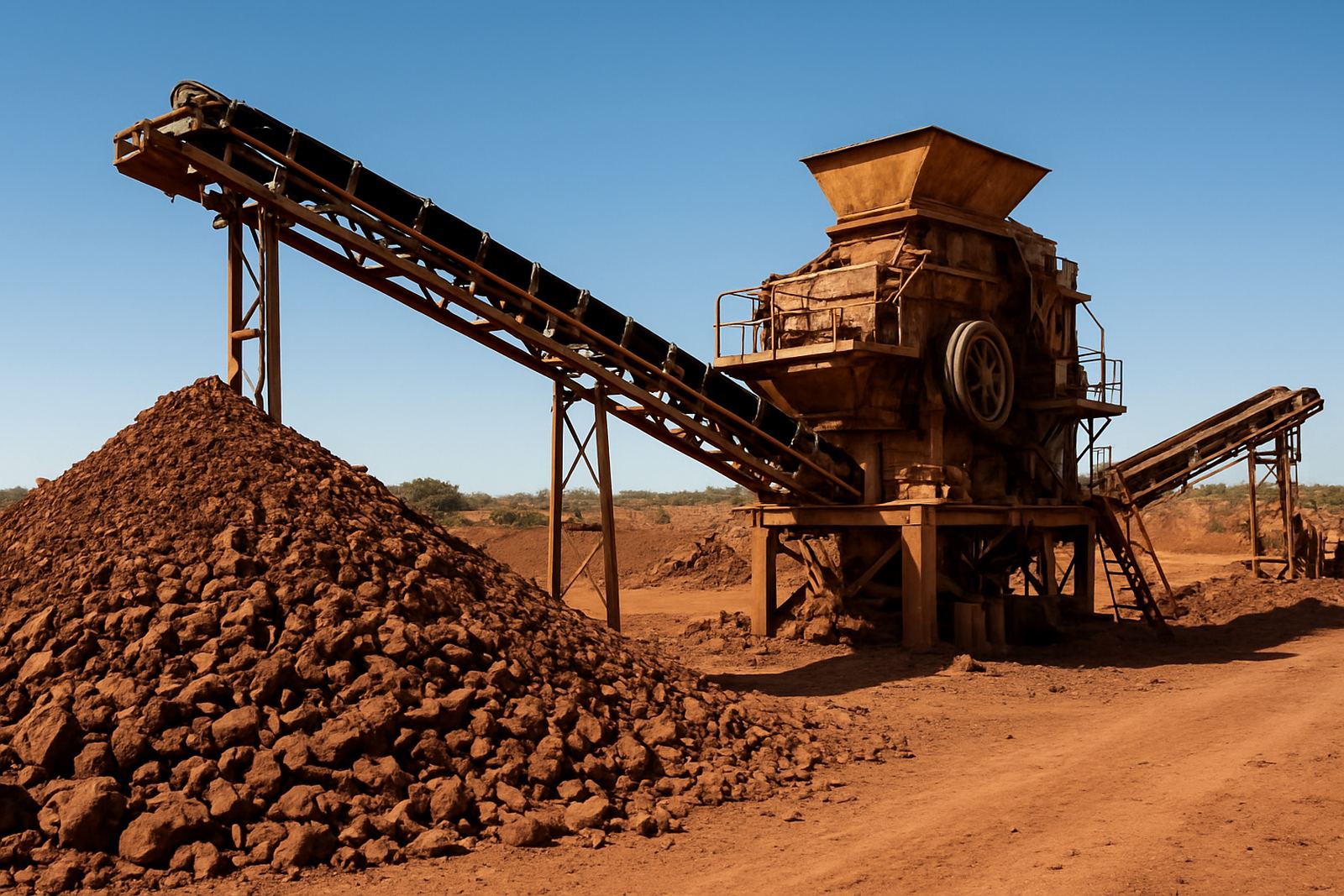
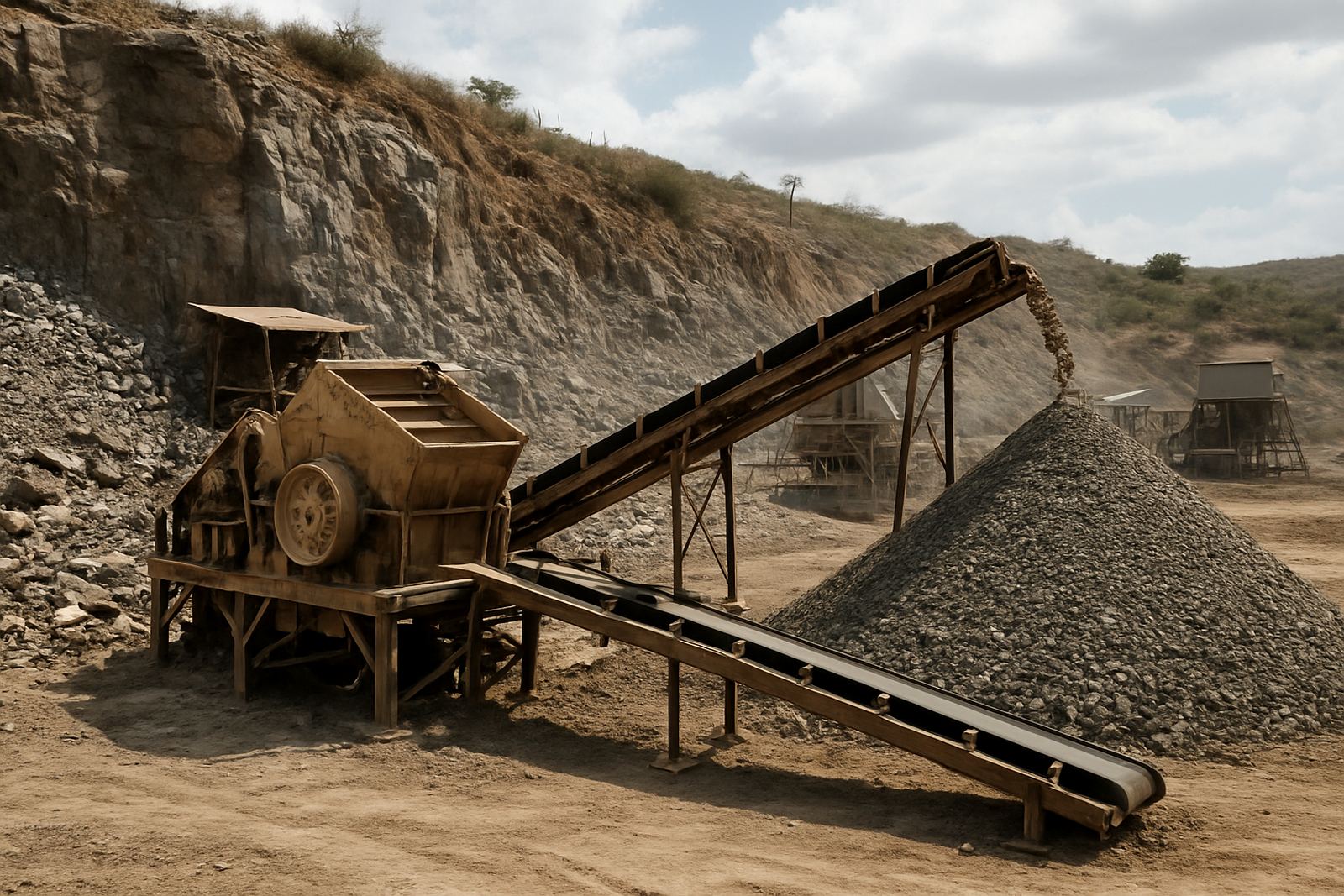
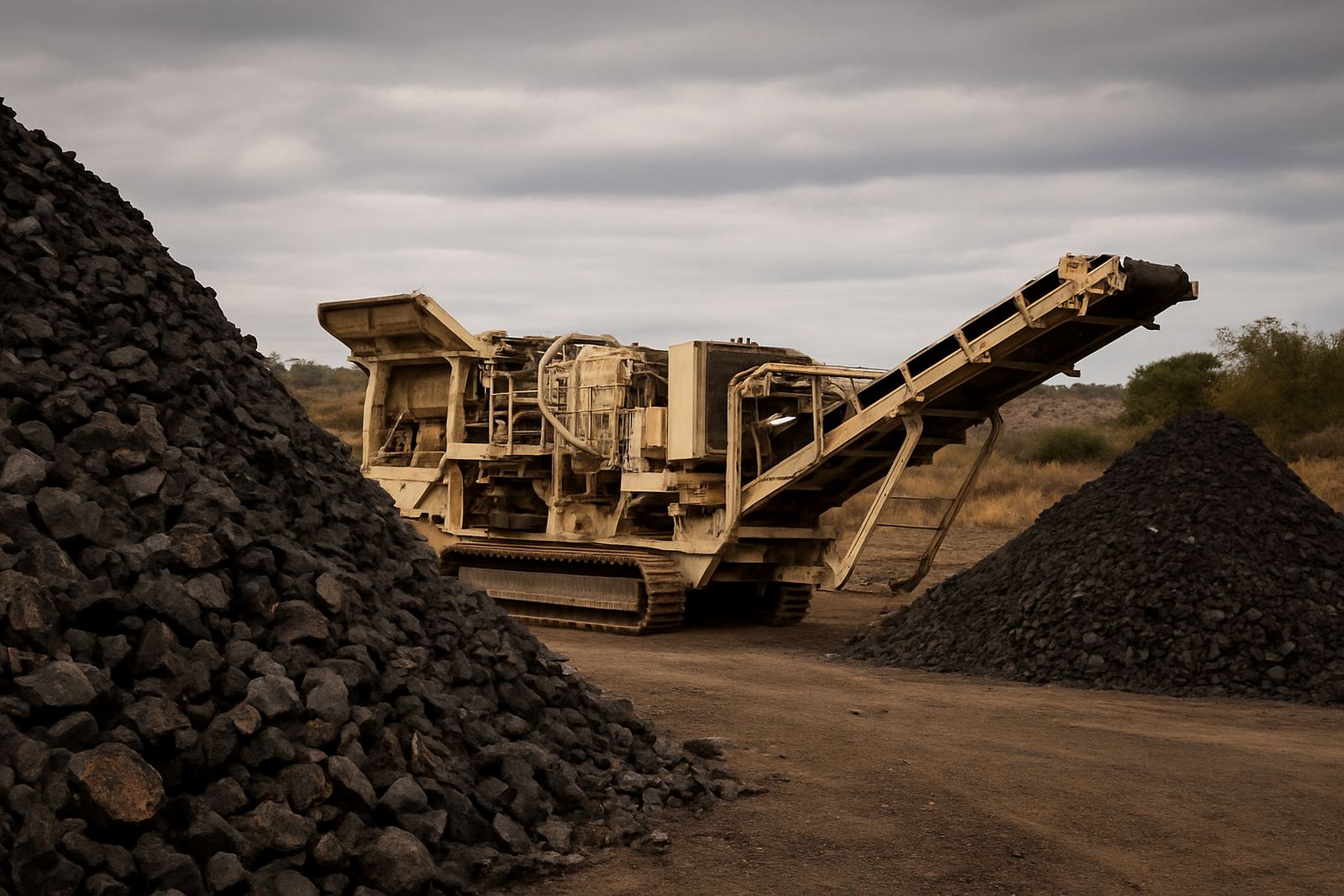
Most basalt operations use a staged setup with a primary crusher, a secondary stage and then screening. Some sites run jaw and cone combinations, while others use impact units where shape control matters and the feed is manageable. Ancillary equipment can include vibrating screens, feeders, conveyor pulleys, gearboxes, motors, take-up units and support frames. The smaller details matter just as much as the main crusher because a missing bearing housing or damaged shaft key can stop the whole line.
When we inspect surplus crusher spares, we look at the exact machine family, the wear pattern and the likely remaining service life. Basalt parts that were used on dry inland sites often present differently to parts from coastal operations, where humidity and corrosion can affect storage condition. In places like Pietermaritzburg or Kathu, good storage and correct handling become part of the value. A spare that was removed from service at the right time can still be useful on another site if it has clean faces, sound threads and no hidden cracks.
- Primary crusher spares: jaws, cheek plates, toggles, frames and fixings
- Secondary crusher spares: cones, mantles, bowl liners, bushings and seals
- Screening items: screen media, drive parts, shafts and bearings
- Handling items: chutes, guards, rollers, pulleys and brackets
- Support items: hydraulic parts, lubrication fittings and fasteners
How To Plan Storage, Packing and Movement Before the Shutdown
Basalt shutdowns move quickly once the plant is stopped, so the spares plan should be ready before the work starts. Our Middelburg base manages surplus listing, inspection, palletising and packing, local collections, nationwide delivery and yard storage, which helps when parts need to be held safely until a fitment window opens. For larger items, good packing reduces edge damage and makes loading safer with forklifts or overhead lifting gear.
On active mine sites, storage needs to be practical and traceable. Heavy steel parts should be marked, wrapped where needed and kept off the ground on pallets or dunnage. If the site is dealing with load shedding, plan the collection and receiving times carefully so that gates, cranes and lighting are available. Clear planning also helps with municipal road limits and delivery access in town areas, especially where trucks need to fit around turn restrictions or tight yards.
- Confirm machine model, serial details and part number before collection
- Separate serviceable parts from scrap items before the shutdown starts
- Label each crate or pallet by circuit, location and condition
- Keep inspection notes with the part so the next site knows what it is getting
- Schedule transport around site access, weighbridge times and after-hours receiving
Common Mistakes That Cost Basalt Plants Time And Money
One common mistake is buying a part because it looks close enough. In crusher work, a few millimetres can mean the difference between correct fitment and a long delay on site. Another mistake is assuming that used means unusable. A properly inspected spare can offer solid value, but only if the wear, repair history and storage condition are known. We also see sites holding onto damaged parts for too long, hoping they will somehow be repaired during the next shutdown, which just clutters the yard and ties up working space.
Operations teams sometimes forget about the smaller consumables around the crusher. A liner change may be delayed because a seal kit, shim set or mounting hardware was not ordered. It is also easy to overlook logistics, especially on inland routes between Middelburg, Secunda and Rustenburg where timing matters. The result is a part sitting in storage while the plant waits for a missing companion item. Good planning means matching the big component with the fittings, packing and transport needed to get it into service on time.
Budget Ranges For Basalt Spare Exchanges In Rand
Budgets depend on machine size, part condition and whether the item is listed for exchange, consignment sale or direct purchase. Smaller support items may sit in the low thousands of Rand, while major wear assemblies and structural parts can run far higher. For basalt operations, it is useful to budget in bands rather than guessing one lump sum for the whole shutdown. That gives the buying team room to move when urgent spares are needed or when a good used part becomes available at short notice.
As a working guide, many sites allow around R15 000 to R75 000 for smaller urgent items, R75 000 to R250 000 for mid-range crusher and screen components, and R250 000 plus for larger assemblies or multiple matched parts. Transport, packing and inspection fees should be built into the plan as well, especially for long-distance movements between Mpumalanga, the North West, Limpopo, KwaZulu-Natal and the Northern Cape. The real saving usually comes from avoiding downtime and using a serviceable part instead of waiting weeks for a new one.
What Basalt Clients Ask For Most Often
Our clients in quarrying and mining often need fast answers on fitment, condition and whether a used spare will suit the planned duty. Thabo Johannes Mokoena and the team support sourcing across our Middelburg Yard, eMalahleni Region, Rustenburg Region, Polokwane Region, Kathu Region, Pietermaritzburg Region, Secunda Region and Lydenburg Region. Lerato Maseko handles operations flow, Sibusiso Ndlovu oversees inspection coordination, Anika van Zyl works on sales and exchange, Mpho Rakoma manages logistics, Nokuthula Dlamini supports clients, and Johan Steenkamp controls yard storage and release.
For basalt operations, the quickest wins usually come from clear information: machine type, photos, wear measurements, and whether the part is for immediate fitment or holding against the next shutdown. The more detail supplied on the enquiry form, the faster the team can check options and match the part to the circuit. That helps quarries keep production steady and use surplus spares properly instead of letting them sit in a pile until they turn into scrap.