Why manganese ore plants need the right spare mix
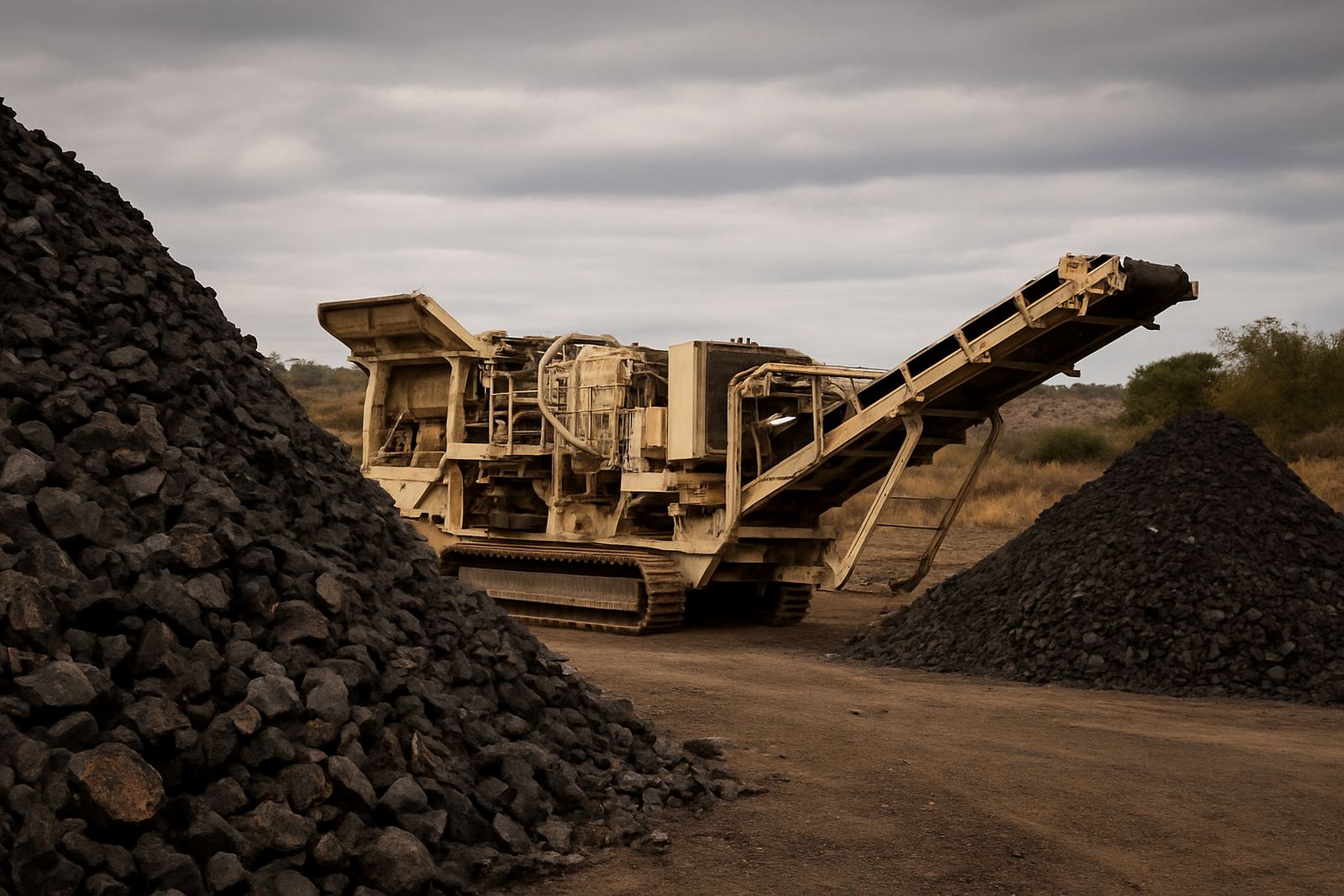
Manganese ore plants handle hard feed, constant impact and heavy fines, so wear parts often fail faster than in lighter duty circuits. When a crusher is set up for dense ore and the wrong spare is fitted, the result is poor product shape, more downtime and higher power use. In Middelburg and across the belt from eMalahleni to Kathu, many sites keep a mix of new and used spares on hand to reduce waiting time and spread costs across the year.
Crusher Spare Exchange supports that approach by listing surplus crusher spares, checking condition, and moving usable parts between quarries and mines. That is useful where shutdowns are short, weather can affect stock storage, and plant managers need parts that can be fitted without long procurement delays. The goal is simple: keep the line moving, cut waste, and avoid scrapping parts that still have service life left.
Typical equipment set on manganese ore circuits
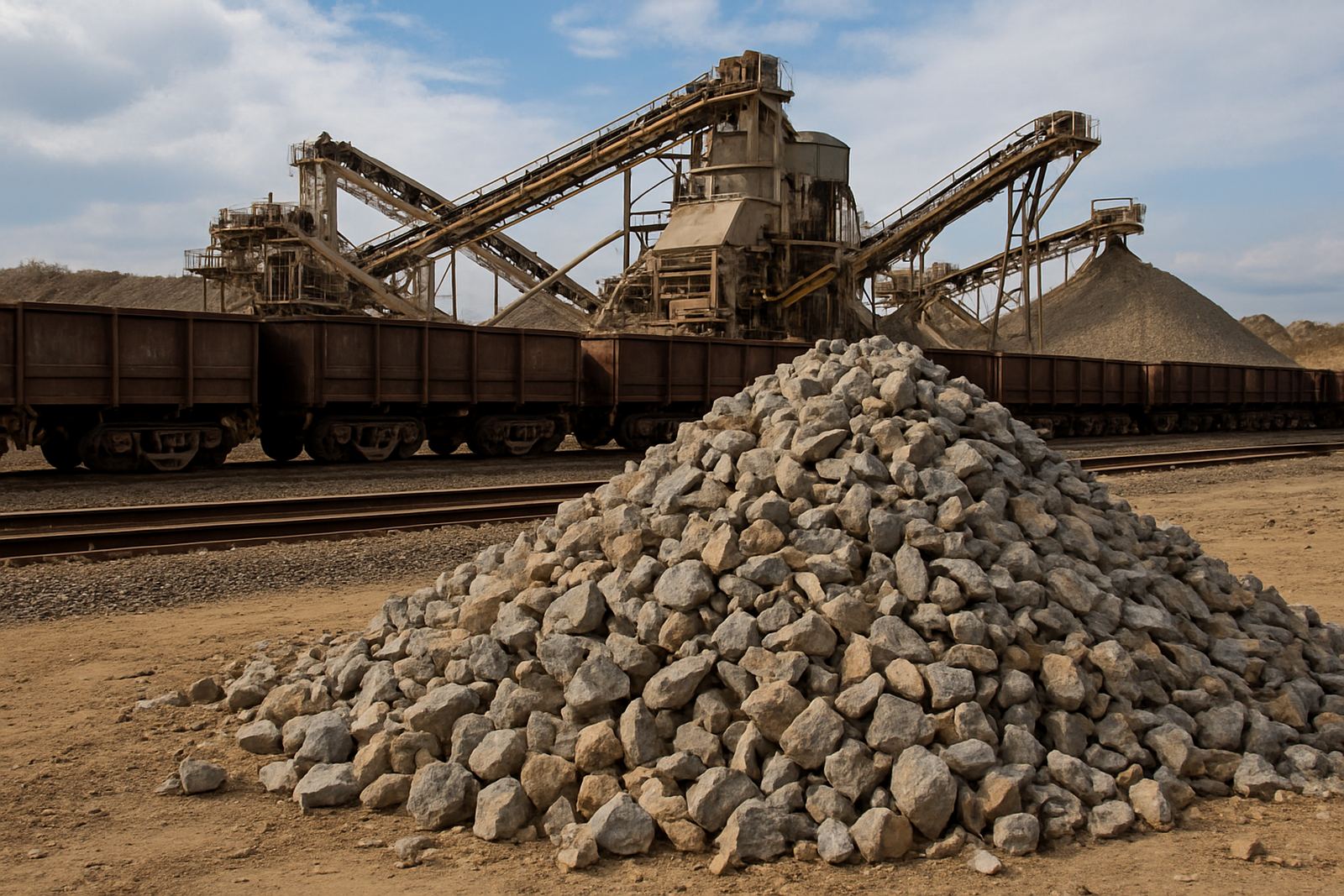
A manganese ore plant usually has a mix of primary and secondary crushing, screening, transfer points and stockpile handling. The exact setup varies by feed size and product spec, but most sites will use a combination of crushers, feeders, screens, conveyors, chutes and support frames. Wear is often highest at the feed side and along impact zones where rock hits metal repeatedly.
- Jaw crusher parts such as fixed and moving jaws, toggle plates and cheek plates
- Cone crusher spares including mantles, bowls, head liners and adjustment components
- Impact crusher items such as blow bars, liners and breaker plates
- Vibrating screen spares, mesh, springs and drive components
- Conveyor parts, rollers, pulleys, scrapers and skirting
- Chute liners, hoppers, transfer plates and mounting hardware
For plants in humid areas such as Pietermaritzburg, corrosion can affect stored parts if packing is poor. In dry regions like Kathu, dust ingress and heat are often the bigger issue. Good storage and basic preservation matter just as much as the part itself.
How to plan surplus spares around shutdowns
Planning starts with the shutdown calendar. If a plant has a fixed maintenance window, the safe approach is to identify all critical wear parts 4 to 8 weeks before the stop and confirm what can be reused, exchanged or held as backup. At Crusher Spare Exchange, the team can arrange inspection, palletising and packing, then store the parts at the Middelburg Yard or move them to site when needed.
Layout also matters. A cramped spares store causes damage during handling and delays during fitment. Keep heavy crusher components on level ground, allow enough aisle space for a forklift, and separate inspected stock from unverified stock. If parts are going to eMalahleni, Rustenburg, Polokwane, Secunda or Lydenburg, label each item clearly with size, machine type and condition notes so the receiving crew does not waste time sorting.
- Group parts by machine and stage of the circuit
- Mark serviceable, repairable and scrap items separately
- Keep high value parts under cover and off bare ground
- Check lifting points before collection or delivery
- Allow time for fitment checks before a shutdown starts
Common mistakes that cost plants money
One common mistake is buying a spare only after the old one has failed. On a manganese ore line that can mean a full stop, and a full stop gets expensive very quickly. Another mistake is treating every used part as a risk. Many surplus spares still have useful life left, but they need a proper inspection and a clear condition report before anyone signs them off.
Some sites also store parts badly. Leaving liners on damp soil, stacking pallets unevenly or leaving open crates in the weather can ruin parts before they are even issued. In coastal and high humidity areas, rust can start fast if packaging is poor. It is also a mistake to confuse scrap with exchange stock. A part that is worn out beyond safe use should go to scrap, not back into circulation, because false economy leads to repeat failure.
Another issue is poor records. If you do not know the machine model, chamber size or previous wear pattern, the next order may not fit correctly. Sibusiso Ndlovu and the inspection team help clients avoid that by checking condition and recording the basics before sale or exchange.
Budget ranges for used crusher spares in Rand
Budget varies depending on machine size, condition, urgency and whether the part is collected, stored or delivered. For manganese ore plants, the cost gap between a new component and a serviceable used one can be significant, especially on larger crushers and screens. Smaller wear items may only need a modest outlay, while major assemblies can run much higher.
As a practical guide, many sites allow for the following ranges when planning used spare purchases and exchange stock:
- Small wear parts and fittings: R2 500 to R15 000
- Screen and conveyor consumables: R5 000 to R40 000
- Crusher wear sets and liners: R18 000 to R120 000
- Large assemblies and critical exchange items: R75 000 to R350 000 plus
Transport, packing and storage can change the final figure, especially for long hauls to Polokwane or Pietermaritzburg. It is worth comparing the part cost with the cost of downtime, not just the invoice total. Anika van Zyl and Mpho Rakoma often work with clients on exchange options that keep the cash outlay lower while still getting the plant back online.
How Crusher Spare Exchange supports plant teams
Crusher Spare Exchange is based in Middelburg, Mpumalanga and works across South Africa with quarries and mines that need a practical route for surplus parts. The team lists spares, inspects condition, stores usable items, and arranges local collections or nationwide delivery. That includes urgent spares search, consignment sales and fitment checks where required.
For manganese ore plants, the value is in speed and clarity. Lerato Maseko manages operations, Nokuthula Dlamini handles client support, Johan Steenkamp oversees yard and storage, and Thabo Johannes Mokoena leads the business as MD. Whether a plant is in Rustenburg, Secunda, Kathu or the Middelburg area, clients can use the enquiry form on the contact page to request a search, send part details or ask for an inspection. When a site is under pressure and a shutdown date is close, clear stock information and quick movement of parts can save a lot of trouble.
The service is built for the realities of South African plant work: dust, long transport runs, load-shedding planning and the need to keep good parts in circulation instead of letting them sit idle.