
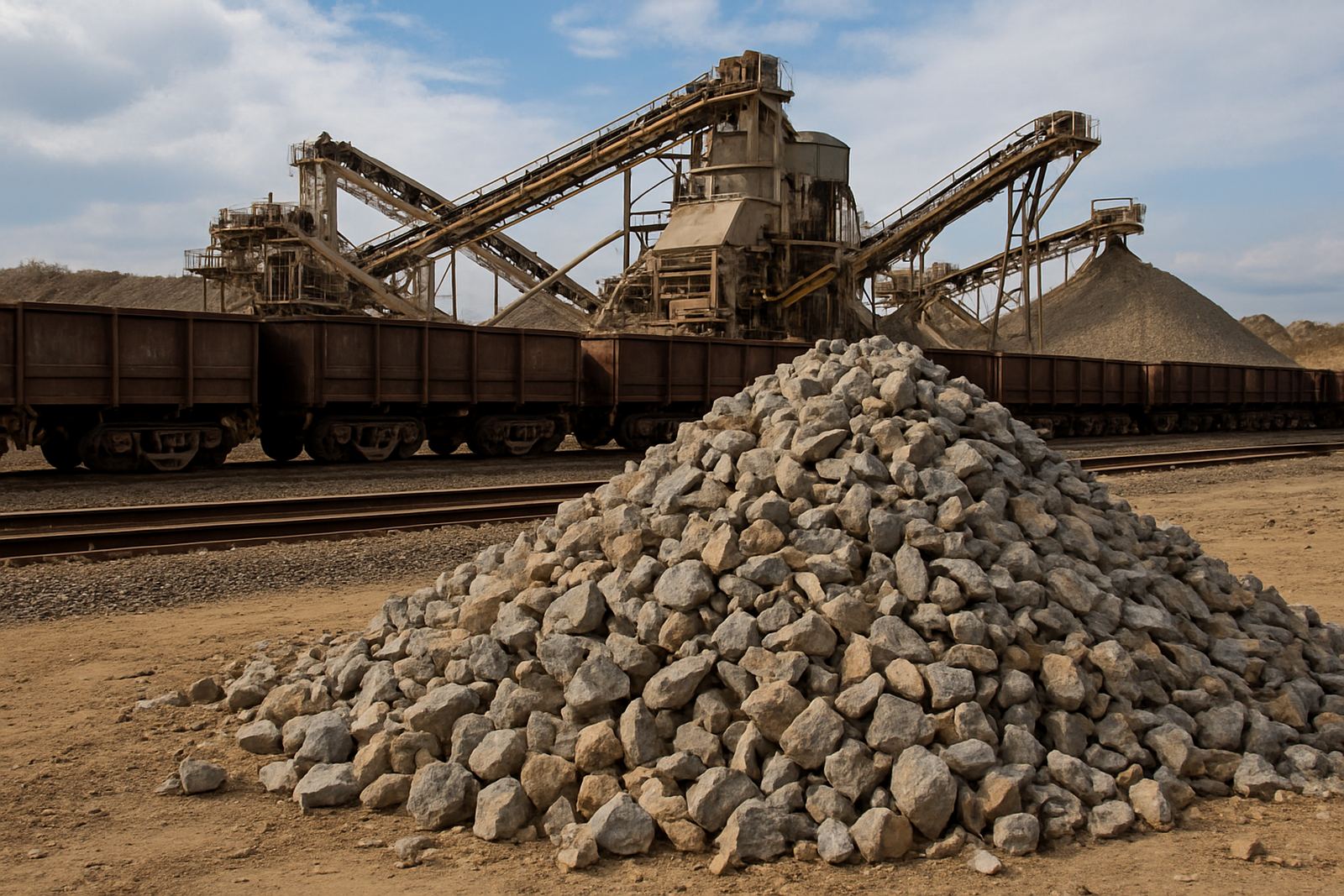
What Rail Ballast Quarries Need From Spare Parts
Rail ballast work is unforgiving. The stone must come out within strict sizing bands, and the plant has to keep running even when fines build up, liners wear unevenly or a feeder starts slipping under load. On a ballast site, a small delay at the crusher can throw off stockpile balance and rail loading plans for the whole week.
Crusher Spare Exchange supports quarry teams looking for usable surplus spares that can be put back into service quickly. We work with sites that need replacements for crushers, screens, feeders, conveyors and support equipment, especially where the original item is on back-order or the machine is due for shutdown only in the next maintenance window. For rail ballast, the key is not just getting a part, but getting the right part in the right condition, with enough service life left to justify the spend.
Across Middelburg, eMalahleni, Rustenburg, Polokwane, Kathu and Pietermaritzburg, we see the same pressure points: inconsistent feed, heavy impact on wear parts, and the need to keep stock on hand before a planned shutdown. That is why our listings focus on condition, traceability and practical fitment checks rather than guesswork.
Typical Equipment Set On A Ballast Crushing Site
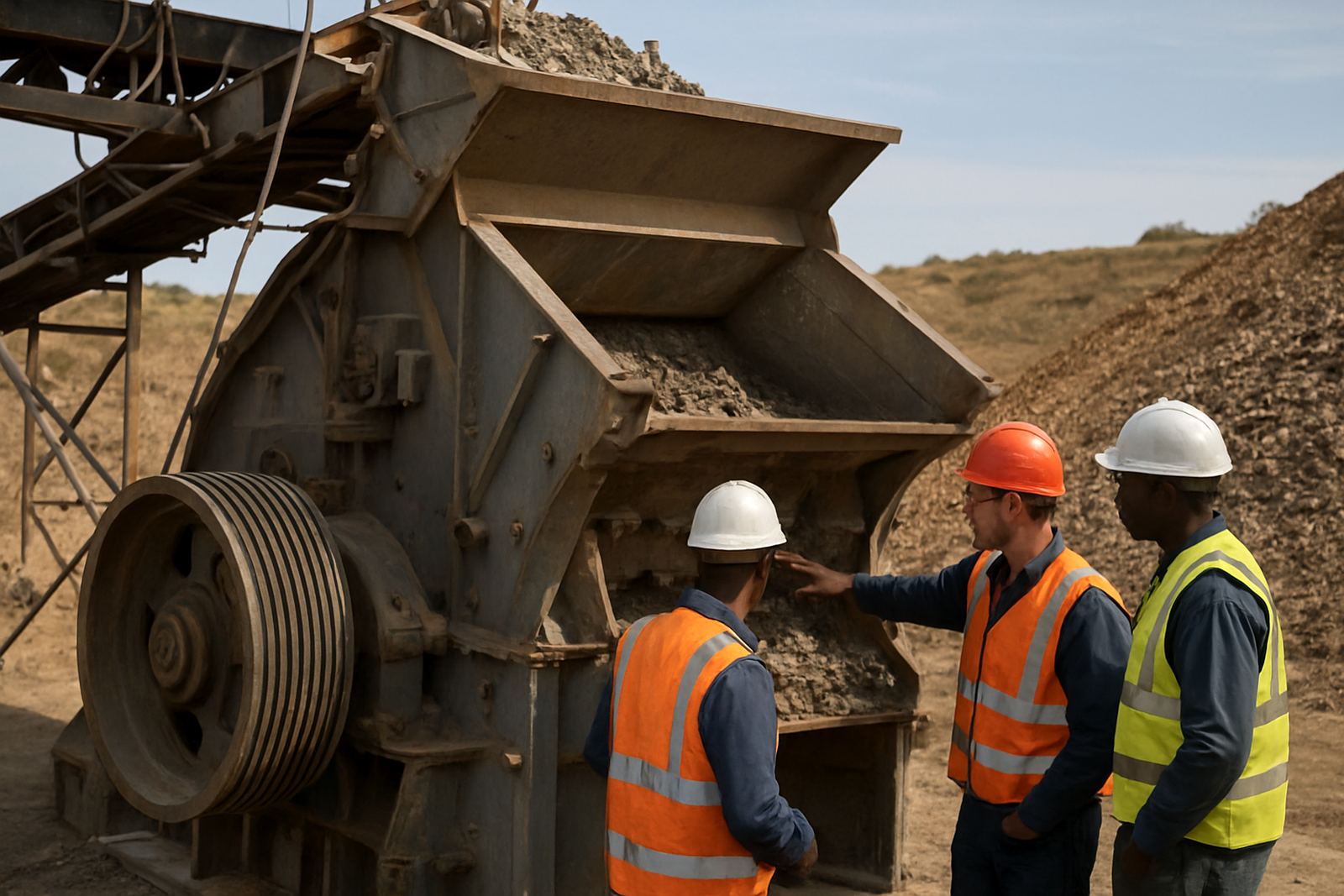
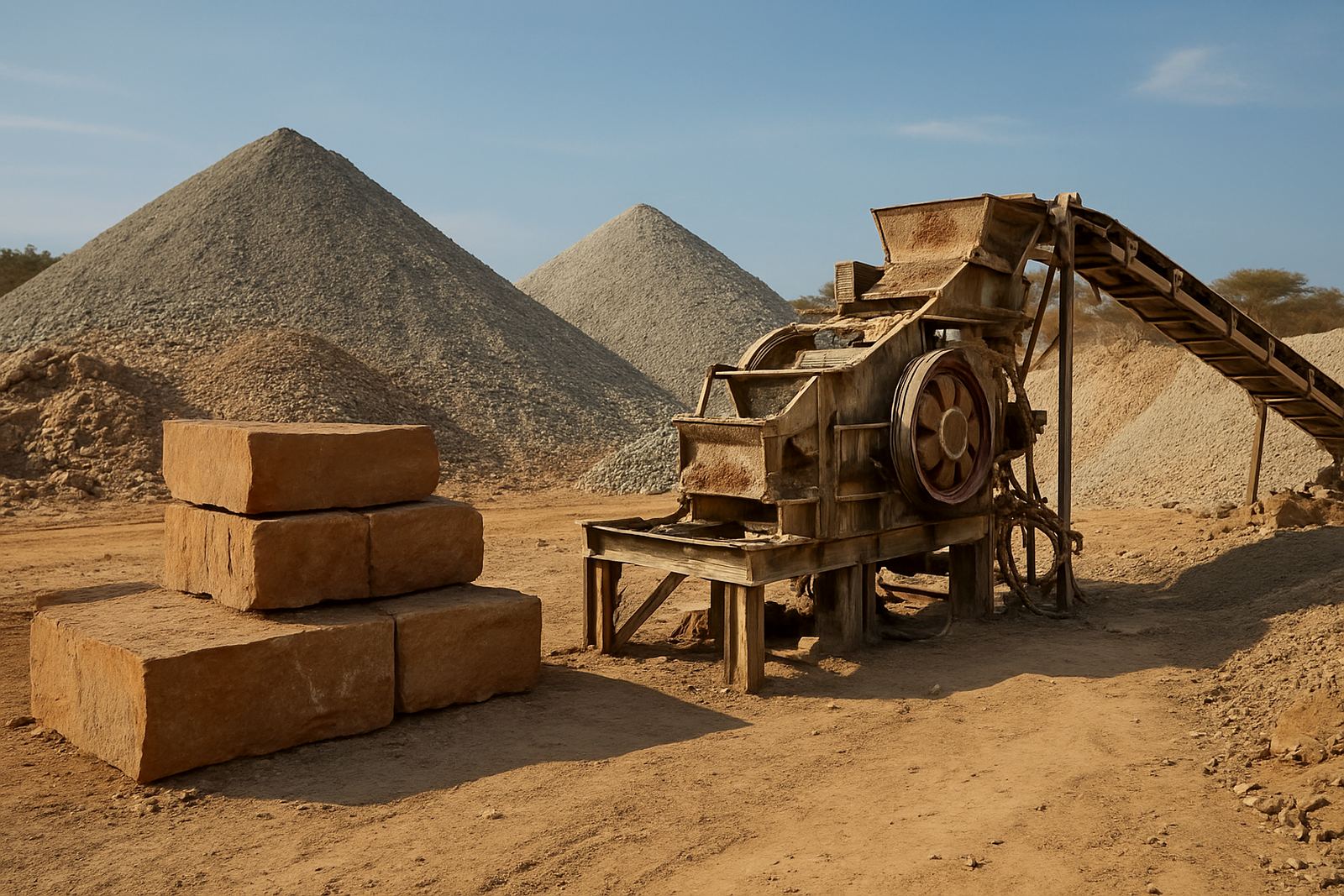
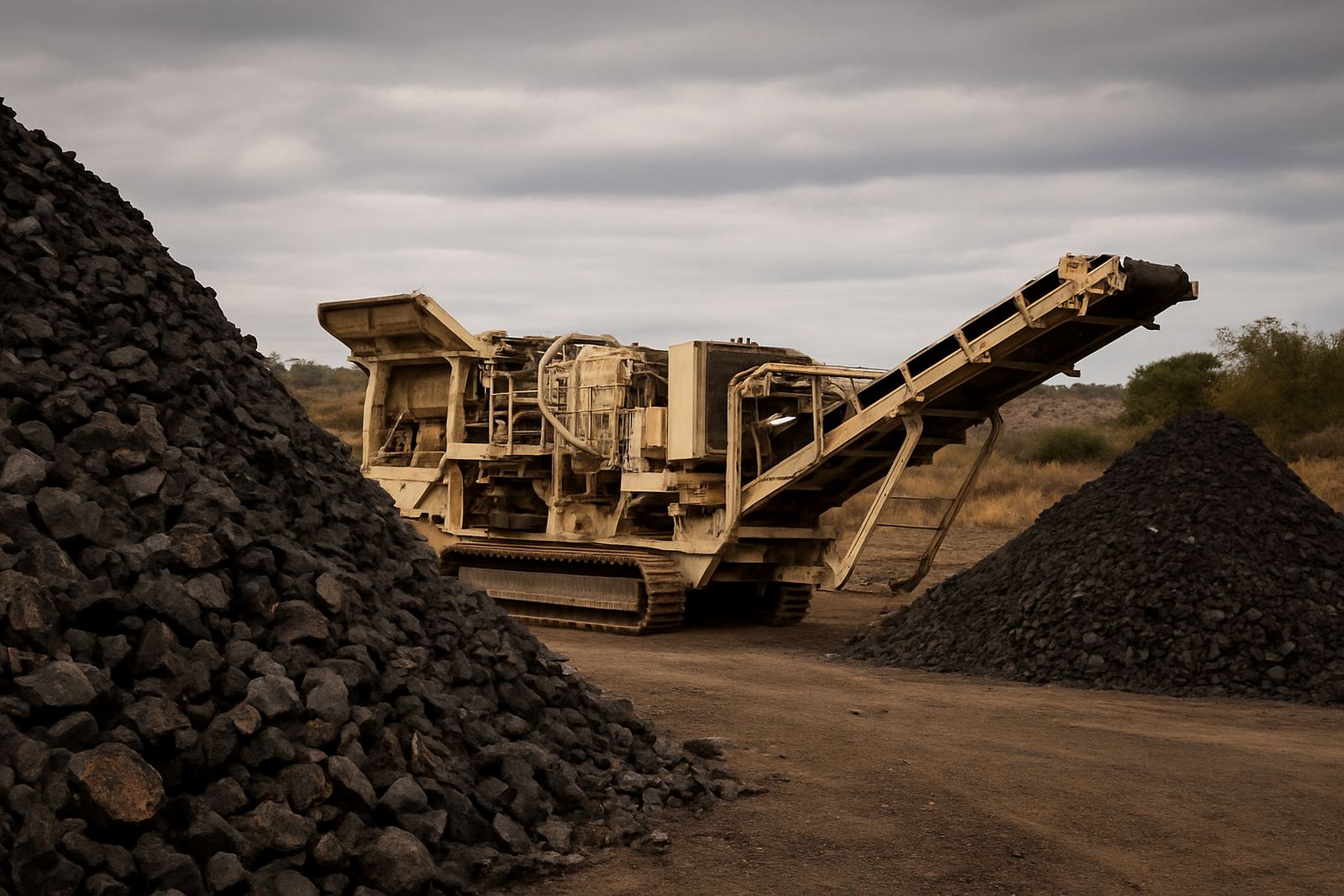
Most ballast operations use a fairly standard set-up, but the exact combination changes with rock type, tonnage and final product size. A site may run a primary jaw or gyratory unit, a cone or impact crusher for shaping, vibrating screens, surge bins, apron or belt feeders, transfer chutes, magnets and a network of conveyors. Wear parts, bearings, shafts, pulleys, idlers and motors all need attention too.
When we inspect surplus spares, the questions are practical. Does the part match the frame size? Are the mounting points intact? Is there excessive pitting, warping or uneven wear? Has it been stored indoors or left exposed to rain and dust? In coastal or humid areas, corrosion can be a bigger issue, while inland sites often deal with dry abrasion and fines getting into seals and housings.
- Crusher liners, mantles, bowls and jaw plates
- Screen meshes, side plates and spring sets
- Bearings, housings, shafts and couplings
- Conveyor rollers, pulleys and drive components
- Feed hoppers, chute liners and discharge parts
For ballast quarries that supply rail projects, we often recommend building a spare list around the wear items that stop production fastest. It is no use having one low-value spare on site if the crusher cannot run because a shaft seal or drive component is missing.
Layout And Planning Advice Before You Buy
Good planning starts with the plant layout and the way stone moves through the site. A ballast quarry usually needs enough live storage to cover changes in blasting, crushing and screening output. If stockpiles are too close together, loaders waste time. If the crusher feed area is cramped, you get spills, blockages and unnecessary tyre wear on the haul route.
Before buying surplus spares, check what can be measured on site and what must be verified from the machine plate or drawing. Take note of bore sizes, bolt patterns, shaft lengths, pulley widths and motor ratings. If a part is intended for a shutdown exchange, make sure the old unit can be removed and the replacement fitted without changing the rest of the line. One small mismatch can cost a full shift, sometimes two.
- Keep a written list of critical wear and drive parts by machine
- Match part numbers and dimensions before collection or delivery
- Allow space for palletised storage, forklifts and safe loading bays
- Separate clean spares from used scrap to avoid mix-ups
- Plan for power interruptions and have start-up spares ready after load-shedding
We also advise ballast sites to think about storage conditions. A covered yard with level paving, good drainage and lockable access will protect expensive parts far better than open ground. In Middelburg and Secunda, windblown dust is a common issue. In Rustenburg and Polokwane, yard access and security matter just as much as the part itself.
Common Mistakes That Push Up Cost And Downtime
The most common mistake is buying a part because it looks close enough. On ballast sites, close enough is usually not enough. A liner set that is a few millimetres off can affect product shape and wear life. A bearing with the wrong clearance can overheat under sustained load. Even a feeder part with the wrong bolt spacing can hold up a shutdown crew for hours.
Another mistake is storing surplus spares badly after they arrive. Parts left on bare ground in the rain can seize, pit or pick up dirt that damages seals and seats later. Forklift damage is another problem, especially when items are moved without proper palletising and wrapping. We often see good parts lose value because they were not protected during the wait for fitment.
For rail ballast customers, the risk is higher because product quality is tied directly to compliance. If the crusher is producing too much oversize or too many fines, the site may need to reprocess material or stop delivering to the rail customer until the issue is fixed. That means the right spare has value well beyond its purchase price.
Budget Ranges For Surplus Spares And Support
Budget depends on the size of the machine, the material type and whether the part is inspected, packed and delivered. Smaller support items can move at a few thousand Rand, while larger crusher components and drive assemblies can run into tens of thousands. For some rail ballast sites, a planned shutdown basket of essential spares may sit between R25 000 and R150 000, depending on how much is being replaced.
Inspection, condition reporting and storage can be a cost-saving step because they reduce the chance of buying the wrong item or holding unusable stock. If a site needs urgent sourcing across South Africa, it is often cheaper to get the correct surplus part from the start than to rush-ship a poor match and then re-order. Delivery costs also vary with weight, pallet count and destination, especially for long runs to Kathu or Pietermaritzburg.
For larger exchange jobs, we can help with local collection, palletising and packing, plus nationwide delivery from our Middelburg base. Where a part is not suitable for reuse, we can assess scrap versus exchange so the site does not tie up cash in dead stock.
How Crusher Spare Exchange Supports Rail Ballast Operations
Crusher Spare Exchange was founded in 2012 and is managed by Thabo Johannes Mokoena, with a team that handles inspection, sales, logistics and yard control day to day. Lerato Maseko oversees operations, Sibusiso Ndlovu coordinates inspections, Anika van Zyl leads sales and exchange, Mpho Rakoma manages logistics, Nokuthula Dlamini handles client support, and Johan Steenkamp controls the yard and storage area. That structure matters when a site needs clear answers quickly.
Our service is built around practical movement of surplus spares between quarries and mines. We list parts, inspect condition, store them properly, pack them for transit and arrange delivery where needed. If your rail ballast site is preparing for a shutdown, we can help build a sourcing list, check available surplus stock and confirm whether the part is fit for exchange or better treated as scrap. Clients contact us through the enquiry form on our contact page, then we work through the details from there.
- Surplus listing for reusable crusher spares
- Part inspections and condition reporting
- Yard storage and secure holding before dispatch
- Shutdown sourcing for planned maintenance windows
- Urgent spares search for unplanned stoppages
For rail ballast work, speed matters, but fit and condition matter more. We help keep both in line.