
When iron ore circuits need spares that can take punishment
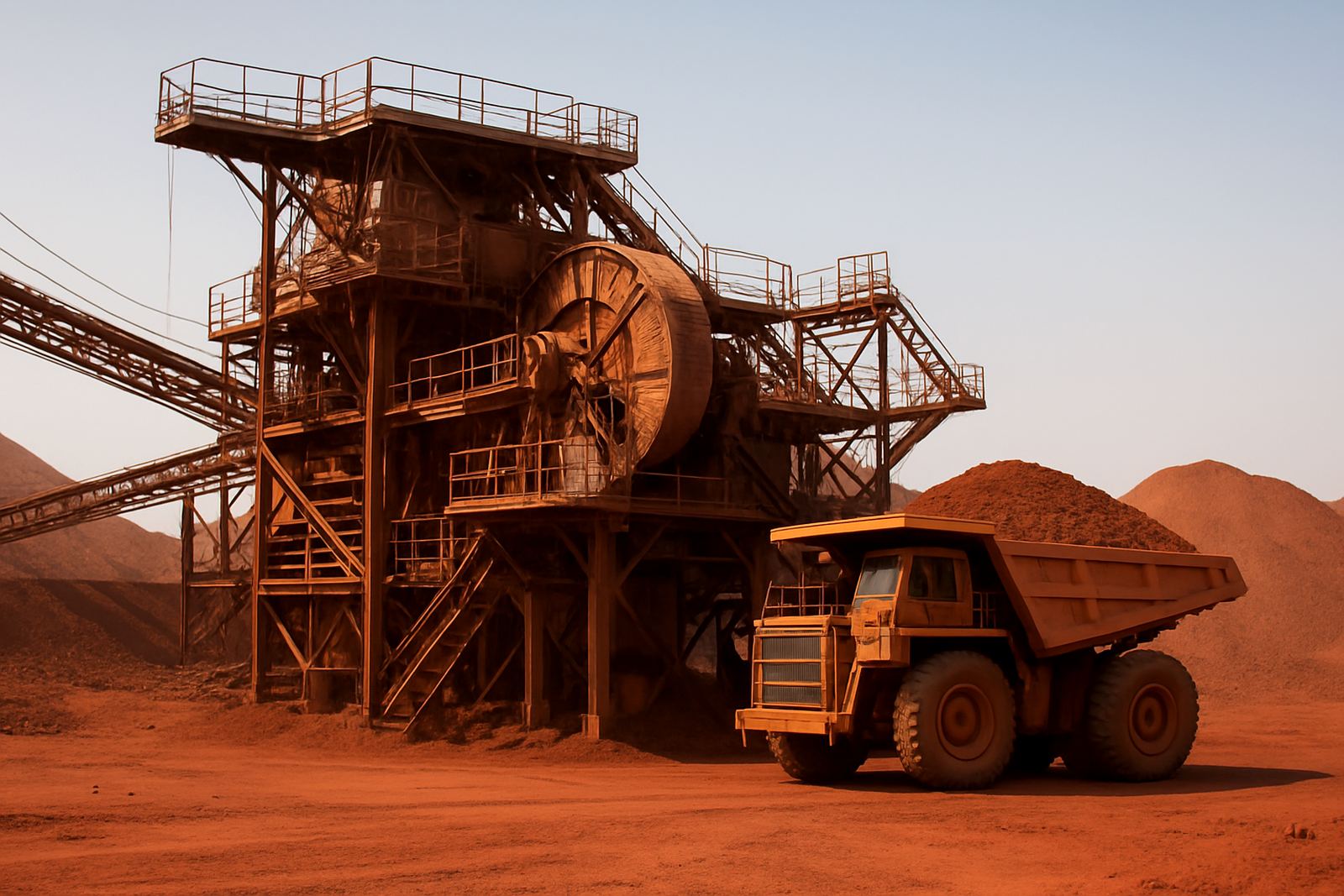
Iron ore crushing is hard on equipment. The rock is abrasive, loads are heavy, and a missed shutdown can leave feed bins full while the plant waits for one part. In places like Kathu, Rustenburg and eMalahleni, many operators carry surplus crusher spares that are still serviceable but no longer needed on site. That stock can be put back into circulation for another circuit that needs durable parts for daily production.
Crusher Spare Exchange works as a practical exchange point for surplus spares between quarries and mines. We inspect what comes in, record condition, store it safely in Middelburg, and move it where it can be used again. It is a sensible option when a site wants to reduce waste, recover value and avoid buying new parts where a sound used part will do the job.
Typical iron ore crushing equipment we see on exchange
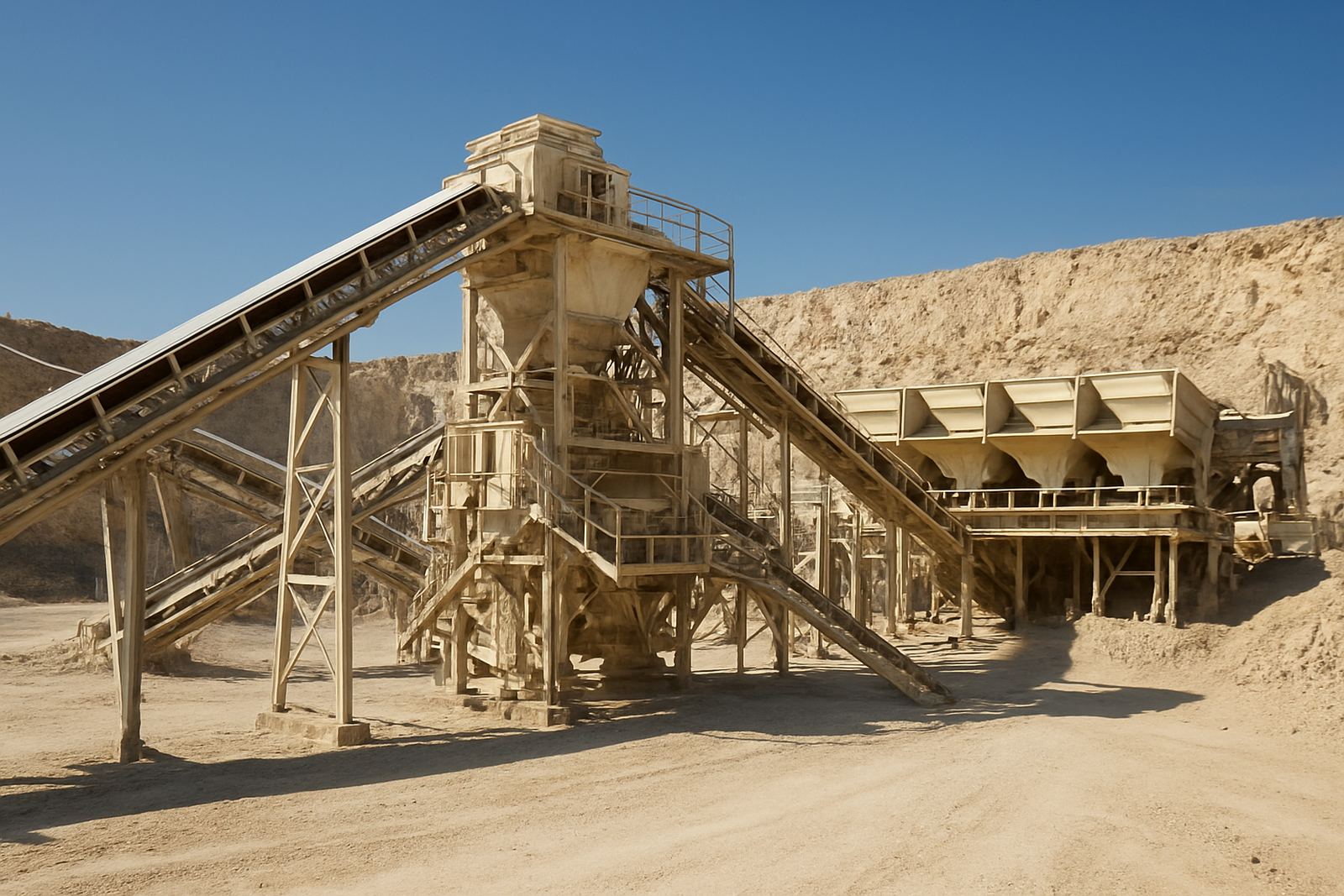
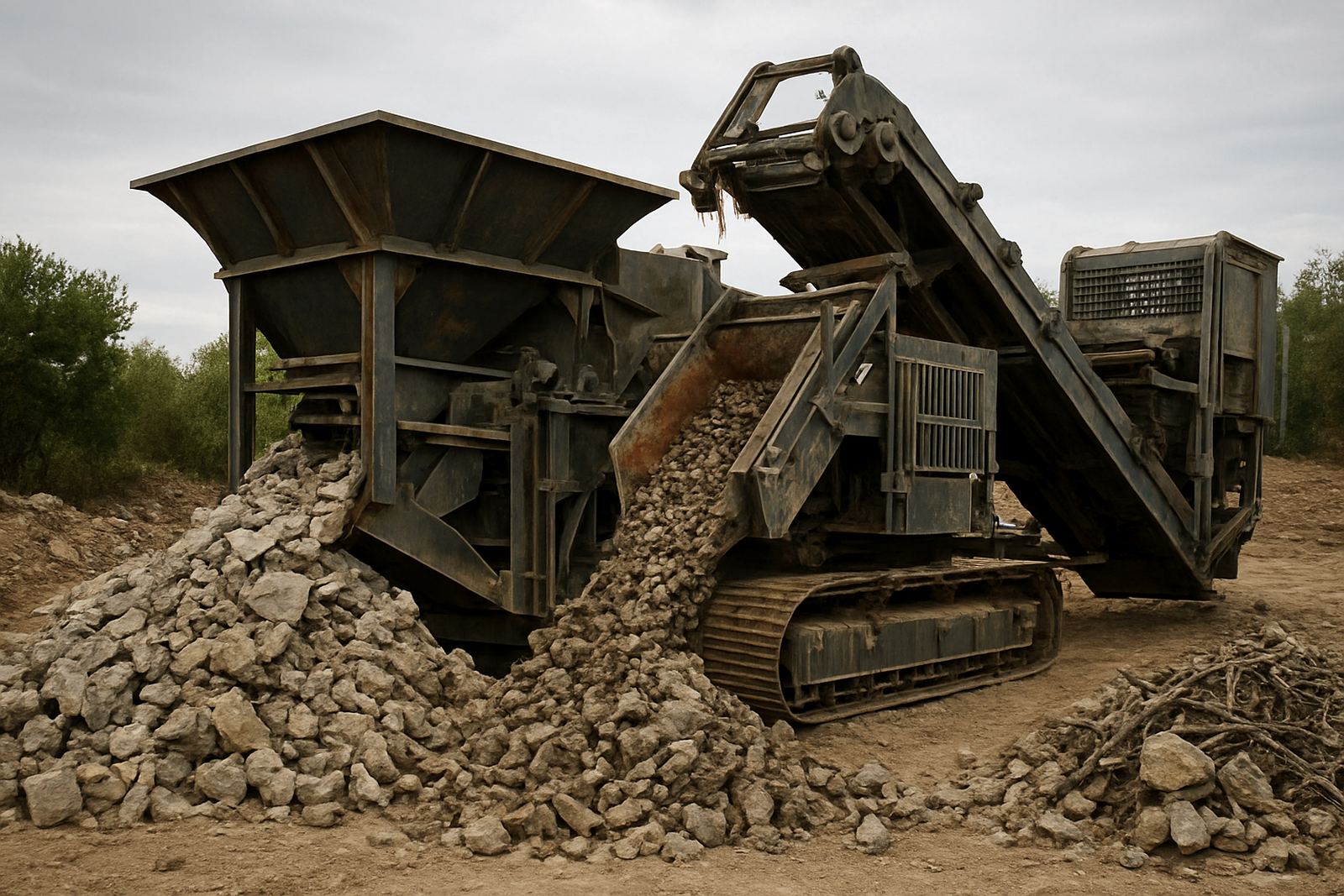
Iron ore plants usually run a mix of primary, secondary and screening equipment. The exact setup changes from site to site, but the wear pattern is similar: hard ore, dust, vibration and long operating hours. That means the parts most often exchanged are the ones that take the most impact and abrasion.
- Jaw crusher jaw dies, cheek plates and toggle components
- Cone crusher mantles, concaves and adjustment parts
- Screen panels, side liners and support frames
- Feed chutes, discharge liners and apron wear items
- Bearing housings, shafts, spacers and drive support parts
- Fasteners, backing material, guards and mounting hardware
On iron ore circuits, even parts that look small can stop a plant if they are not on hand. A cracked liner set or worn screen panel can affect product size, throughput and downstream handling, so accurate identification matters before any exchange is agreed.
How inspections and condition reports protect your shutdown plan
Our inspection process is built for practical decision making. Sibusiso Ndlovu and the inspection team check visible wear, deformation, cracking, missing fixings and signs of overheating where applicable. If a part is suitable for exchange, we log its condition clearly so the buyer knows what is being taken to site and what is still needed before fitment.
Condition reporting helps during shutdowns because the maintenance team can line up spares before a planned stop. That matters for iron ore work where a 12 hour delay can turn into a lost day of production. It also helps with budgeting, since you can choose between serviceable used stock, repairable stock or scrap value depending on the part.
- Visual condition checks before listing
- Basic fitment verification where drawings or old samples are available
- Sorting by machine type, size and wear state
- Clear notes on parts that need rework before use
Layout planning for exchange stock in a dusty plant environment
Iron ore sites need stock that is easy to identify, protect and move. If parts are left in the open next to the crusher pad, they pick up dust, moisture and handling damage. In the Highveld winter, night chill and morning condensation can add rust, while coastal routes toward Pietermaritzburg can bring extra humidity on delivery. Good layout planning reduces that risk.
We recommend setting aside a clean, level area for incoming parts, with pallet space, racking for smaller items and clear marking for each machine family. Johan Steenkamp manages yard and storage control so stock stays traceable from arrival to dispatch. For larger components, palletising and packing should be done before transport, especially when parts must pass through municipal roads, site weighbridges or long distance freight points.
- Separate incoming, approved and ready to dispatch stock
- Keep lifting points visible and protect machined surfaces
- Mark dimensions, weight and machine model on each item
- Store under cover where possible to limit corrosion
Common mistakes that cost money on iron ore spares
One of the biggest mistakes is buying or swapping parts without checking the exact machine variant. A crusher that looks similar on paper may use different hole patterns, shaft lengths or liner profiles. Another common problem is mixing scrap with usable exchange stock. If a part is borderline and nobody records it properly, it ends up taking up yard space instead of being turned into value.
It also pays not to ignore logistics. Some sites try to save on transport, then lose far more through damage during loading or unloading. A proper collection and delivery plan is cheaper than replacing bent components or paying for urgent airfreight style solutions on the next shutdown. Many teams also under budget for inspection, but a proper condition check is usually far less than the cost of a failed fitment on site.
- Do not assume all crusher parts are interchangeable
- Do not store valuable spares in damp or exposed areas
- Do not skip measurements before agreeing an exchange
- Do not send unprotected parts by rough handling transport
Budget ranges for exchange stock and delivery in Rand
Budget depends on size, wear, machine family and how urgent the request is. Smaller wear items may move through at relatively low values, while heavy liners, shafts and large support pieces can carry serious replacement cost if bought new. Exchange stock helps keep spend under control, especially where the alternative is ordering new parts from far away and waiting for lead times to clear.
As a working guide, smaller spares and hardware may sit in the low thousands of Rand, while mid sized wear components often range from about R15 000 to R80 000 depending on condition and quantity. Large crusher parts can move well above that, especially if they are in good order and needed for a shutdown. Delivery from Middelburg to regions such as Secunda, Lydenburg, Polokwane or Rustenburg is usually quoted separately based on load size, route and turnaround time. Thabo Johannes Mokoena and the team keep the process practical, so you know what is being exchanged, what is being stored and what needs to move next.
A better way to turn surplus into working stock
Founded in 2012, Crusher Spare Exchange supports quarry and mine teams that want to keep iron ore circuits moving without tying up cash in unused inventory. Lerato Maseko, Anika van Zyl, Mpho Rakoma, Nokuthula Dlamini and the rest of the team handle the exchange side, storage, collections and delivery across the Middelburg base and regional areas. If you have surplus spares to list, or you need a specific part for an iron ore shutdown, use the enquiry form on our contact page and we will take it from there.
Whether the job is in eMalahleni, Kathu, Pietermaritzburg or closer to home in Secunda and Lydenburg, the aim stays the same: put good parts back to work, cut waste and keep the plant running.