
Spare Exchange Support For Coal Discard Circuits
Coal discard plants work under hard conditions. Fine coal, dust, vibration and constant starts and stops can wear parts quickly, and when a unit goes down the whole stockpile plan can slip. We support sites that need replacement spares for discard handling and ROM size reduction circuits, with a focus on reusing sound parts that still have service life left in them.
For coal discard work, the usual pressure points are not only the crusher itself but the feed system, discharge chutes, screens, bearings, liners, motors, couplings and conveyors. If a mine in eMalahleni or Secunda is short on a critical item, a fast exchange can keep material moving while a new part is sourced or while a shutdown window is being planned. That is often better value than leaving serviceable stock on a shelf.
- Surplus crusher spares matched to coal discard applications
- Inspection and condition reporting before exchange or sale
- Storage and palletising for parts held between sites
- Collection and delivery across South Africa
Typical Equipment In A ROM Size Reduction Circuit
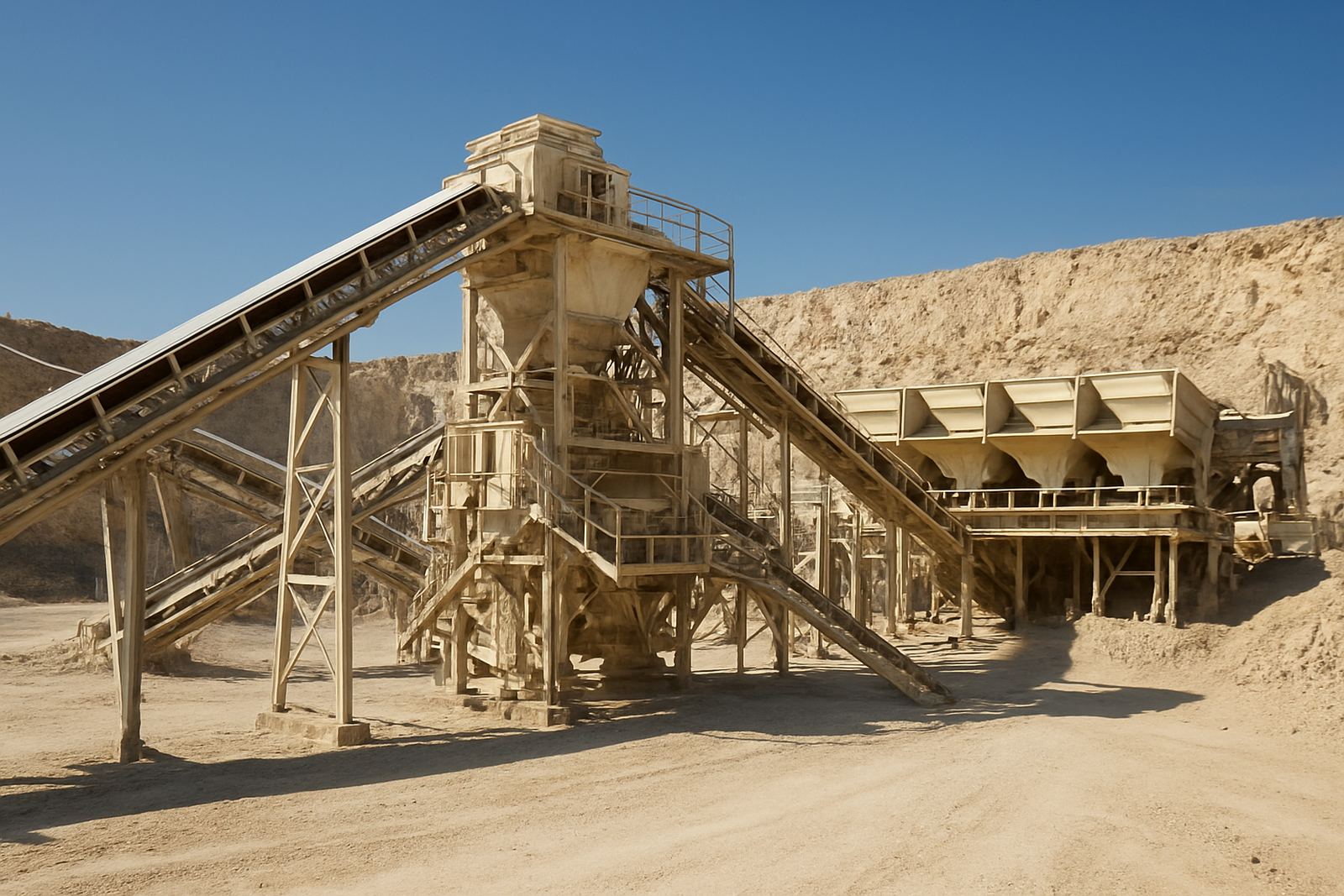
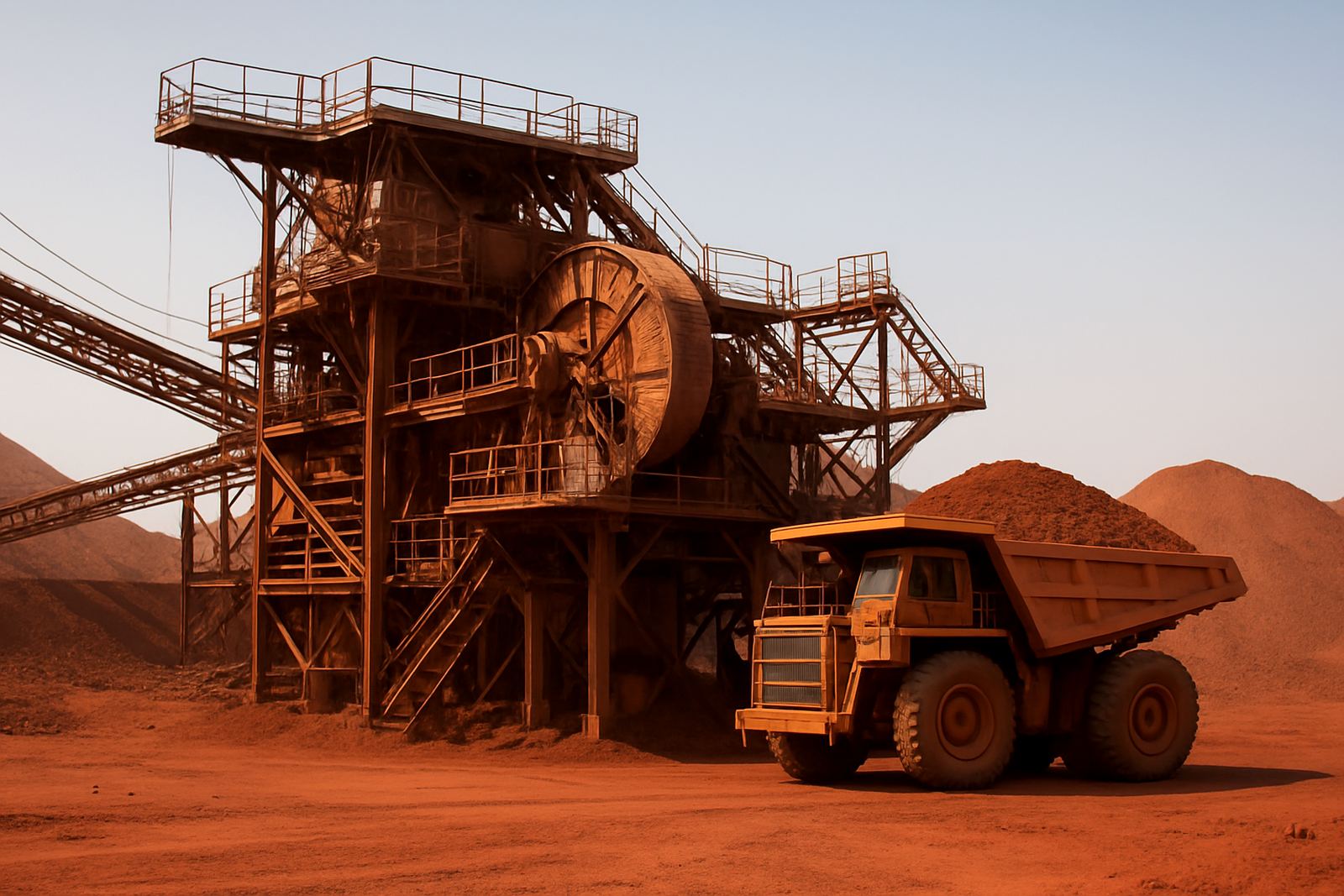
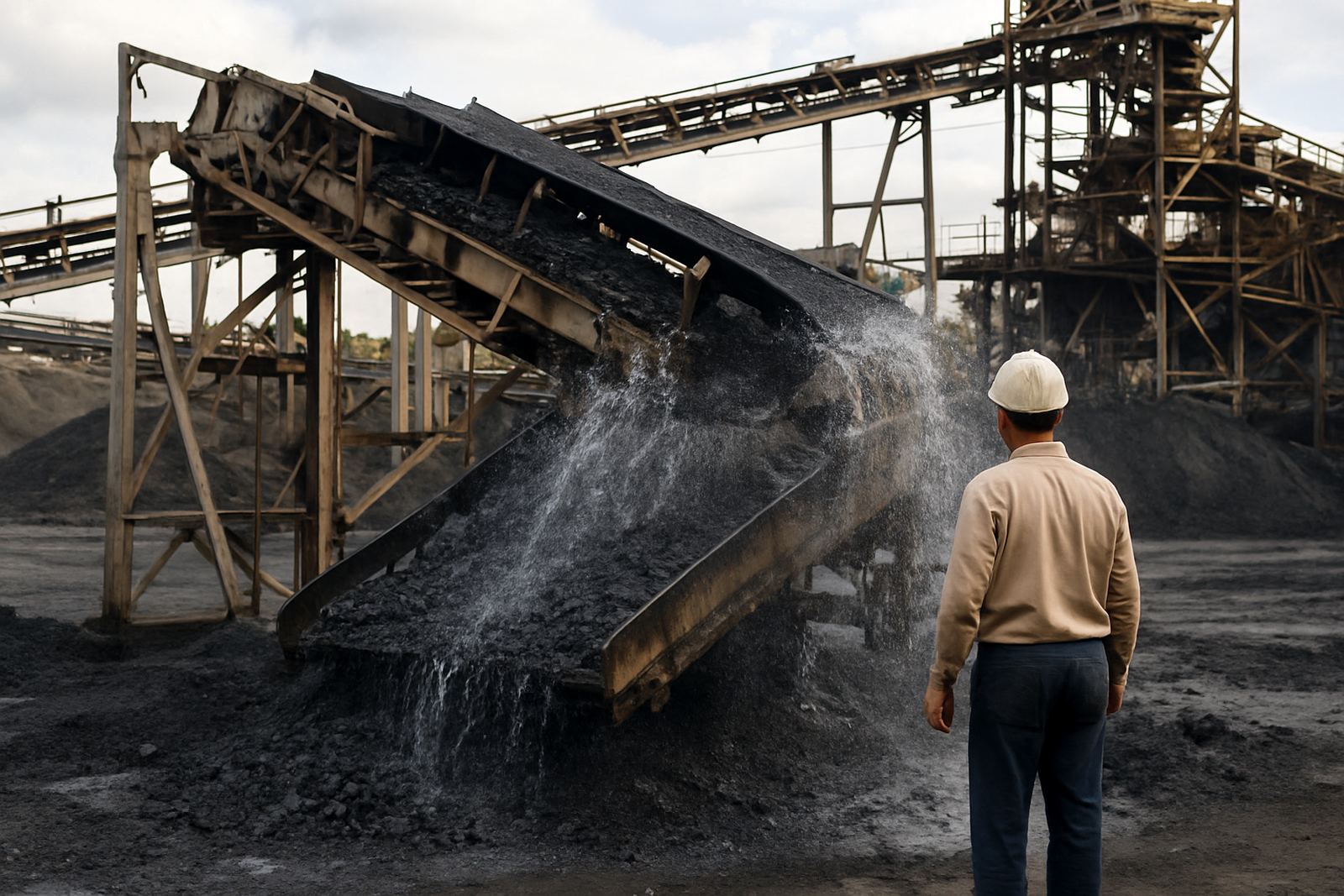
Most coal discard circuits use a mix of heavy duty equipment rather than one machine doing every job. The layout usually starts with ROM tipping, primary reduction, screening, transfer points, and stockpile handling. Depending on the mine, the plant may also include scrubbers, magnets, belt scales, and dust suppression points. In Middelburg and the wider Highveld, dust control is a practical issue, especially where wind and dry weather move fines around.
Common spare items in this use case include crusher wear parts, screen panels, shafts, screen springs, idlers, bearings, pulleys, skirting rubber, liners, hoppers, chute plates, and gearbox related components. We also see demand for structural wear plates and guarding, because coal discard plants often run in shifts and small failures can become big delays by the next morning.
- Primary and secondary crusher spares
- Screen and vibrating equipment parts
- Conveyor and transfer point components
- Wear liners, chute plates and impact protection
- Motors, couplings, bearings and drive items
Where the plant runs through load-shedding, it is worth checking whether the spare package supports restart loads and repeated stop start duty. A motor that looks fine on paper can still be the wrong choice if the site sees frequent interruptions and heavy starting conditions.
Layout And Planning Advice For Mine Site Exchange Work
Good planning starts with identifying which items are critical and which can be held as exchange stock. For coal discard plants, the best approach is usually to keep a small list of the parts that stop production immediately, then separate the slower moving items that can be stored at the Middelburg yard or at site. That makes it easier to plan shutdown sourcing and avoid paying for urgent freight on every job.
We recommend checking access roads, lifting points, packaging sizes and storage conditions before any exchange. In places like Kathu, where heat and dust can be severe, packing and storage need to protect seals, bearings and electrics. Along the coast and even in wetter inland areas near Pietermaritzburg, humidity can affect stored parts if they are left exposed. A proper pallet, wrap and label system matters more than people think.
Some municipal and site rules also affect collections and deliveries. The truck route, offloading times, permit needs and security procedures should be confirmed before the part leaves the yard. If a site only allows deliveries during a narrow shift window, a missed delivery can cost a full day of production.
- Confirm part numbers, sizes and mounting points before removal
- Separate fast moving spares from long term reserve stock
- Protect stored parts from dust, moisture and rust
- Plan lifting and transport around site access rules
Common Mistakes We See At Coal Discard Plants
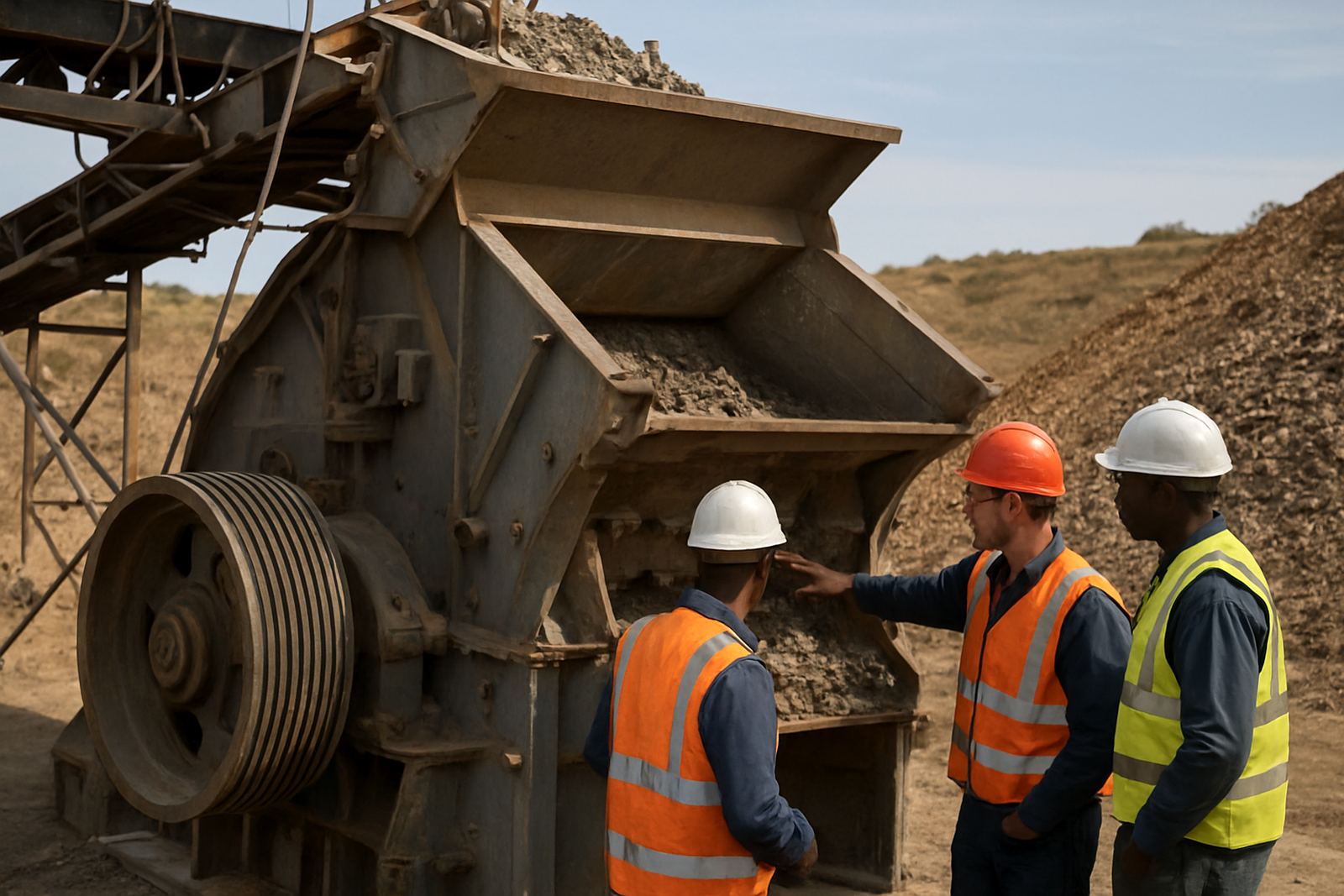
One of the biggest mistakes is to treat every used part as scrap or every old part as fit for reuse. Neither is safe. A proper inspection looks at wear, cracks, alignment, surface damage and missing fixings. If a part is only partly serviceable, it may still be useful in exchange but not for immediate fitment. That distinction saves money and avoids repeat breakdowns.
Another common problem is ordering only the headline item and forgetting the supporting pieces. A crusher liner can arrive, but if the bolts, wedges or seals are missing the machine stays down. We also see plants where the wrong dimensions are taken on site, then the part arrives and does not suit the frame or mounting pattern. A few millimetres can matter.
Coal discard circuits also suffer when storage is unmanaged. Parts left on bare ground, stacked in the rain or mixed without labels are harder to trace and harder to value. If you are moving stock between Middelburg, Rustenburg, Polokwane and other regions, clear tagging and condition notes are essential for honest exchange work. It keeps everyone on the same page and avoids disputes later.
Budget Ranges For Spares, Exchange And Recovery
Budget depends on the part type, condition, inspection level and whether the item is being bought outright, exchanged, or held on consignment. For coal discard plants, smaller wear items may sit in the low thousands of Rand, while larger crusher and conveyor components can run into the tens of thousands. Fully rebuilt assemblies or heavy fabricated parts can go higher, especially when transport and shutdown timing are included.
As a practical guide, many sites set aside a small monthly reserve for urgent spares and a separate shutdown budget for planned replacements. That helps when a screen panel or bearing set fails unexpectedly. It also makes it easier to compare scrap value against exchange value, which is often more useful than letting an item sit in a yard until it loses all value.
We help clients weigh up scrap versus exchange on a case by case basis. In some cases a part is only worth its metal value. In others, a cleaned and checked item can be returned to service or moved to another plant with the right fitment. That can save a mine a fair amount over the course of a year.
How We Work Across Mine Regions And Shutdown Windows
Crusher Spare Exchange operates from Middelburg, Mpumalanga and supports listings, inspections, storage and delivery for surplus spares between sites. Our team works with mine and quarry clients across eMalahleni, Rustenburg, Polokwane, Kathu and Pietermaritzburg, as well as Secunda and Lydenburg. Thabo Johannes Mokoena oversees the business, with support from Lerato Maseko, Sibusiso Ndlovu, Anika van Zyl, Mpho Rakoma, Nokuthula Dlamini and Johan Steenkamp.
For coal discard plants, the most useful service is often a mix of urgent search and planned exchange. We can help during shutdowns, when a plant needs specific spares in a short time, or when a site has surplus stock that could be reused elsewhere. That keeps useful parts in circulation and reduces waste on mine sites.
- Surplus listing for usable spares no longer needed on site
- Part inspections and condition reporting before exchange
- Local collections and nationwide delivery
- Fitment checks for practical compatibility before dispatch
- Consignment sales where stock needs to be moved without a rush sale
If your coal discard circuit needs a replacement item, or you have stock that should be turned into value rather than scrap, send an enquiry through the contact page and we will take it from there.