
Why granite quarries need a tighter spares plan
Granite is unforgiving on crushing circuits. Jaw plates, cone liners, blow bars, mantles, concaves, screens and conveyor wear items can disappear faster than expected when the feed is tough, dusty and uneven. In many hard stone quarries, a single missed part can hold up a shift, and every hour lost can mean product delays, overtime and extra diesel on mobile plant.
For sites around Middelburg, eMalahleni, Rustenburg and Polokwane, the pressure usually comes from three sides: high wear rates, long lead times on replacements, and storage yards filling up with surplus items that no one has time to sort. That is where a managed exchange process helps. Instead of keeping old spares on a shelf because they might be useful one day, quarries can inspect, classify and move those parts into the market where another site can use them.
Typical granite circuit equipment and spare parts
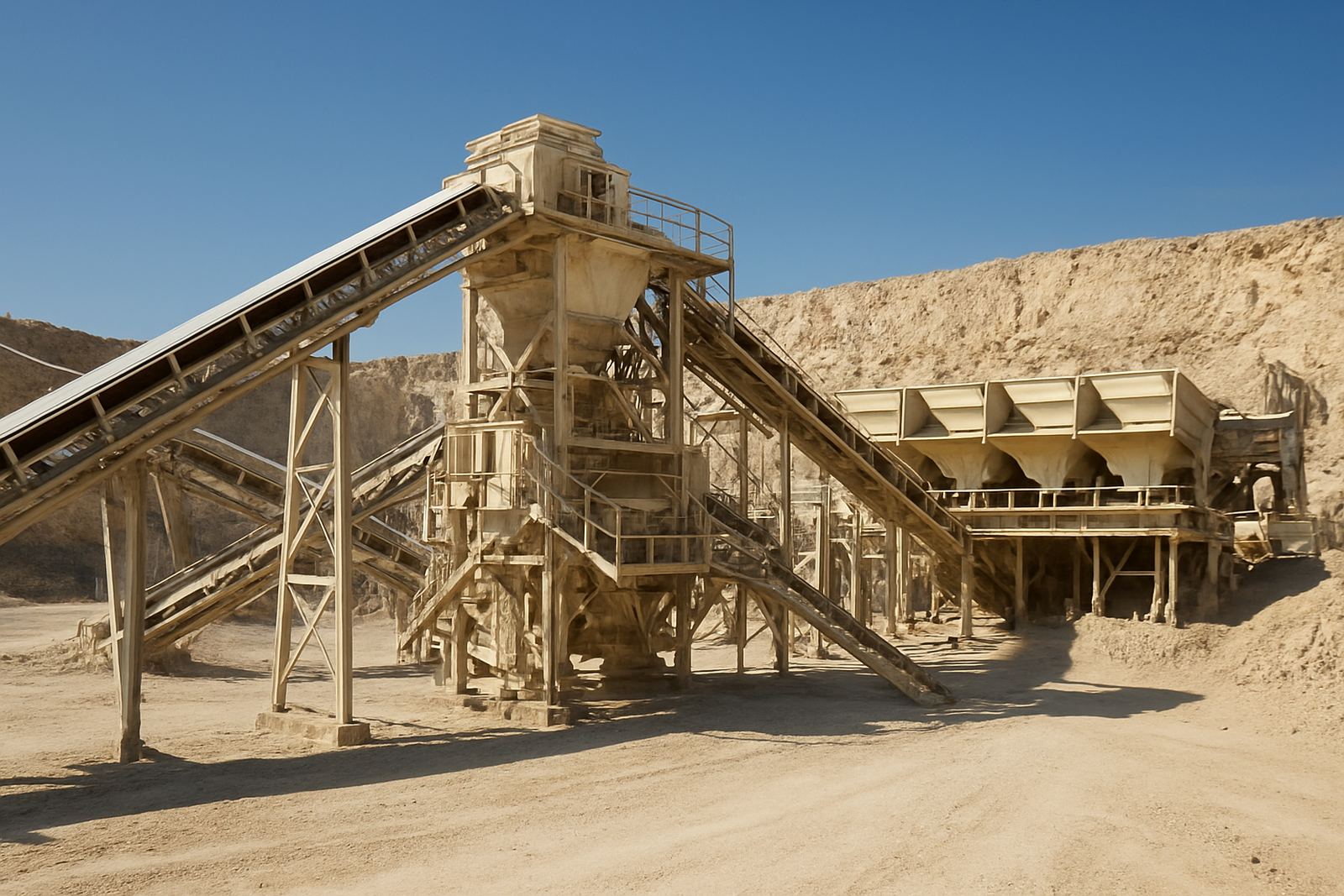
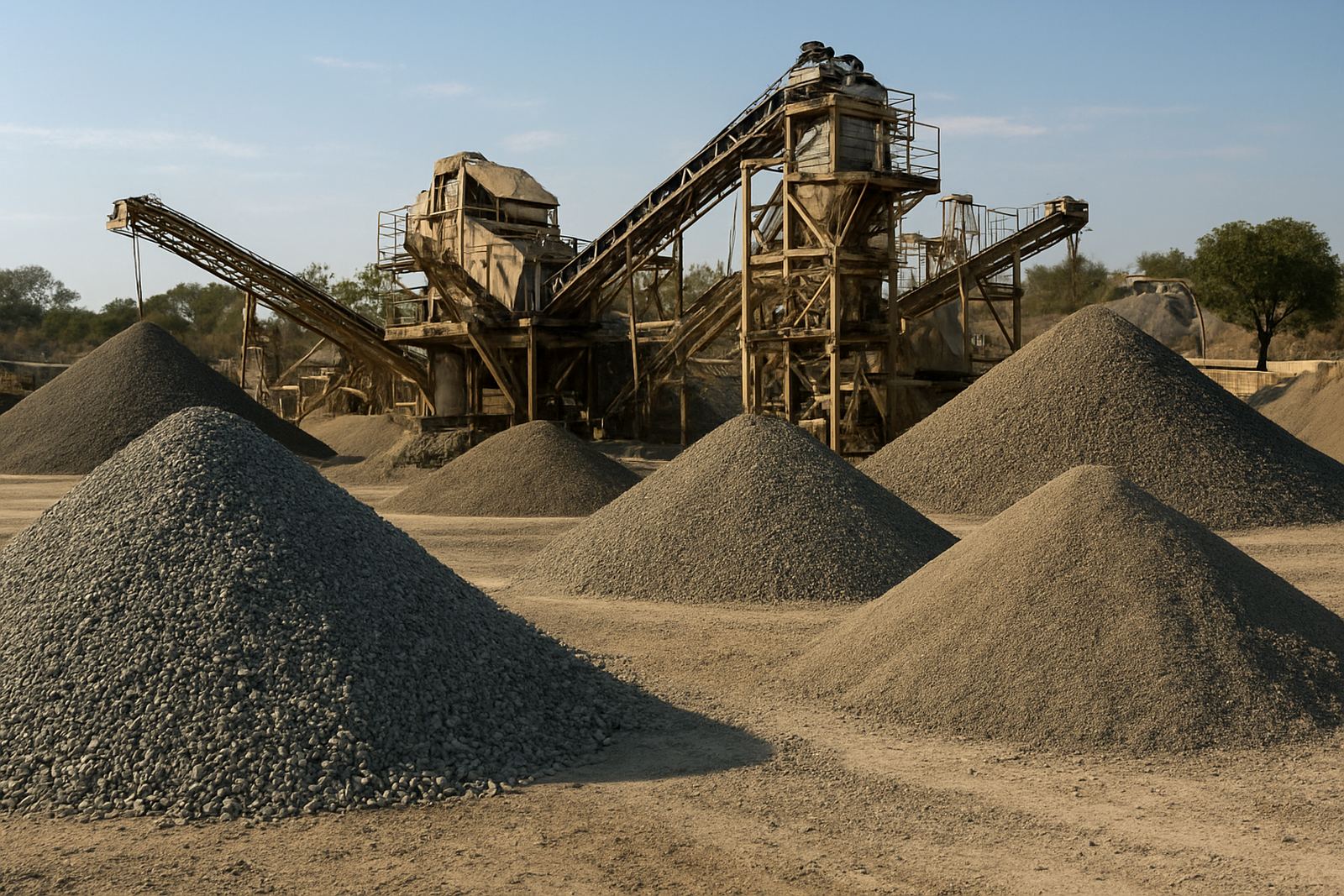
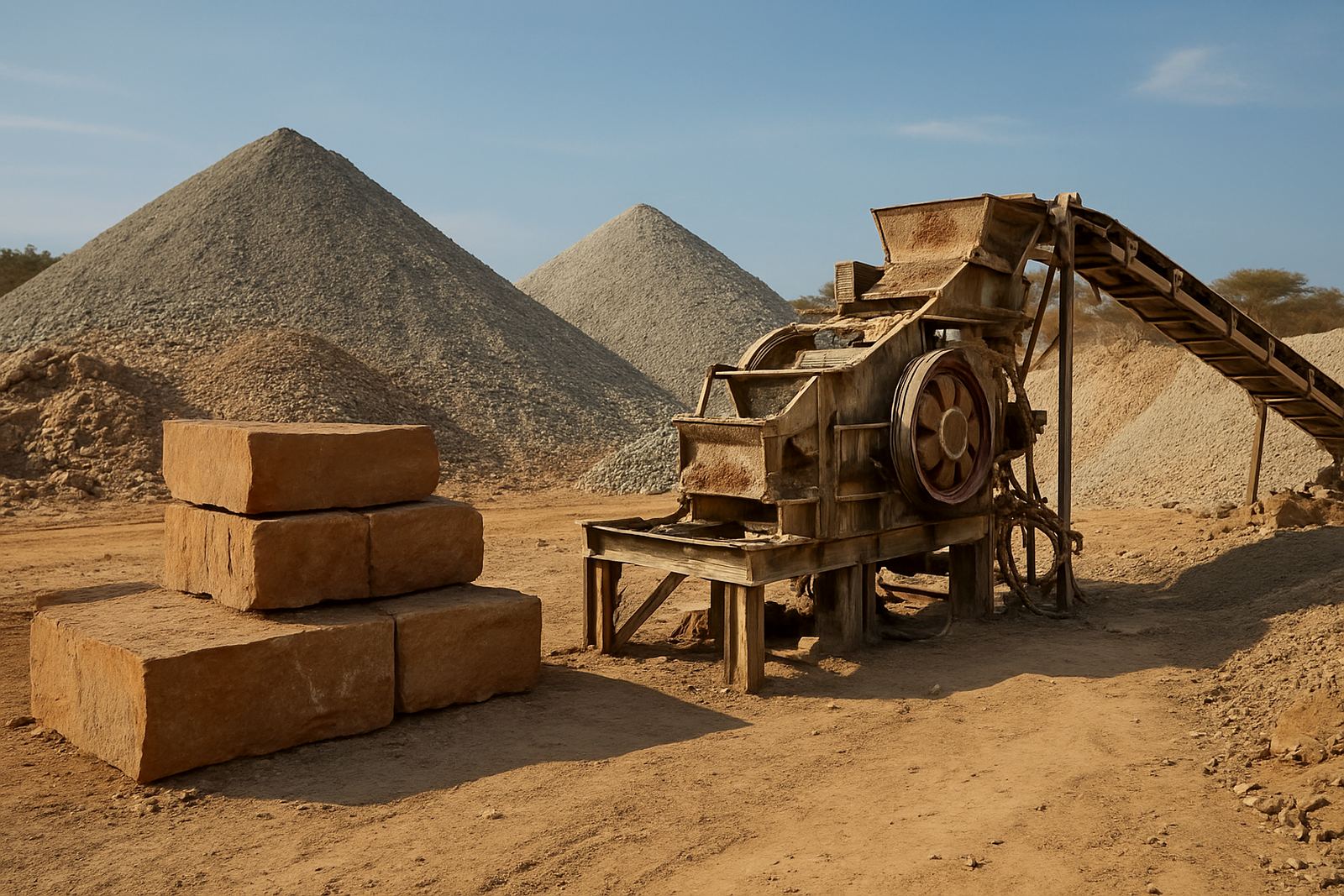
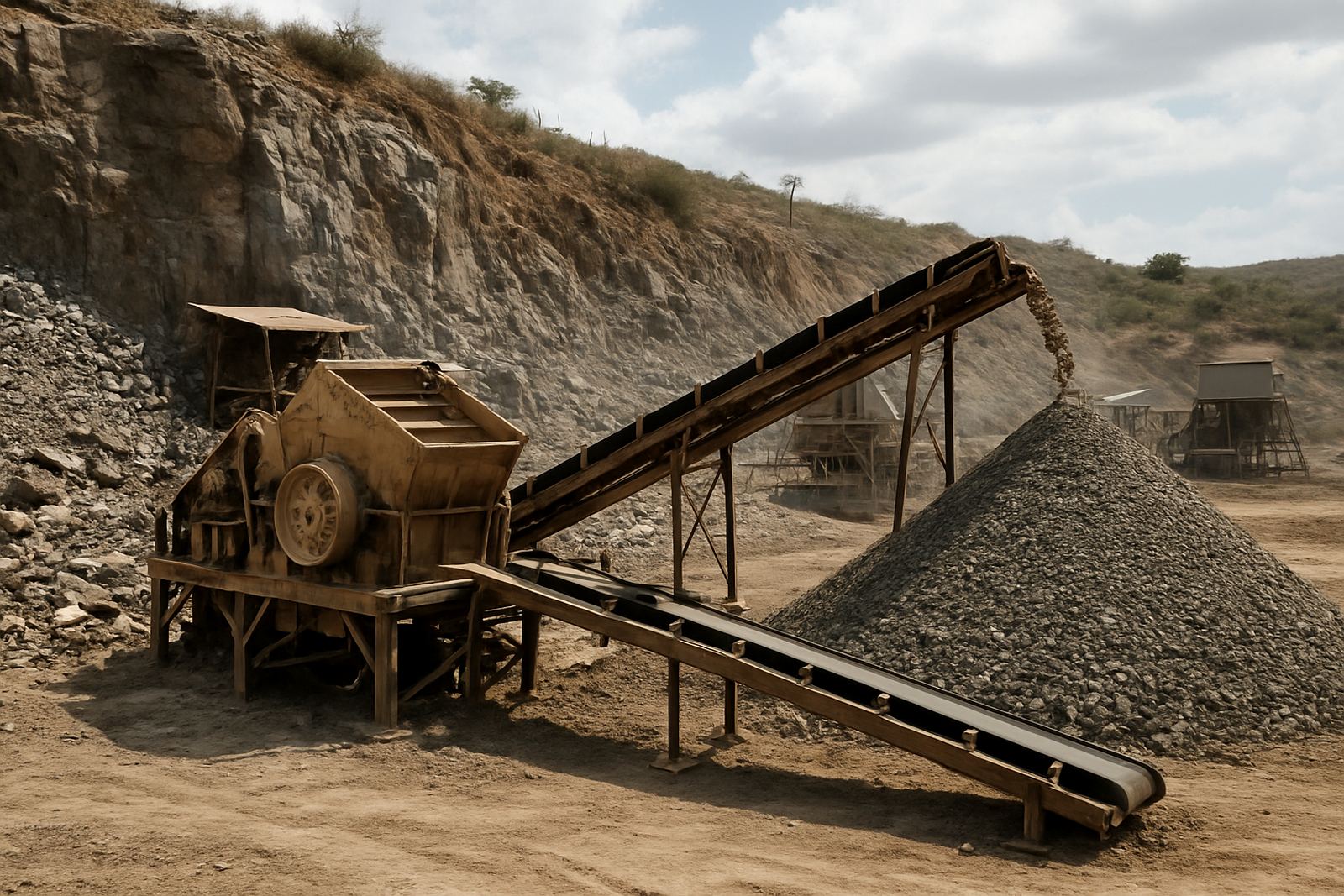
Every granite quarry has its own layout, but the wear pattern is similar across jaw, cone and screening circuits. Crusher Spare Exchange supports surplus parts from fixed plants, mobile crushing spreads and quarry support equipment, including items for feeding, crushing, screening and stockpile handling. We work with parts that are still serviceable, parts that need honest condition notes, and scrap items that are only fit for metal recovery.
- Jaw crusher wear parts such as fixed jaws, swing jaws and cheek plates
- Cone crusher components including mantles, concaves, bowl liners and seal parts
- Screen media, side plates and support wear items
- Conveyor rollers, skirting wear strips and chute liners
- Hydraulic, lubrication and mounting accessories where fitment can be confirmed
When a quarry sends through surplus stock, Sibusiso Ndlovu and the inspection team look at visible wear, crack risk, dimensional fit and whether the part can be listed for exchange, consignment or scrap recovery. That saves time later when a buyer in Kathu or Pietermaritzburg needs a part fast and cannot wait for guesswork.
Layout and storage advice for hard stone sites
Granite yards need order, especially where dust, rain and machine traffic all meet in the same space. In Middelburg and Secunda, wind-blown grit can get into unwrapped parts. On the coast or near Durban traffic routes, moisture and salt air can start surface rust very quickly. Good storage is not fancy, it is practical: palletise, tag, cover and keep stock off the ground.
We usually advise quarry teams to separate parts into three groups. Serviceable exchange stock should stay clean and identified. Unverified items should be held for inspection before they clog the main yard. Scrap should be cleared promptly so it does not get mixed back into useful stock, which is a common mistake and it creates confusion during shutdowns.
- Use pallet racking or timber sleepers to keep heavy wear parts off wet concrete
- Mark each part with crusher model, size, wear condition and date received
- Keep high value items in a locked area, especially during load-shedding and night shifts
- Plan a small receiving area for collections, packing and dispatch paperwork
Common mistakes that cost granite quarries money
One of the biggest mistakes is holding too many old spares without checking whether they are still useful. A quarry might keep a batch of liners for years, then find the casting has worn beyond spec or the pattern no longer matches the machine in service. Another common issue is poor identification. If a part arrives without dimensions or machine details, it can sit in storage for months and lose value.
Some sites also under-budget for exchange work and then have to buy new parts at the last minute. A better approach is to plan around annual shutdowns, expected wear rates and critical stock levels. For granite operations, a sensible monthly allowance for surplus handling, inspections and short-term storage can range from about R15 000 to R60 000, depending on yard size and movement volume. Larger multi-site operations may need more, especially if collections and nationwide delivery are involved.
Another costly mistake is ignoring fitment checks. A part can look right on a pallet but still fail at the machine because of the wrong profile, bolt spacing or crusher variant. Lerato Maseko and Anika van Zyl often help teams avoid that by checking what is on hand against what the site actually runs, before any exchange is confirmed.
How we support shutdowns, urgent searches and delivery
Granite quarries rarely get long notice when something fails. A crusher trip can turn into a shutdown search by lunchtime. That is why our process includes urgent spares search, shutdown sourcing, local collections and nationwide delivery. From the Middelburg base, Mpho Rakoma coordinates movement between yards, mines and quarry sites so parts can be collected, packed and sent without delay.
For larger shutdowns, we recommend building a list of critical wear parts at least 2 to 4 weeks ahead where possible. If the circuit is running hard, that list should include at least one backup set for the highest wear items. During peak demand, delivery into Rustenburg or Polokwane may need an extra day for route planning, especially when access rules, weighbridge times or municipal entry times affect movement.
- Local collections from quarry yards and mine stores
- Palletising and packing for heavy or awkward parts
- Fitment checks before dispatch where the machine details are confirmed
- Consignment sales for spare parts that are worth more than scrap value
Budget ranges for granite quarry spare exchange
Budgets depend on the plant size, the age of the circuit and whether the quarry is buying, selling or both. A small hard stone site might only need a few key exchanges each month, while a busy multi-shift operation may move stock weekly. For planning purposes, many granite quarries set aside separate lines for inspections, storage and transport instead of trying to absorb it all under general maintenance.
As a working guide, a light monthly exchange programme can sit in the region of R10 000 to R25 000. Mid-level sites that need regular inspections, packing and regional delivery often land between R25 000 and R80 000. Larger operations with shutdown sourcing, multiple crushers and cross-province deliveries can run above R100 000 in a busy month, especially when urgent parts are involved. These figures are not fixed, but they help maintenance teams and procurement managers plan better before a breaker plate or liner set fails at the wrong time.
Thabo Johannes Mokoena leads the business from the Middelburg base, with support from Johan Steenkamp on yard control and Nokuthula Dlamini on client coordination. The aim is simple: keep good parts moving, reduce waste and give granite quarries a practical way to manage surplus spares without unnecessary cost.