When an aggregate plant needs spares fast
Concrete aggregate plants work on tight tolerances. If a jaw, cone or screen stops making correct product sizing, the whole readymix schedule starts slipping and trucks wait at the gate. In Middelburg, eMalahleni, Rustenburg and the mining belt, many plants keep surplus parts after upgrades, shutdowns or changes in production. That stock can be put back into use instead of lying under shade cloth or rusting in a yard.
Crusher Spare Exchange is set up for that practical problem. We help teams list usable surplus crusher spares, check condition, and move parts between quarries and mines that still need them. It suits plants that run on daily tonnage targets, where a missed screen media change or delayed liner delivery can cost a full shift.
Typical plant equipment that passes through exchange
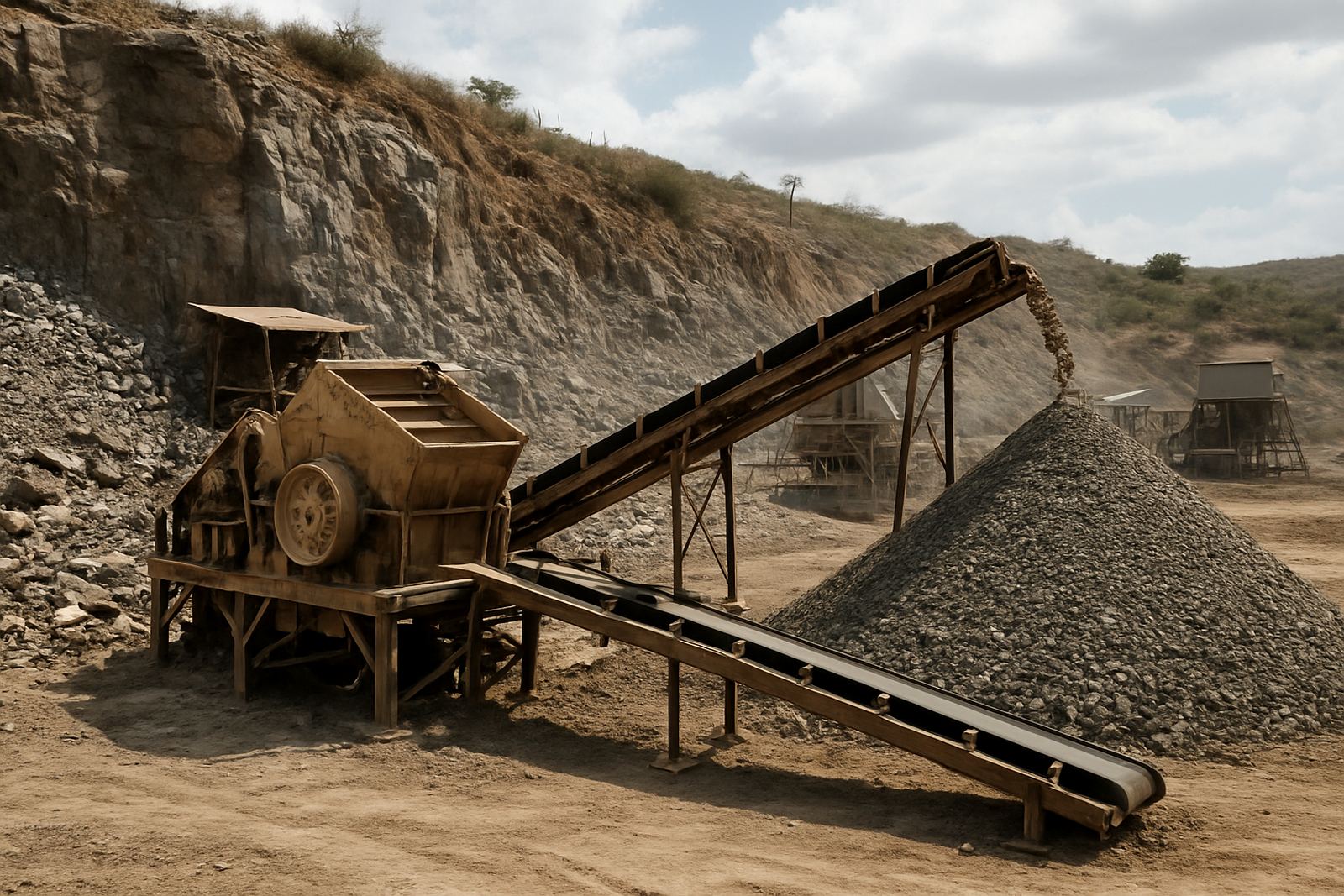
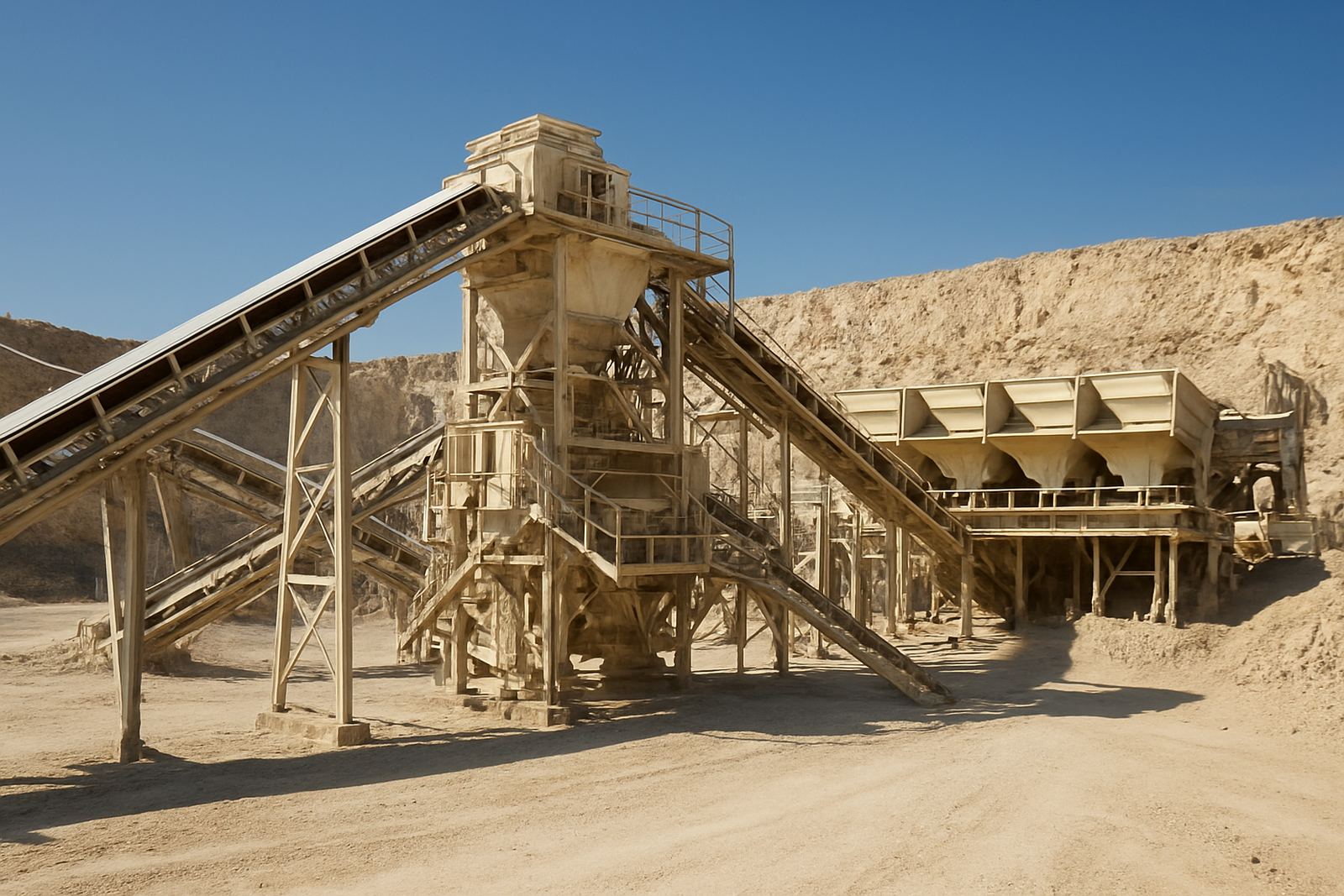
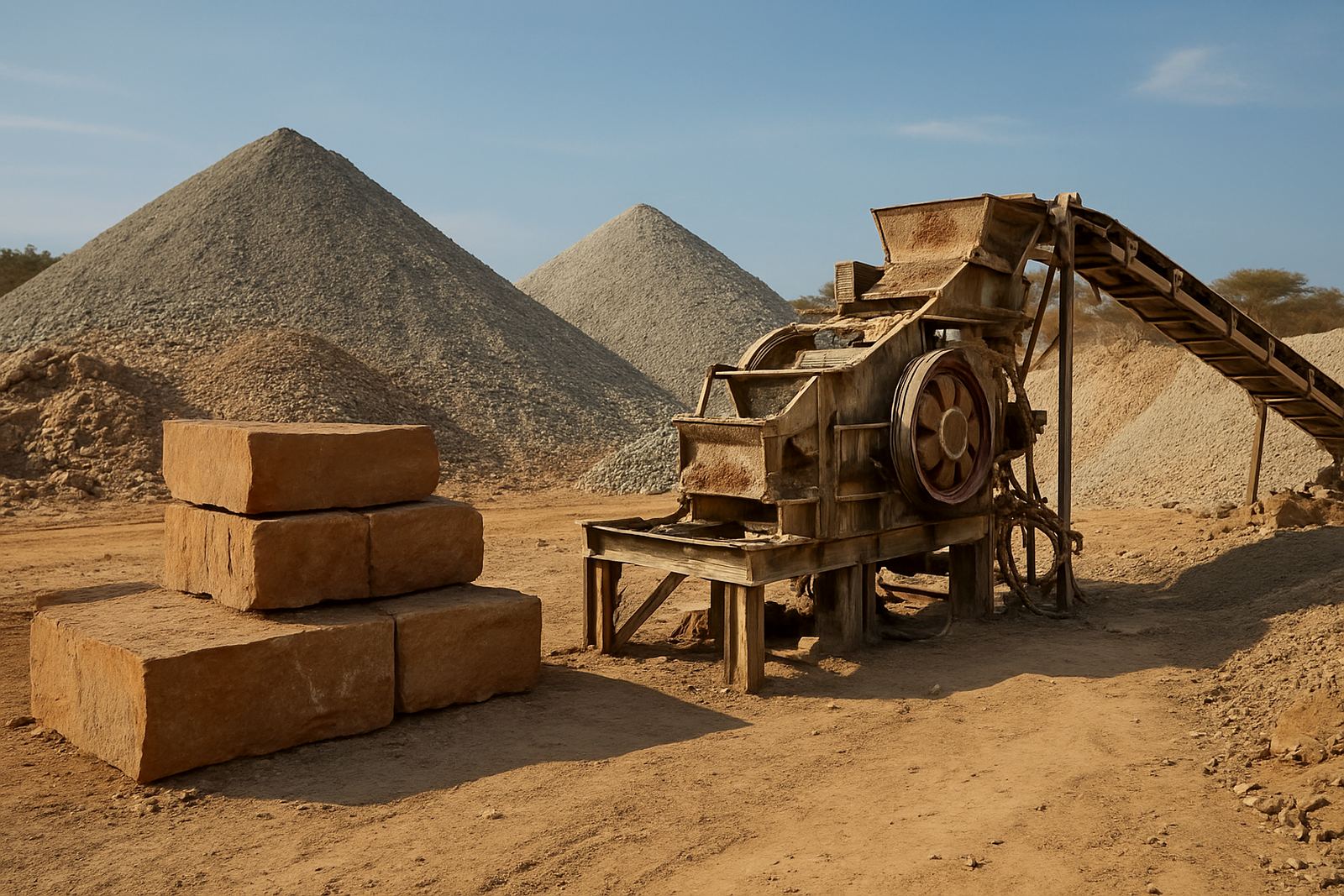
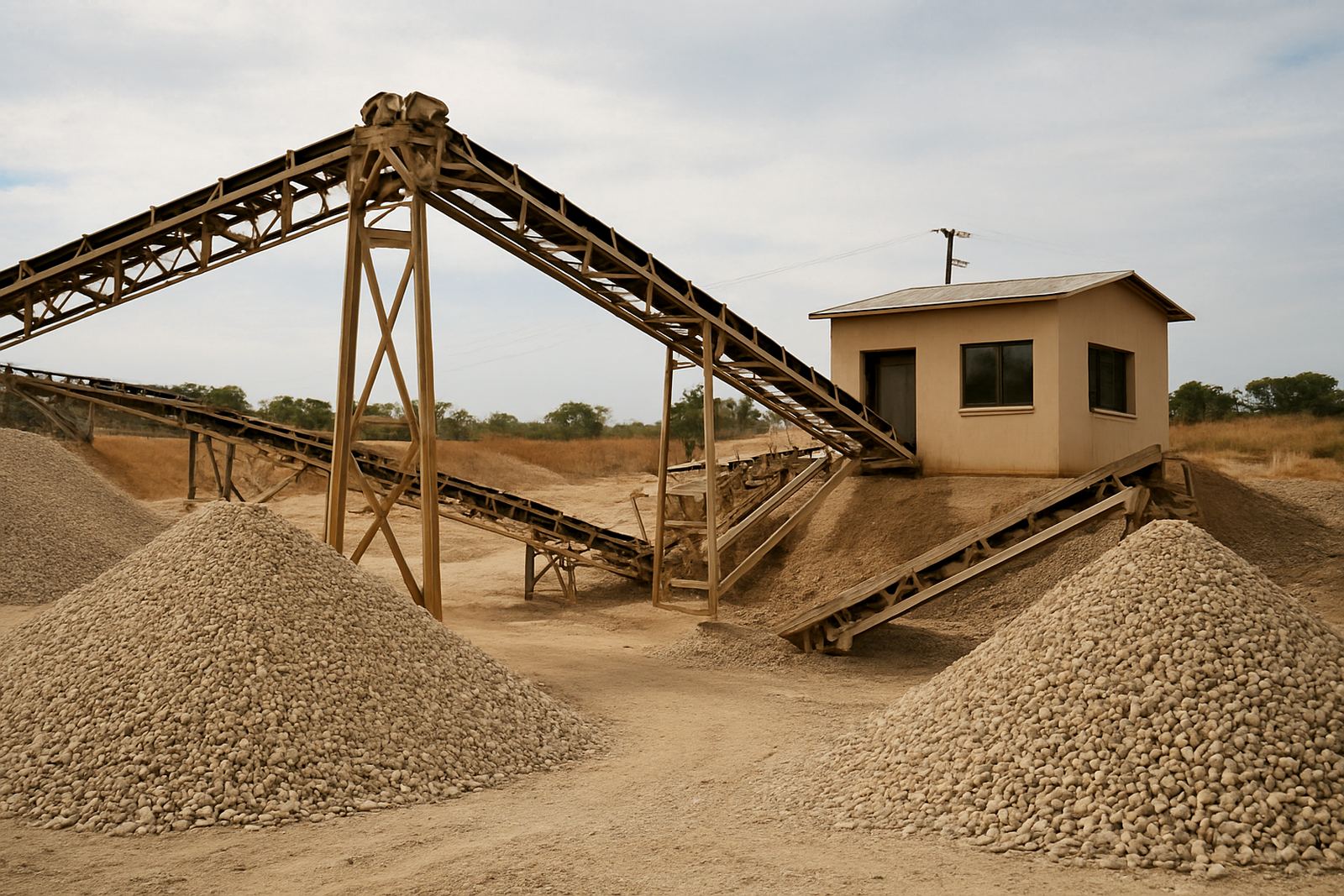
Most concrete aggregate sites use a mix of crushing, screening and conveying equipment. The exact layout changes by rock type and output size, but the spare parts list is usually familiar. A lot of the value sits in worn but serviceable components that still have life left in them after the right inspection.
- Jaw crusher spares such as cheek plates, toggle parts and pitman-related items
- Cone crusher parts including mantles, bowls and adjustment components
- Screen parts like mesh panels, springs, shafts and vibration components
- Conveyor items such as pulleys, idlers, scrapers and drive-related spares
- Feeder and chute parts for material control and wear protection
- Fasteners, liners, wear plates and fitted accessories for maintenance work
Some parts are boxed and ready. Others need cleaning, measuring and a proper condition note before they can move. That is where inspection and reporting matter, especially when a buyer is trying to source for a shutdown window or a quick repair between rains.
Planning the yard so usable spares do not get lost
A good exchange yard is not just a pile of steel under cover. For aggregate plants, storage needs to be sorted by machine type, size, wear stage and whether the part is fit for immediate use or better suited to reconditioning. In coastal humidity areas like Pietermaritzburg, or in dusty inland yards near Kathu and Polokwane, parts should be palletised, tagged and kept off the ground so corrosion and damage do not add extra cost.
We advise clients to keep a clear split between serviceable stock, items pending inspection, and scrap that should be sold off. With local collections and nationwide delivery, parts can move from a secure yard in Middelburg to a plant that needs them within a planned turnaround. For shutdown sourcing, the earlier the list is shared the better, because plant managers often need to match the spares to a specific frame size or model before the crew arrives.
- Use legible part tags with machine model, dimensions and condition notes
- Separate heavy items from smaller wear parts to avoid damage during loading
- Keep a record of what has been measured, cleaned and photographed
- Store under cover where possible to reduce rust and contamination
Common mistakes that push costs up
One of the biggest mistakes is holding on to every part just in case. A yard full of mixed steel can hide the pieces that are actually useful. Another issue is accepting a part without checking the wear pattern or the exact fit. A few millimetres off on a crusher component can mean the item sits idle while the plant keeps waiting for a proper match.
We also see teams underestimating handling costs. A large liner or screen assembly may look like a bargain, but if it needs extra rigging, palletising or long-distance delivery the saving can disappear quickly. The same goes for rushed purchases during load-shedding or after a breakdown, when buyers skip condition reporting and end up with unusable stock. It is better to ask for a proper fitment check than to guess.
Budget ranges for used aggregate plant spares
Budgeting for surplus parts depends on size, wear and urgency. Smaller consumables can be relatively affordable, while major crusher assemblies or screen components may run much higher. The point of exchange is to keep good parts in circulation and reduce waste, not to push every item into a scrap bin.
As a rough working guide, smaller wear items may sit in the hundreds to low thousands of Rand, medium-sized components often land in the low thousands to tens of thousands, and larger crusher or screening parts can reach into the higher tens of thousands depending on condition and demand. Urgent spares search, inspection and delivery can add to the total, but that is often less than a full replacement order. For plants managing readymix supply and municipal contract work, that difference matters on month end.
- Small wear parts: around R500 to R5 000
- Mid-range components: around R5 000 to R25 000
- Large assemblies and high-demand parts: around R25 000 and up
How Crusher Spare Exchange supports plant managers
Our Middelburg base supports listings, inspections, storage and delivery for surplus crusher spares moving between quarries and mines across South Africa. The team, led by Thabo Johannes Mokoena, works with Lerato Maseko on operations, Sibusiso Ndlovu on inspection coordination and Anika van Zyl on sales and exchange. Mpho Rakoma handles logistics, Nokuthula Dlamini manages client support, and Johan Steenkamp oversees the yard and storage flow.
If you are clearing out old stock, sourcing a part for a shutdown, or checking whether a used component is worth fitting, the process starts through the enquiry form on our contact page. That keeps the search focused and gives the right team time to confirm fit, condition and transport before anything moves. It is a practical way to keep aggregate plants supplied without paying for unnecessary new stock when good surplus parts are already available.