
What We Check Before a Part Is Listed
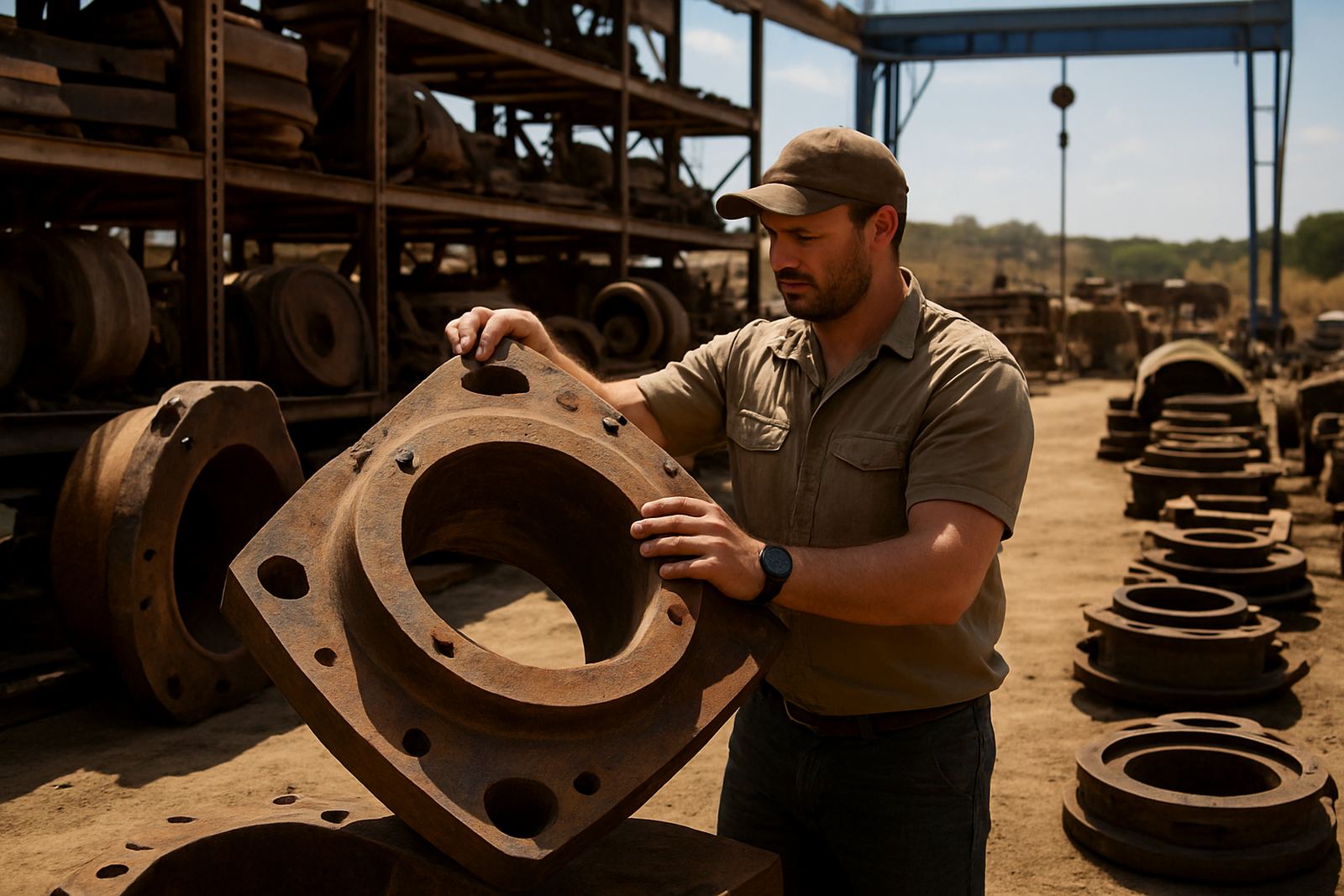
Every surplus part is first identified and matched to the correct machine family, size and wear profile. We do not rely on a quick look. The inspection starts with basic identification so the wrong jaw die, cone liner, cheek plate or screen component is not sent to the wrong site in eMalahleni or Rustenburg.
The part is then cleaned enough for a proper visual check. Dirt, grease and lodged fines can hide cracks, broken lugs, bent mounting faces and uneven wear, so the first task is to expose the actual condition. Where needed, measurements are taken against the original pattern or against an approved replacement sample. This matters for fitment checks, shutdown sourcing and urgent spares search work.
Condition Checks We Record on Site
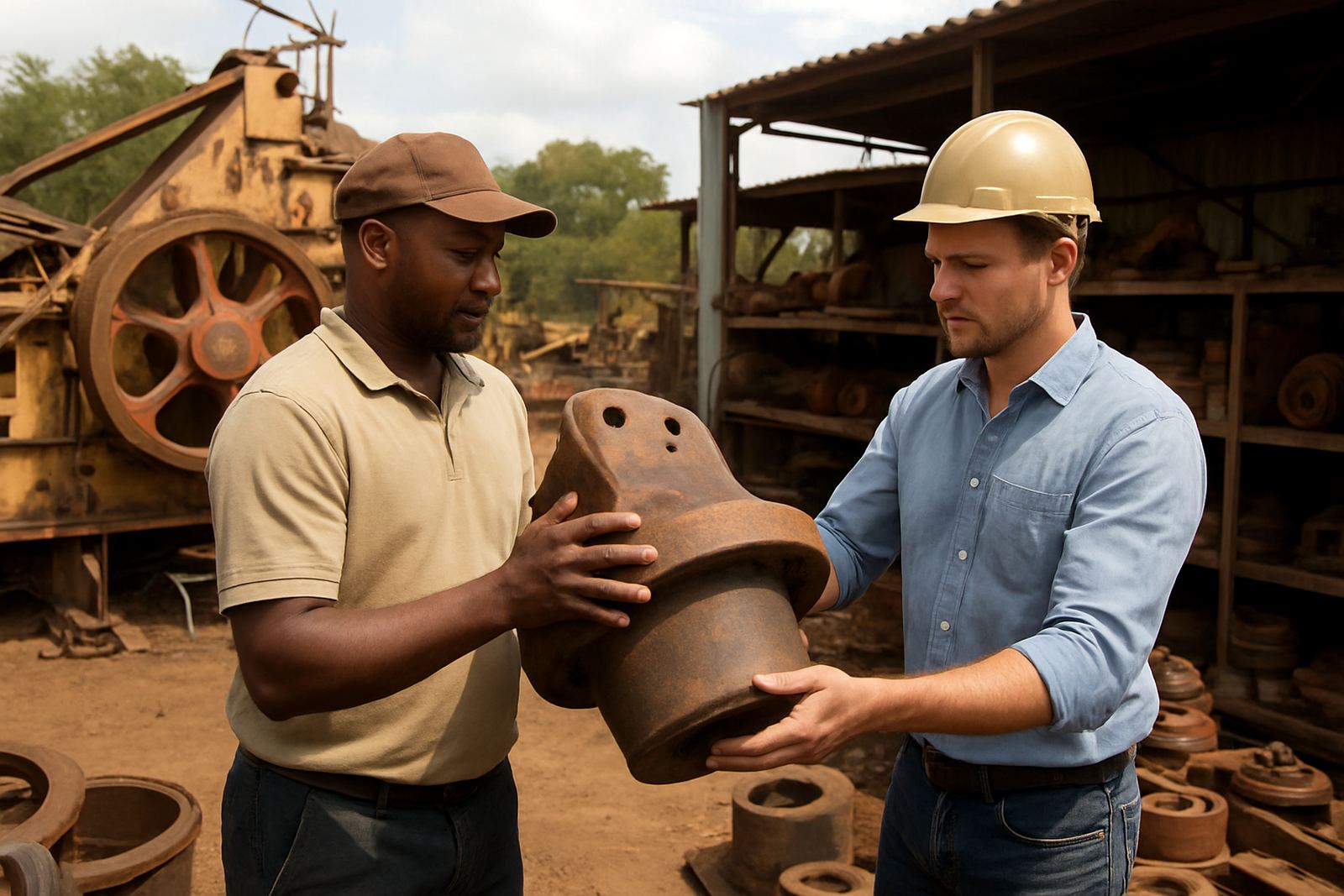
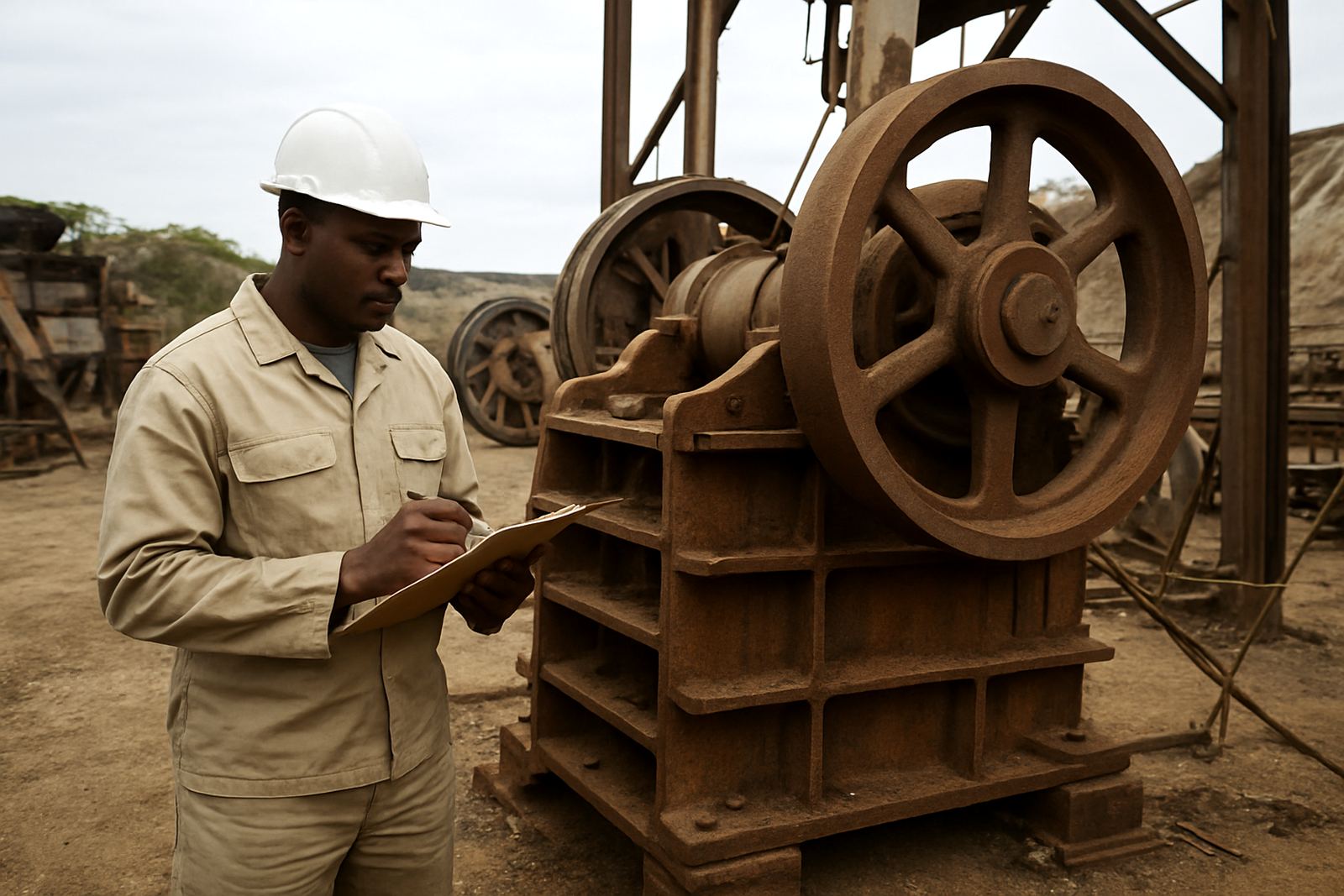
Our inspection team records the condition of each item in a standard format so buyers get the same information every time. Sibusiso Ndlovu oversees the inspection process, while the yard team and logistics staff make sure the item is handled safely and stored correctly after the check.
- Part name, size, machine type and serial reference where available
- Visible wear, cracking, distortion, corrosion or previous repair marks
- Mounting points, bores, bolt holes and contact faces
- Estimated remaining service life, where the item can still be used
- Suitability for exchange, resale or scrap classification
We also note whether the part is complete or missing small items such as pins, seals, brackets or fasteners. That saves time for mines and quarries that need accurate records before a collection or delivery is arranged.
How We Separate Reusable Spares From Scrap
Not every surplus item should go back into service. Some parts are useful for exchange, some are suitable for repair, and some are only fit for scrap recovery. Our scrap vs exchange check is practical and based on visible condition, dimensions and known wear limits.
If a part has heavy fatigue, deep cracking, heat damage or severe dimensional loss, it will not be marketed as a reusable spare. In those cases, we record it as scrap or limited-value material. If the item is still structurally sound but worn, we may list it as a used exchange part with clear notes on condition. That keeps expectations honest for sites in Secunda, Lydenburg and Pietermaritzburg that need dependable planning during shutdowns.
Photographs, Measurements and Yard Records
Each listed part receives a record set before it moves into storage. The photos show the item from several angles, including wear areas, edges, fixing points and any damage that affects use. Clear images help clients compare the item before they request collection or nationwide delivery.
- Overall view and close-up views of wear points
- Measured lengths, widths, diameters and hole spacing where relevant
- Storage location in the Middelburg Yard or a regional holding area
- Date inspected and date of last handling
- Notes on palletising, packing or crating requirements
Johan Steenkamp manages yard and storage control, so the record on file matches where the part is actually kept. That is important when load-shedding, rain or freight timing can delay movement between regions.
Packing, Storage and Delivery Readiness
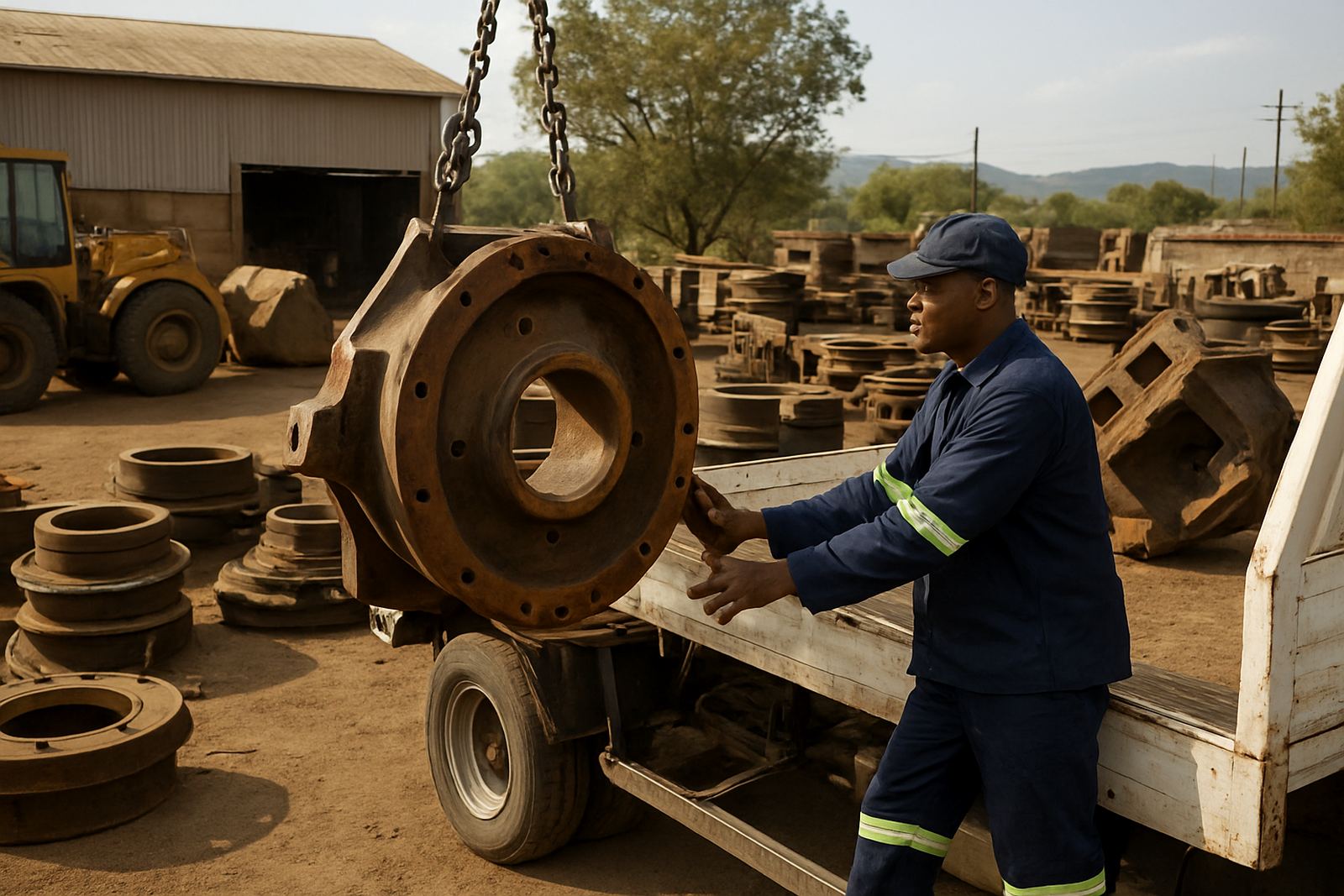
Once a part passes inspection, it is packed to reduce further damage during storage and transport. Heavy components are palletised where possible, while brittle or machined items are wrapped and separated to avoid knocks. In the coastal humidity around Pietermaritzburg and during wet weather in the Highveld, correct packing helps prevent rust and surface damage.
Before dispatch, we check that the item is ready for collection or delivery. This includes confirming the weight, handling needs and any special loading requirement. Our logistics team, led by Mpho Rakoma, plans the route and loading method for local collections and nationwide delivery. If a part needs extra protection, we note that on the order so the receiving site can prepare space and lifting equipment.
Why Inspection Notes Matter for Quarries and Mines
Clear inspection standards reduce wasted trips, wrong orders and delays on site. A quarry in Kathu does not need a vague description when a crusher is down and the plant crew is waiting for a replacement. The same applies to mines in Polokwane, Rustenburg and eMalahleni that must work within shutdown windows and municipal time limits for heavy vehicle access.
The inspection record supports fair exchange decisions too. It shows whether a part should be traded, repaired, stored or scrapped, and it gives both sides a record to work from. Thabo Johannes Mokoena and the team use these notes to keep the exchange process practical for local industry, with less waste and better use of available spares. If you need a listed item checked, the enquiry form on our contact page is the place to start.