
How collections are arranged from our Middelburg yard
Collections are arranged through the enquiry form on our contact page, after which our team confirms the part details, location and readiness for loading. From Middelburg, we coordinate movements to and from quarry and mine sites in eMalahleni, Rustenburg, Polokwane, Kathu, Pietermaritzburg, Secunda and Lydenburg, subject to site access and vehicle availability.
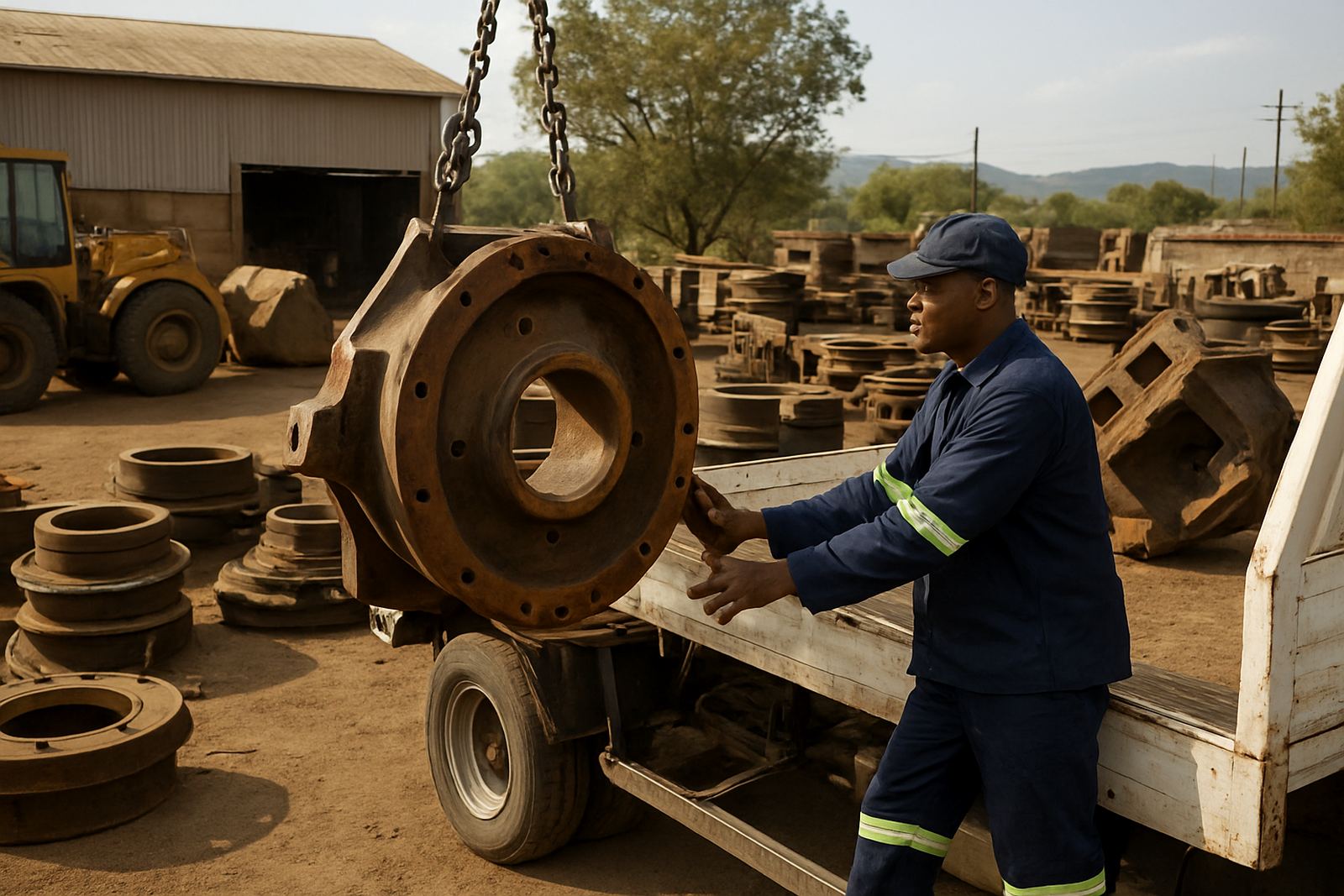
When a collection is booked, we first check whether the item is loose, palletised or still mounted on plant. If lifting equipment is needed on site, the client must make that available unless agreed otherwise in writing. For shutdown work, timing matters and the site contact must keep us updated if the window changes, because a delay of even 2 hours can affect the truck slot and the next load.
- Confirm part name, quantity and approximate weight
- Advise if the item is oily, sealed or damaged
- Share site rules for entry, PPE and loading bay access
- Nominate the person who will sign release and collection papers
Dispatch readiness before a part leaves the yard
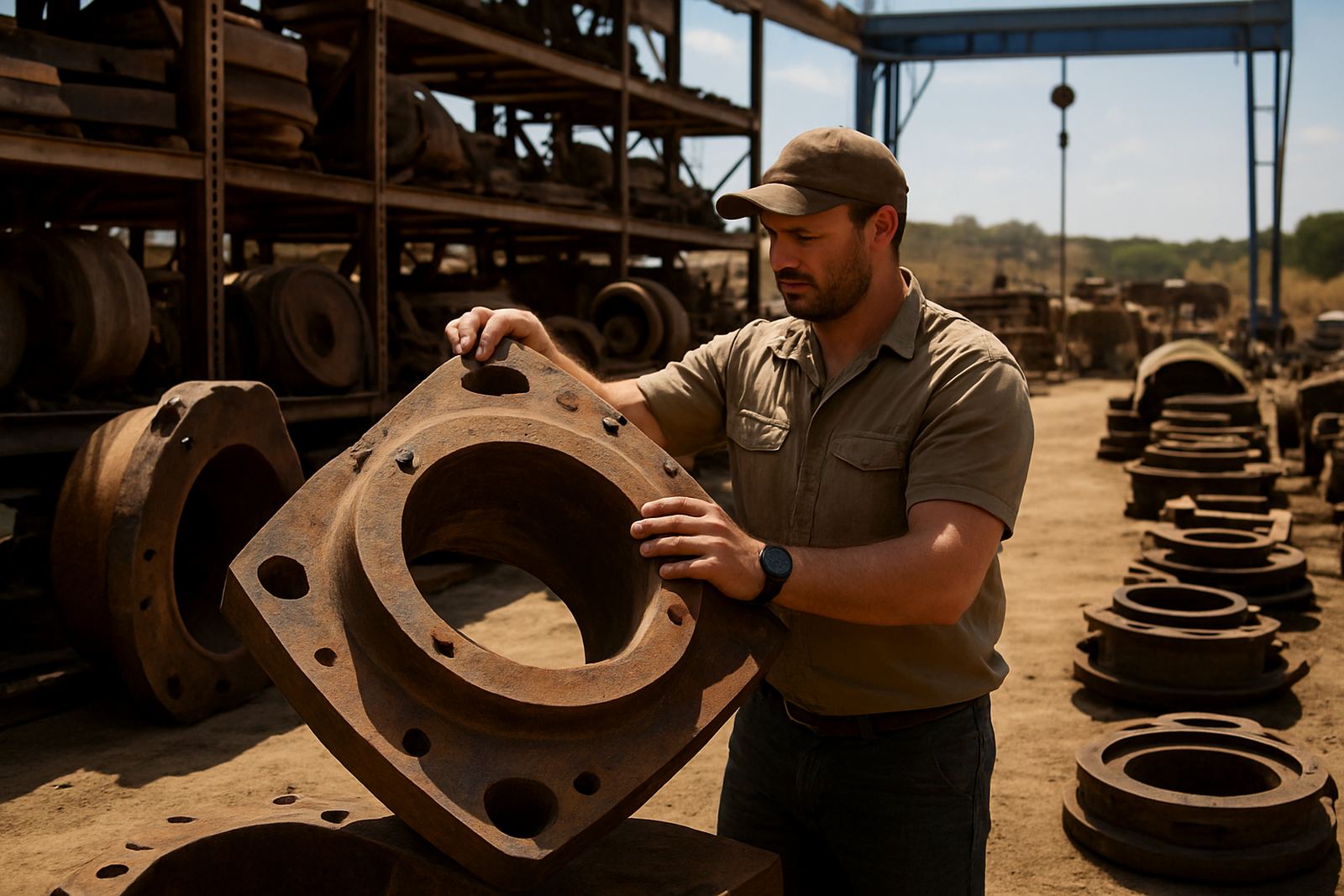
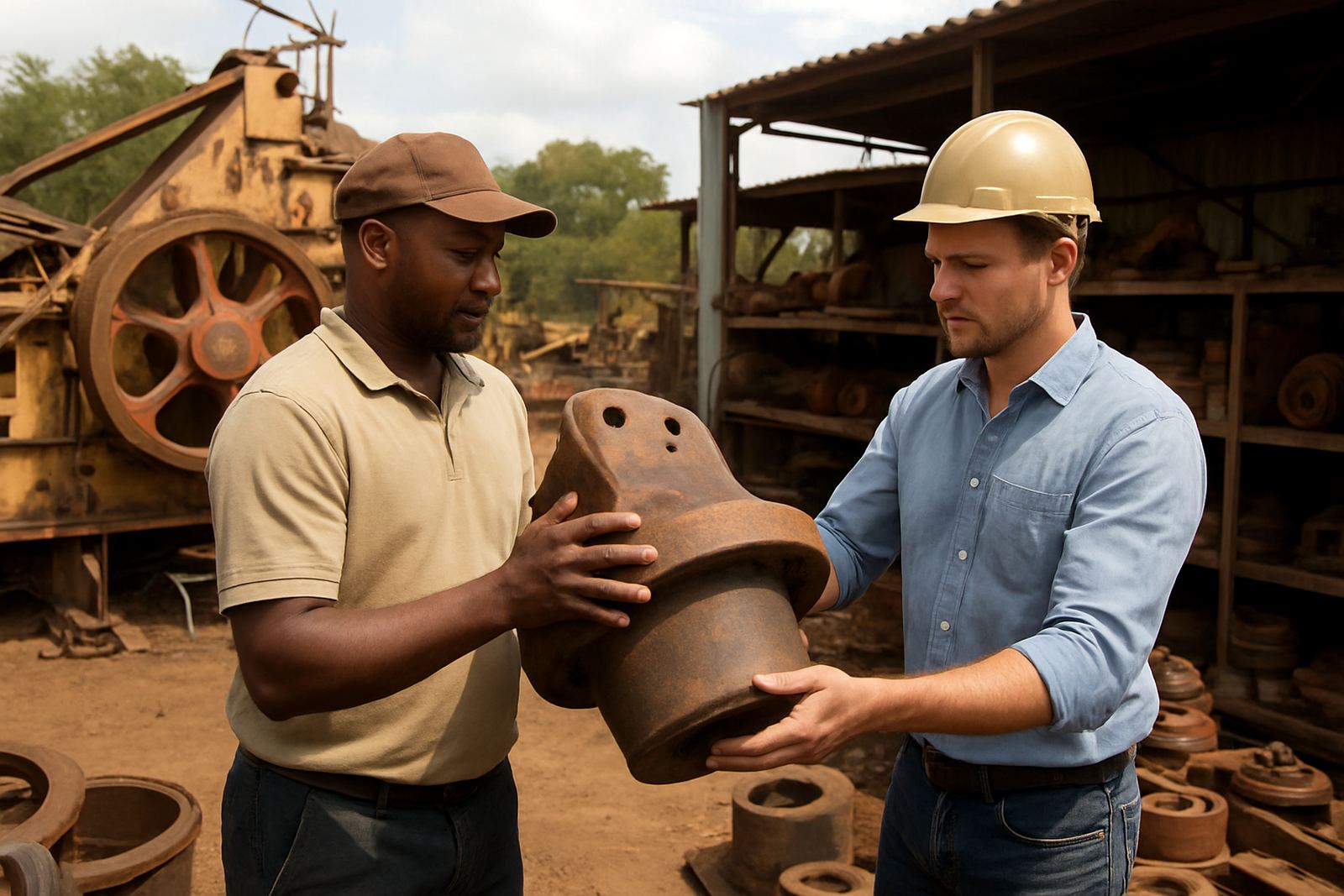
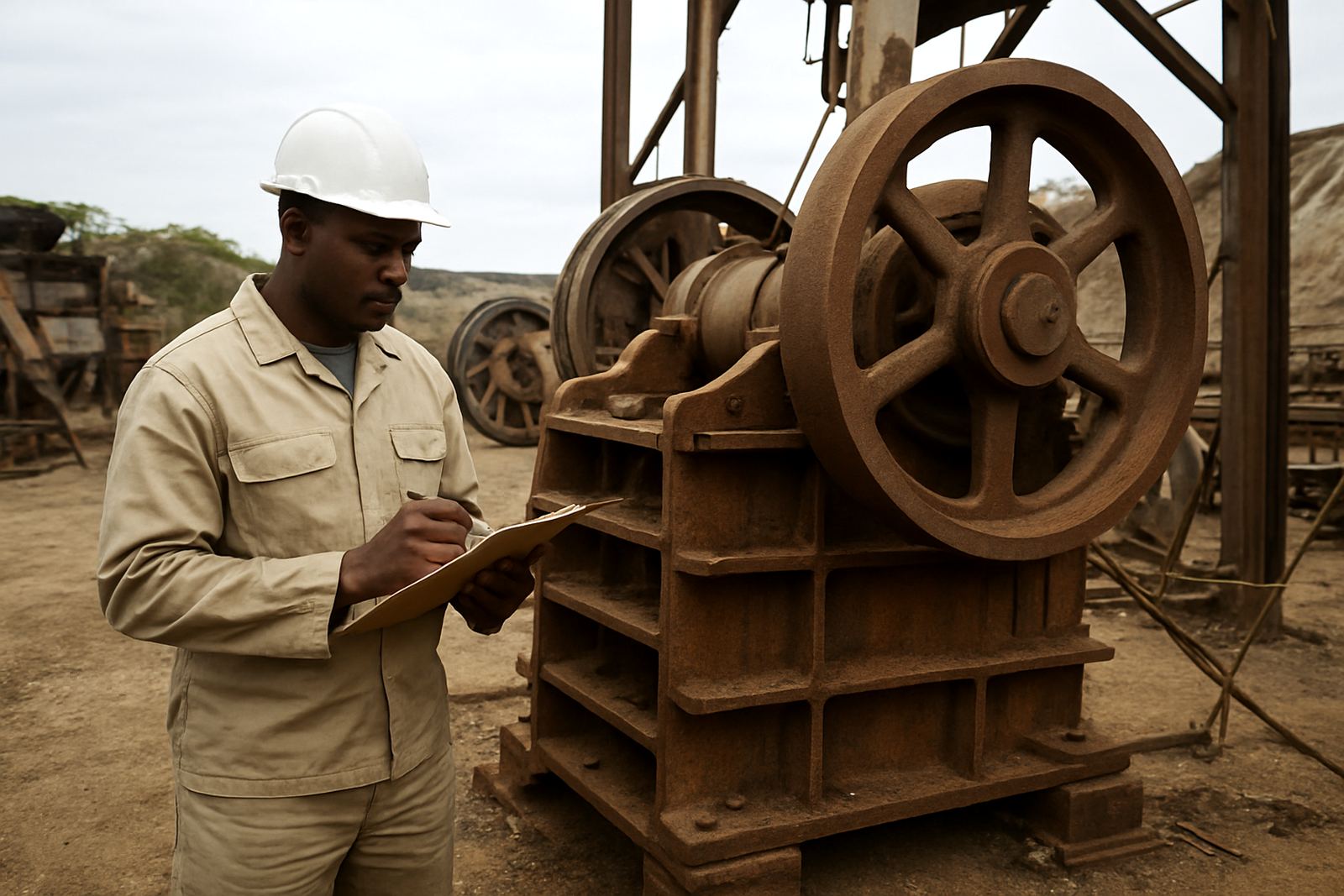
A part is only dispatched once inspection, condition reporting and release approval are complete. If a unit is going out as an exchange item, the old and replacement parts must be clearly matched so there is no confusion on fitment or return credit. In practice this means serial markings, casting numbers and visible wear points are checked before any vehicle is loaded.
Clients should allow time for cleaning, palletising and packaging, especially on parts exposed to dust, slurry or coastal humidity. Rust protection, strapping and shrink wrap are used where needed, but the item must already be suitable for transport. We do not load parts that are unsafe, leaking oil, or likely to move in transit and cause damage.
- Parts must be identified before loading starts
- Loose components should be bundled and labelled
- Hydraulic or grease residues should be drained where practical
- Any special lifting points must be pointed out in advance
Transport coordination across regional routes
Transport is coordinated according to route, urgency and the size of the load. Some deliveries move directly from our Middelburg yard, while others are collected from a quarry, inspected and then forwarded to another site. We work with local and long-distance transport planning across Mpumalanga, North West, Limpopo, Northern Cape and KwaZulu-Natal, with delivery timing depending on road conditions and vehicle scheduling.
Because quarry spares can be heavy and awkward, we plan for safe loading rather than speed alone. If a load is travelling to a remote site near Kathu or a mine outside Rustenburg, extra time may be needed for road checks, weighbridge stops and after-hours gate access. During load shedding periods, loading and yard movement can slow down, so we ask clients to confirm collection times carefully and keep the gate open if a truck is delayed.
Storage, holding periods and client collection windows
Where a part is not collected immediately, it can be held in our yard storage area for a short agreed period, subject to space and the nature of the item. Larger items may need palletising or segregation from other stock to avoid damage. Our yard team monitors stored parts so they remain traceable and ready for release when the client confirms transport.
If a part has been reserved but the client cannot collect within the agreed window, we may move it back into general storage or release it to another buyer or exchange client. This depends on the sales agreement and the condition of the item. Our aim is to keep the process fair and practical, especially where shutdown stock is moving quickly and every day counts.
- Reserved items must be collected within the agreed timeframe
- Longer storage may attract handling or re-stack charges
- Storage space is allocated by size, weight and turnover
- Clients must tell us if a collection will be late
What happens if a delivery arrives damaged or incomplete
Every dispatch is checked before release, but clients must also inspect on arrival. If a crate, pallet or loose item arrives with visible damage, the receiving person must note it on the waybill or delivery papers straight away. Without that note, it becomes harder to separate transit damage from pre-existing wear, and that slows down any follow-up.
If a delivery is incomplete, the client must contact us through the enquiry form as soon as possible with the job reference, the part description and a clear explanation of what is missing. We then compare the dispatch record, packing list and inspection notes. In most cases the quickest fix is a second collection, a replacement dispatch or an adjustment to the exchange arrangement, depending on what was agreed.
Client responsibilities before we load or dispatch
Delivery terms work best when both sides prepare properly. The client is responsible for making sure the site can receive the load, that access roads are suitable for the vehicle size, and that the receiving team is available at the planned time. This is especially important on mine roads with tight turn circles, low clearances or weighbridge procedures that take longer than expected.
For return loads, shutdown sourcing and urgent spares search jobs, please confirm any plant stoppage deadlines before we book transport. If the wrong part is supplied because the original details were incomplete, the cost of redelivery or re-collection may be for the client’s account. Clear photos, measurements and casting numbers save time and reduce back-and-forth, which matters when production is already down.
- Provide accurate part details and site instructions
- Ensure someone is available to sign for the load
- Check that the receiving area can handle the delivery size
- Send any deadline changes as early as possible
How to request a collection or delivery update
To request a collection, storage release or delivery update, use the enquiry form on our contact page and include the part name, quantity, site location and preferred timeframe. If the item is for exchange, add the matching machine model and any visible identification numbers. This helps our Middelburg team route the request to the right person quickly.
Our operations, inspection, sales, logistics and yard teams work together to keep the process moving from first enquiry to final dispatch. Whether the item is travelling from Secunda to Rustenburg or from Pietermaritzburg back to our yard, we keep the same focus on safe handling, correct paperwork and practical timing. If there is a change in route or collection point, tell us as soon as you know so we can reschedule without avoidable delay.