What fixed jaws do in a primary crusher
Fixed jaws form the steady face inside a jaw crusher and take the first impact from blasted stone, gravel, ore and oversize material. They work with the swing jaw to create the crushing chamber and keep feed moving down to the required product size. When the liner wears thin, the crusher can lose grip, produce more flake, and start pushing power use up.
For quarries around Middelburg, eMalahleni, Rustenburg and Polokwane, a good surplus fixed jaw can keep a primary line working while a new set is being planned. It is a practical option for shutdown work, standby stock, or where the crusher still has life left but the liner needs replacing now.
Sizes, profiles and fit options
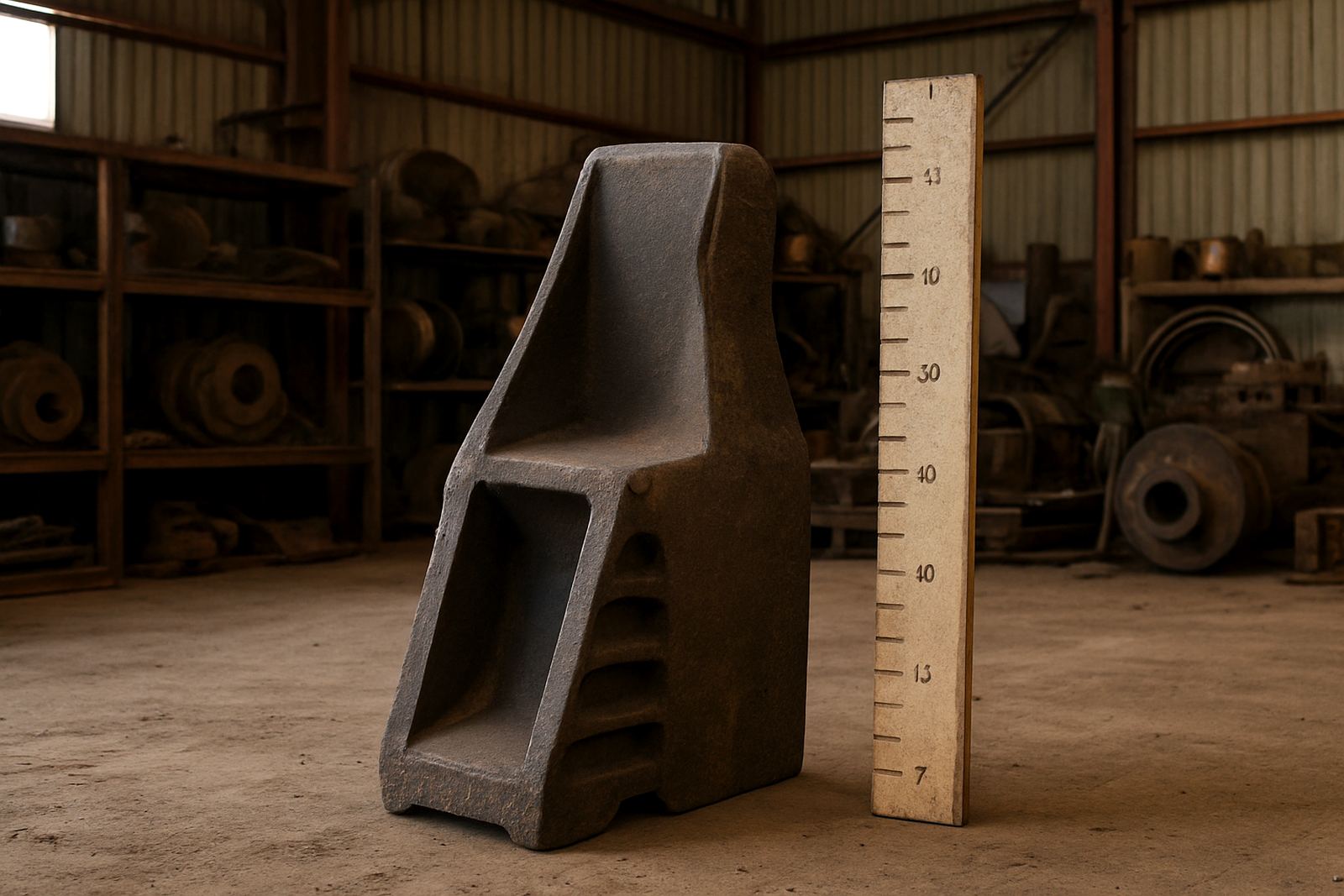
Fixed jaws are not one-size-fits-all. They differ by crusher opening, tooth profile, thickness, mounting pattern and wear face shape. We handle surplus fixed jaw liners in common primary crusher sizes used across South African quarrying and mining sites, including units for coarse feed and high abrasion duty.
- Common opening sizes from small plant through to large primary crushers
- Standard and heavy-duty tooth profiles for different feed conditions
- Plain or corrugated wear faces depending on grip needs
- Left or right hand orientation where the crusher design requires it
- Cast liners with mounting holes, clamp faces or seat surfaces
If you are comparing two parts that look similar, measure the length, width, thickness and hole spacing carefully. A few millimetres can make the difference between a liner that bolts in cleanly and one that sits out of square.
Where fixed jaws suit best
These liners suit primary crushing duties in quarries, mine crushing stations and contract crushing setups where hard rock, silica-bearing material or abrasive feed is common. They are used in operations that need reliable first-stage reduction before secondary and tertiary crushing.
They are also useful for shutdown sourcing when a plant in Kathu, Secunda or Lydenburg cannot wait for a full new casting lead time. Surplus fixed jaws can help during planned maintenance, unplanned wear failures, or when a site needs a spare on the shelf for the next change-out.
- Primary jaw crushers in quarry and mine feed circuits
- Hard rock applications with high abrasion
- Older plants where matching parts are difficult to source
- Standby stock for shutdowns and rapid replacements
Installation, lifting and power requirements
Fixed jaws are mechanical wear parts and do not need power, gas or special utilities themselves. They are fitted into the crusher frame and secured with the correct fasteners and clamping arrangement. Because the part is heavy, safe lifting gear, correct rigging and a planned isolation procedure are essential.
Before fitting, make sure the crusher is locked out, isolated and cleared of trapped material. Check the seating surfaces for wear, clean out dust and fines, and confirm the liner sits flush on the mounting face. In dusty areas and on sites near the coast, salt and moisture can affect fasteners and seating faces, so it helps to inspect the hardware properly rather than rush the job. On load-shedding affected sites, many clients schedule fitment during controlled plant downtime so the team can work without pressure.
- Use suitable lifting equipment for the liner weight
- Confirm the correct bolt set, wedges or clamps are on hand
- Inspect the seat and frame for cracks, distortion or buildup
- Torque fasteners to the site specification after the first run-in period
Care, wear checks and storage in yard conditions
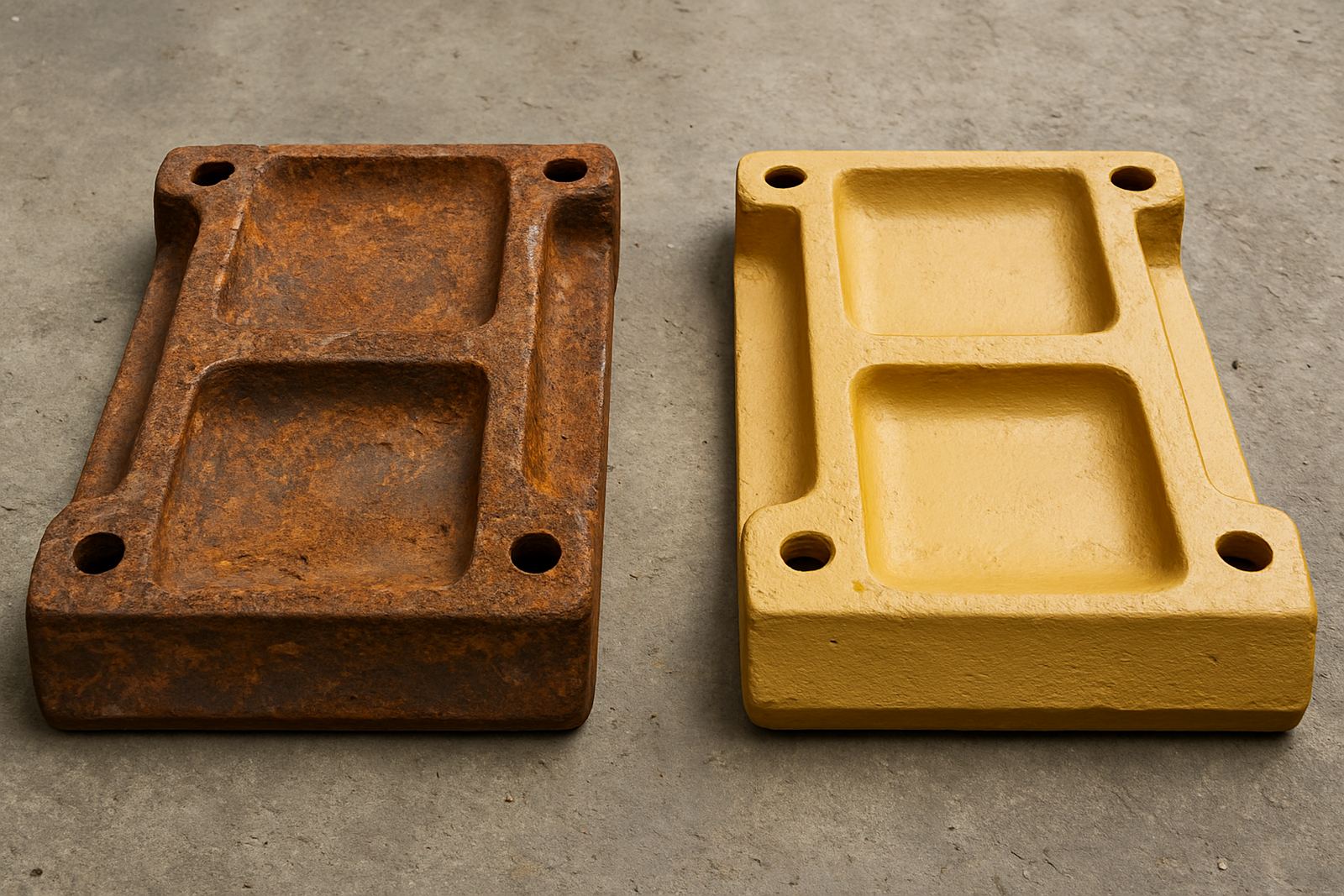
Fixed jaws last longer when they are handled and stored properly. Our Middelburg base provides yard storage, palletising and packing, plus local collections and nationwide delivery for surplus spares between quarries and mines. A liner that sits in open weather for months can pick up rust on the mounting faces, especially in humid or coastal conditions, so dry storage matters.
During service, look for reduced tooth height, broken corners, cracking around bolt holes and uneven wear across the face. If one side wears quicker than the other, the crusher may be running off-centre or feeding unevenly. Keep records of run hours, feed type and change-out dates so you can compare wear rates from one set to the next.
- Store on pallets or blocks off the floor
- Keep mounting faces clean and lightly protected
- Tag each part with the crusher model and condition
- Separate scrap, repairable and exchangeable stock
What to check before you order
Ordering a fixed jaw is easier when you have the crusher details ready. We inspect surplus spares, record condition and help buyers match the right item for the job. If you are unsure, send the crusher make, model and any part markings through the enquiry form on our contact page and we will work from that.
Check the following before you place an order:
- Crusher make and exact model
- Opening size and chamber type
- Liner length, width, thickness and bolt pattern
- Tooth profile, hand and casting number if available
- Wear condition, crack status and whether the part is fit for immediate use or rework
- Delivery point, site access and whether urgent collection is needed
For quarries in Rustenburg, Pietermaritzburg and the wider South African market, the goal is to get the right jaw to site with no wasted freight and no hold-up at the fitment stage. A careful check upfront saves time, money and rework later.
Key facts
| Product type | Fixed jaw liner for primary crushing |
|---|---|
| Material | Surplus cast wear part, inspected before sale or exchange |
| Typical use | Primary jaw crusher maintenance and change-out stock |
| Fitment | Bolted or clamped to crusher frame, model dependent |
| Supply areas | Middelburg, eMalahleni, Rustenburg, Polokwane, Kathu, Pietermaritzburg and nationwide |
| Support | Inspection, condition reporting, storage, packing, collection and delivery |