Screen line dust control in Nelspruit
The client was a quarry operation near Nelspruit, serving roadstone and aggregate demand in the Lowveld. The issue was familiar in hot, dry spells and during windy shifts, dust was building up around the screen line and creating housekeeping problems, visibility issues and extra wear on nearby components. The team wanted a faster option than ordering new parts from scratch, and they needed something that could be fitted during a planned stop.
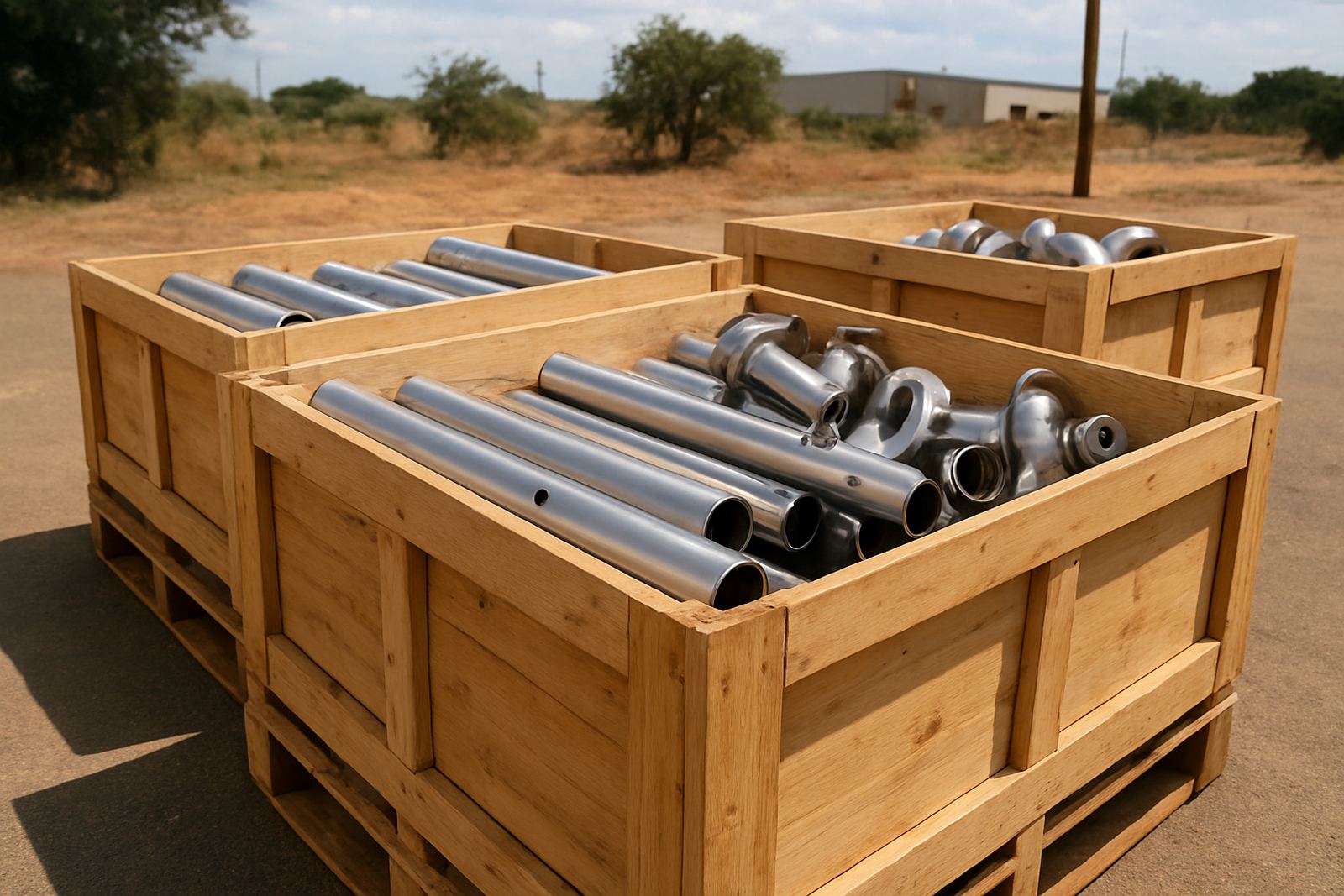
The brief was to exchange usable surplus spray bars and fittings from another site, then check the condition before anything left our yard. The plant had limited downtime windows and the site was working around a tight shutdown plan, so the parts had to be right first time. We were asked to keep the solution practical, cost-conscious and suitable for South African quarry conditions, including high dust loads and regular washdown.
What the quarry needed from the exchange
The screen line carried a mix of crushed stone sizes, and the spray arrangement needed to cover the transfer and screening points evenly. The client was not looking for a full redesign. They needed exchange spares that matched the existing pipe runs, thread sizes and mounting points, with enough integrity left in the steel and fittings to justify fitment. Because the site uses water under pressure for suppression, leaks or blocked nozzles would have caused more downtime than the original dust problem.
- Spray bars with serviceable wall thickness and no serious pitting
- Matching fittings for the existing line layout
- Nozzle positions that could be cleaned and checked before dispatch
- Parts suitable for a quick installation during a short shutdown
- Practical transport from our Middelburg yard to Nelspruit
Inspection, condition reporting and exchange prep
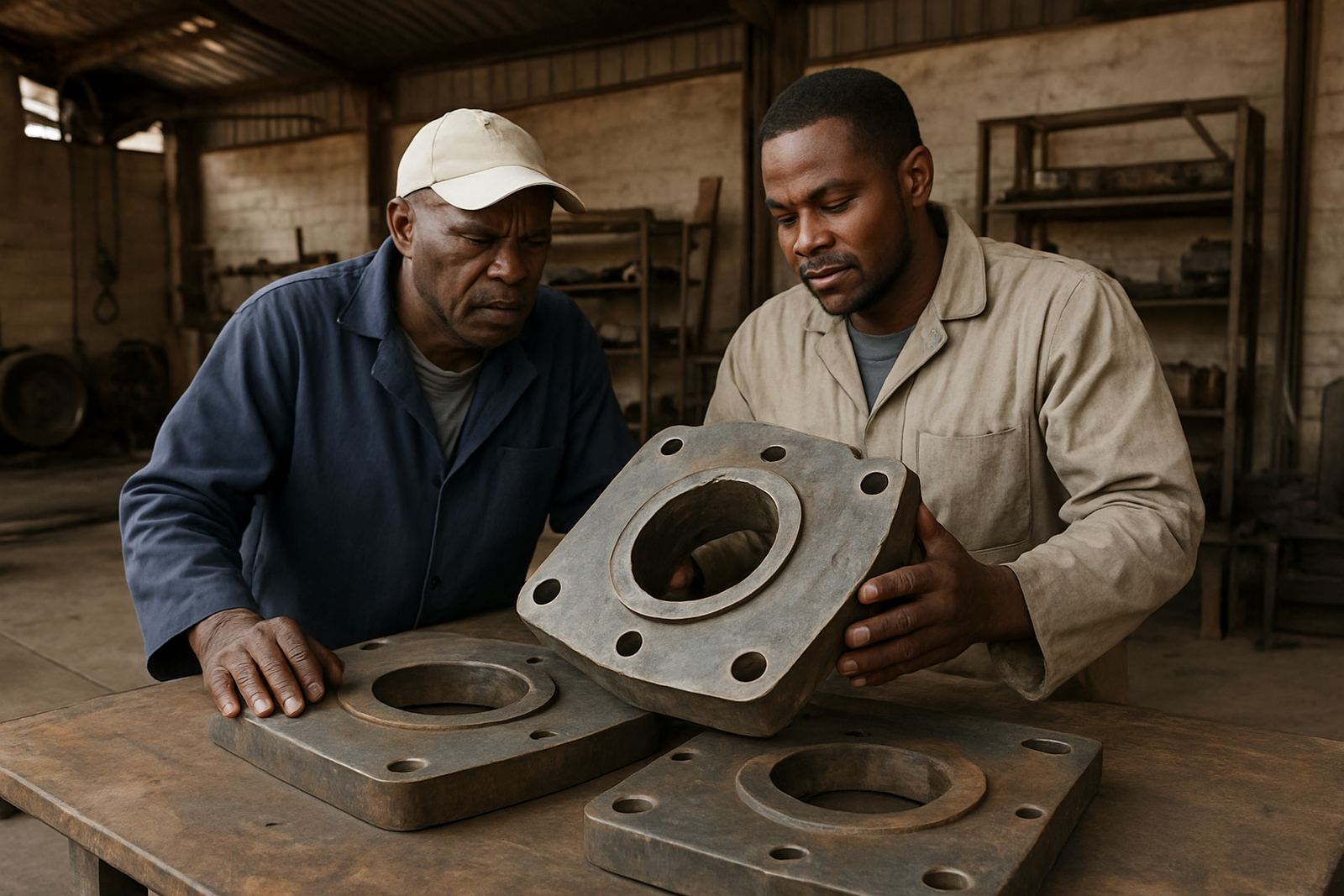
Our inspection team checked every item before the exchange was confirmed. Sibusiso Ndlovu handled the condition reporting, looking for wear at joints, thread damage, bent sections and any signs of previous cracking. Spray bars were measured and compared against the client’s existing setup, because even a small mismatch can slow fitment on site. Where needed, fittings were cleaned, tagged and separated so the receiving team could see exactly what was being supplied.
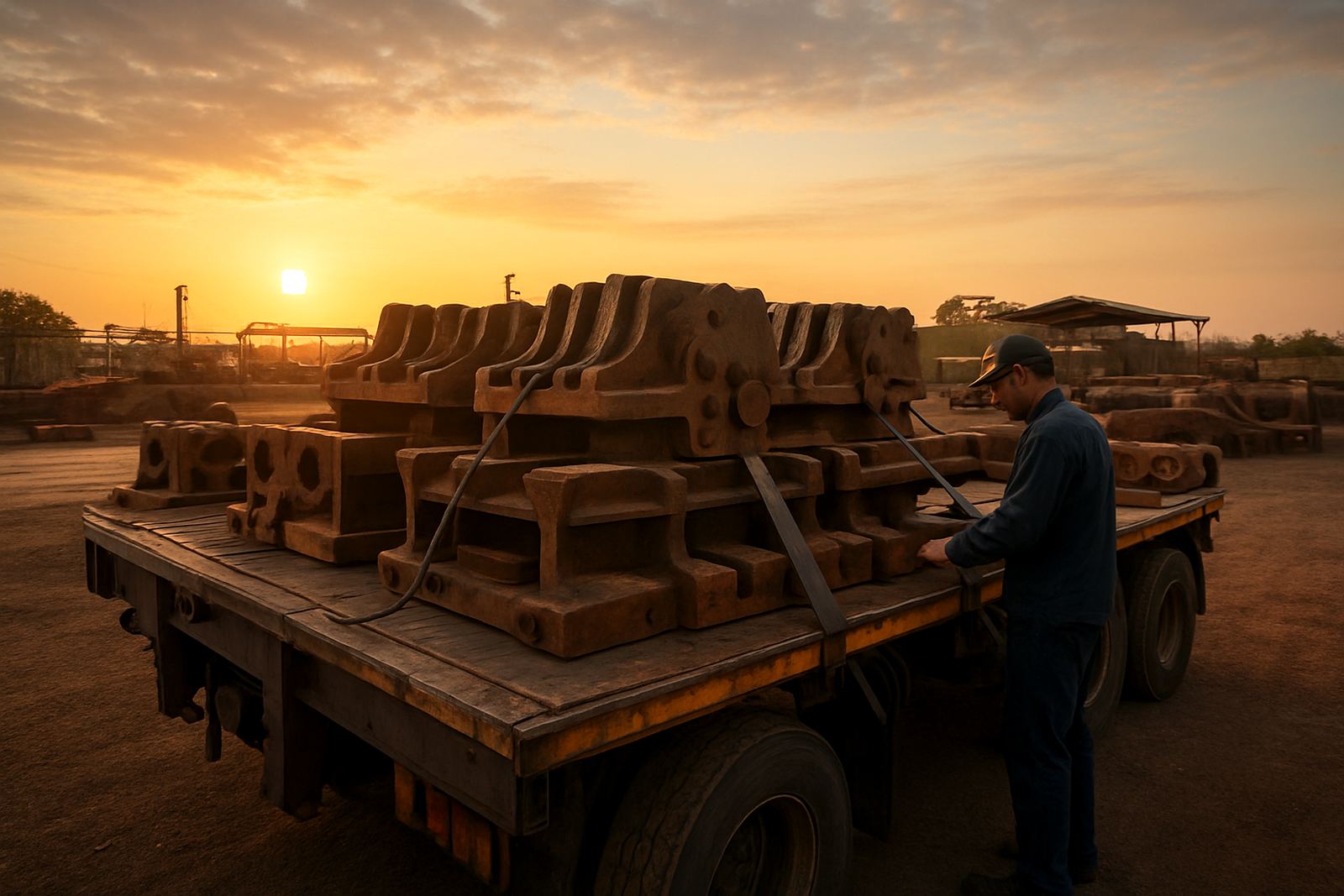
The exchange was handled through our Middelburg base, with storage and preparation overseen by Johan Steenkamp. Items were palletised and packed to reduce damage in transit, which matters on local roads where vibration can loosen fittings if they are left loose in the load. The yard process also helped us keep the parts organised by size and condition, so the client knew which pieces were fit-for-use and which were only useful as scrap or for recovery. No guesswork, no mixed loads.
- Visual and dimensional inspection before release
- Condition report issued for the exchanged items
- Palletised packing for transport over regional distances
- Clear separation of exchange value and scrap value where relevant
Timeline from request to delivery
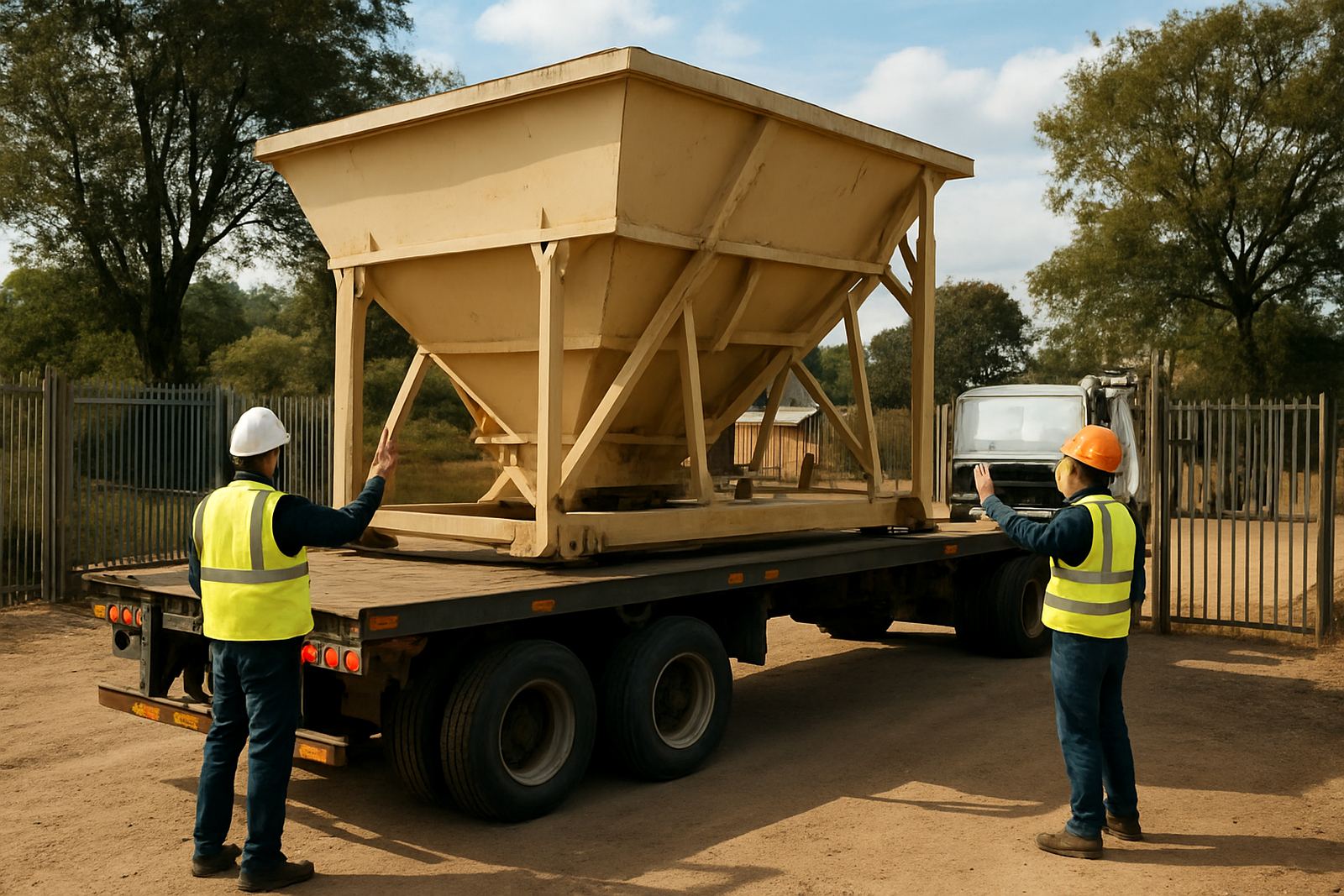
The job moved through our usual exchange process over two weeks. In week one, the client shared the screen line details, mounting pattern and the condition of the current spray assembly. Anika van Zyl then matched the request against surplus stock available through our network and confirmed a suitable set. In week two, the items were inspected, packed and sent for delivery from Middelburg to Nelspruit. Mpho Rakoma coordinated the transport so the parts arrived in line with the planned shutdown.
Because the site had a narrow maintenance window, timing mattered as much as the parts themselves. The quarry did not want a situation where crews were waiting on spares while production was already stopped. By working through the exchange list first, we kept the lead time shorter than a conventional buy-new order would have allowed. That made it easier for the maintenance team to plan labour, tools and water line isolation in one go, instead of stretching the job over several days.
Results after fitment on the screen line
Once the spray bars and fittings were installed, the client reported a more even water spread across the screen area and better dust knockdown during loading and screening. That helped reduce airborne dust around the walkway and made the area easier to keep clean after a shift. The quarry also avoided the cost of buying all-new assemblies when the original structure could still accept exchanged spares in good condition.
The result was not only about dust. Better suppression usually helps protect bearings, guards and nearby steel from fine material build-up. On a site like Nelspruit, where moisture and dust can combine into stubborn grime, having serviceable spray gear makes a real difference to maintenance. The client also appreciated that the spare parts were sourced and checked within a known process rather than being pulled together at the last minute from mixed sources.
- Improved dust suppression around the screen line
- Less material build-up on surrounding structures
- Lower spare-part spend compared with buying new
- Faster return to production after the shutdown
What we would repeat on the next job
If we were to do the same job again, we would follow the same steps: inspect first, confirm dimensions, pack properly and align delivery with the shutdown plan. That approach works well for spray bars because the parts may look simple, but small differences in length, nozzle position or fitting type can create delays. Lerato Maseko and Nokuthula Dlamini both kept the client updated through the process, which helped avoid last-minute changes once the team was ready to fit.
For quarry operators in the Lowveld and beyond, the lesson is simple. If you can reuse a serviceable set of spray bars, and the condition is sound, exchange stock can keep costs down while still supporting dust control. We would also recommend checking the water pressure, nozzle condition and supporting brackets at the same time, because a good bar on a weak support or blocked line will not give the same result. A short, careful inspection before dispatch saves time on site and makes the fitment cleaner.
- Confirm exact lengths and mounting points before exchange
- Check nozzle sizes and blockages before dispatch
- Pack fittings separately to avoid loss in transit
- Line up delivery with the shutdown calendar
How Crusher Spare Exchange supports similar projects
Crusher Spare Exchange works from Middelburg, Mpumalanga and supports quarries and mines across South Africa, including eMalahleni, Rustenburg, Polokwane, Kathu and Pietermaritzburg. For jobs like this one, the value sits in practical handling of surplus crusher spares, inspection, storage and delivery. That includes parts that are still useful in service, parts that need condition reporting before exchange, and parts that should be assessed for scrap versus exchange value. The goal is always the same: reduce waste, recover value and keep critical plant moving.
Thabo Johannes Mokoena leads the team, with operations, sales, logistics and yard control arranged around real site needs rather than paperwork alone. When a quarry needs urgent spares, shutdown sourcing or a checked exchange item for a screen line, the process starts with the enquiry form on our contact page. From there, we match what is available, inspect it properly and move it into the right place at the right time. That is how surplus becomes useful again instead of sitting unused in a yard.
Key facts
| Project | Nelspruit spray bars exchange for dust suppression |
|---|---|
| Client type | Quarry operating a screen line near Nelspruit |
| Scope | Exchange, inspection, condition reporting, packing and delivery |
| Parts supplied | Spray bars and matching fittings from surplus stock |
| Timeline | 2 weeks from request to delivery |
| Outcome | Improved dust suppression and lower spare-part cost |