What We Record For Every Surplus Part
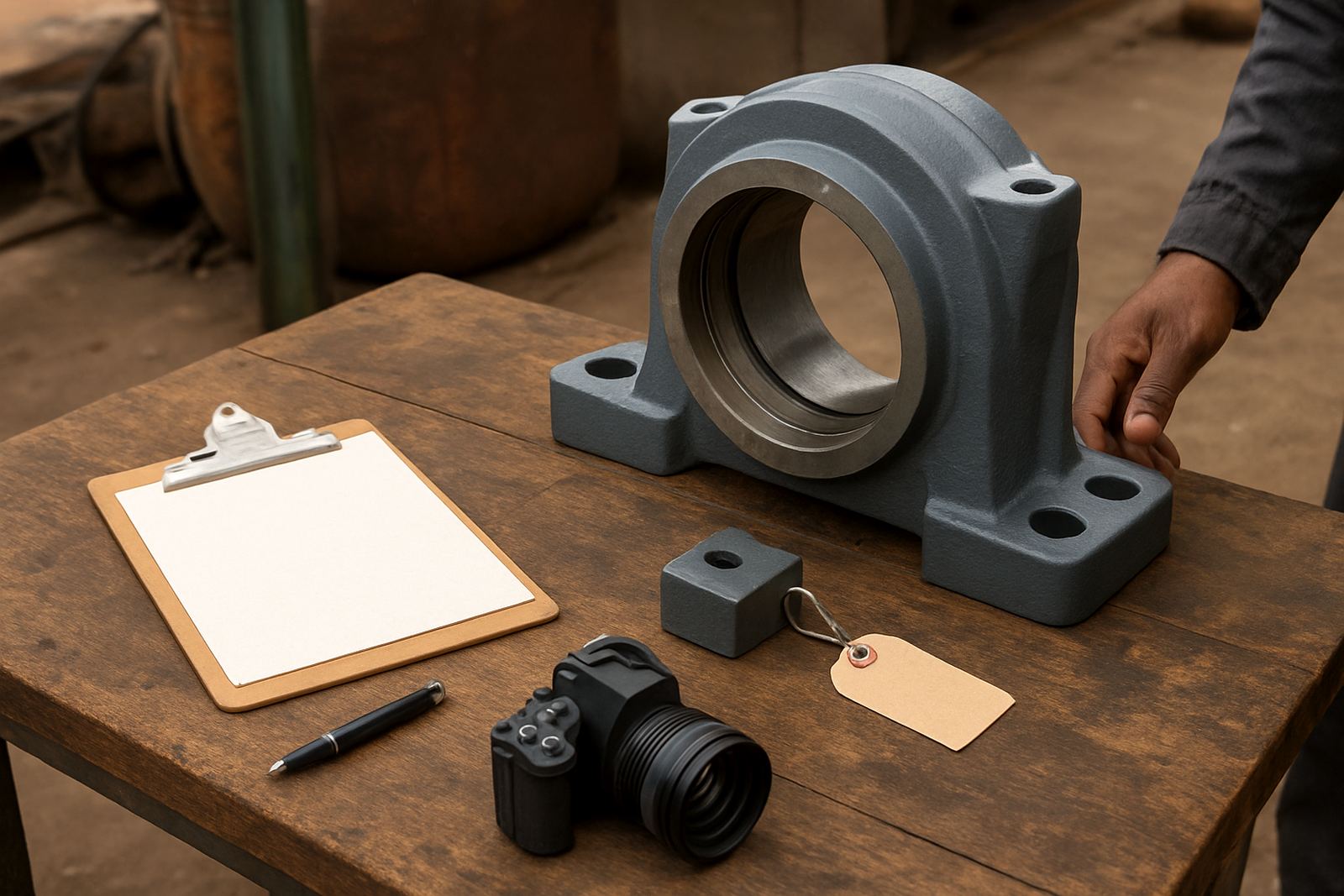
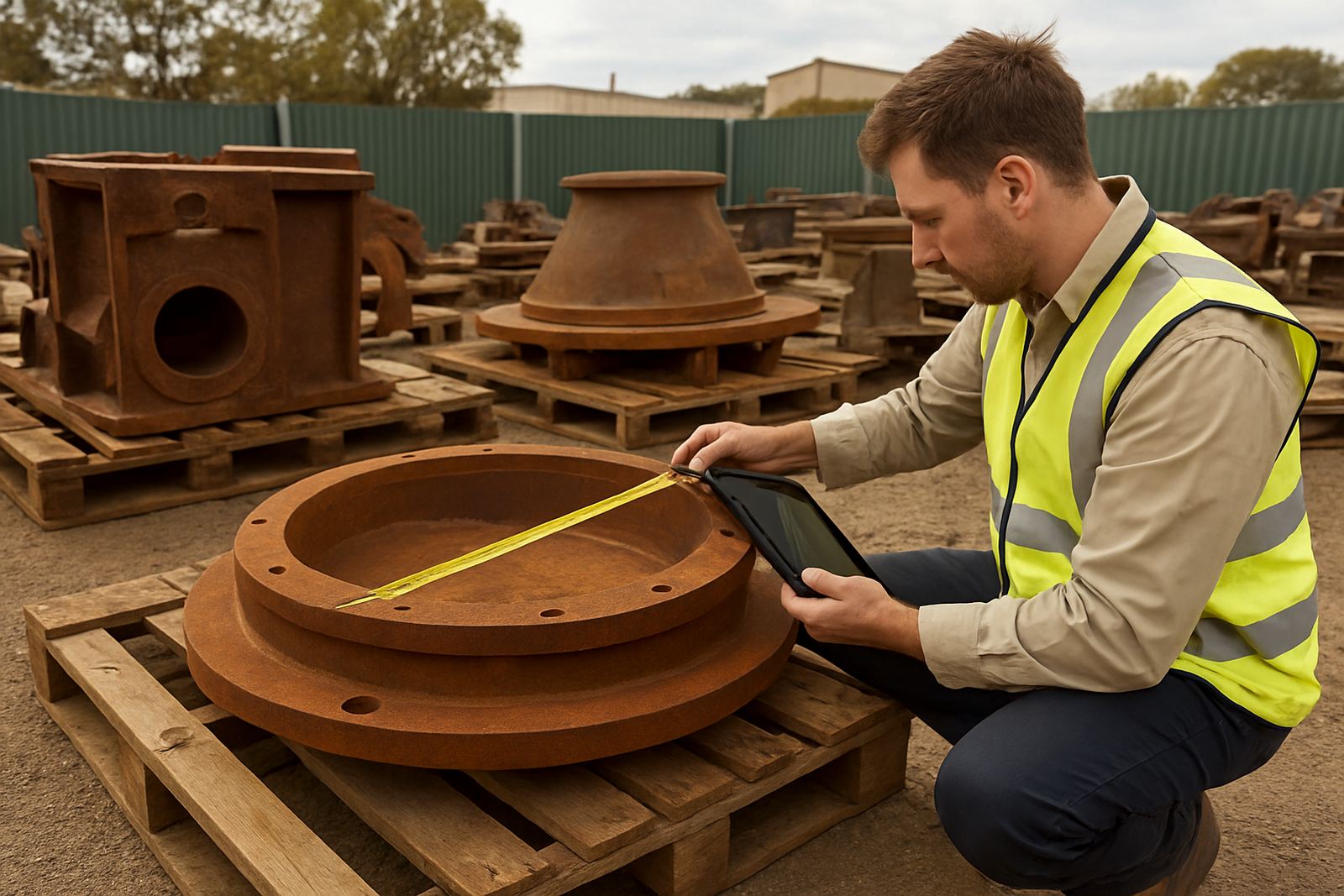
Our surplus listing service is built for used crusher spares that still have value, but need proper identification before they can move again. We record the part name, machine type where known, visible wear, measured dimensions, mounting points, and any missing hardware. Each item is photographed from several angles so buyers can assess condition without guesswork.
We handle surplus parts from quarry and mine yards in Middelburg, eMalahleni, Rustenburg, Polokwane, Kathu, Pietermaritzburg and surrounding areas. That includes jaw crusher components, cone crusher wear parts, impact crusher spares, screens, feeders, shafts, frames, bearings housings, liners, guards and associated fasteners. For items that are heavy or awkward to move, we can assess in the yard first and then decide whether the part should be sold as exchange stock, consignment stock or scrap, depending on condition and demand.
- Clear part description and reference number
- Photo set showing wear, cracks, holes and mounting faces
- Measurements in millimetres and approximate mass where practical
- Condition notes for reuse, reconditioning or scrap
- Storage location and handling notes for loading
How The Listing Process Works From Yard To Market
Once a surplus part arrives at our Middelburg yard or is collected from site, we log it in and assign it to inspection. Sibusiso Ndlovu checks the part, confirms the condition and notes anything that may affect fitment or transport. If the item is suitable for exchange, Anika van Zyl and the sales team prepare the listing so buyers can compare it against their requirements quickly.
The process is practical and straightforward. We do not list parts with vague wording or missing details because that leads to delays and returns. Where the original machine details are unavailable, we rely on measurements, photographs and fitment features to describe the item properly. If a part is not ready for sale, we can keep it in secure yard storage until it is cleaned, packed or moved with the rest of a consignment. In winter months, we also watch for condensation and surface corrosion, especially on parts stored near the coast-bound loads or in damp yard conditions.
- Intake and identification
- Inspection and condition reporting
- Photo capture and record creation
- Pricing review and sales channel placement
- Collection, storage or dispatch once sold
Condition Grading And What Buyers Can Expect
Condition matters when a quarry or mine is buying used spares. A part that has surface wear may still be fit for service, while another with hidden damage is better kept for strip and scrap. We grade each item honestly, with notes that explain visible scoring, pitting, distortion, cracked welds, thread damage and any signs of overheating or misalignment. If a part looks usable but needs confirmation, we flag it for a fitment check before release.
Our listings help buyers plan shutdown work and avoid wasted transport. For example, a used cheek plate, pulley, bearing housing or shaft collar might be ideal for an urgent changeout if the dimensions match and the wear is within tolerance. A part with excessive wear can still hold value as a pattern, core or exchange unit. We do not overstate condition, and that saves time for both sides. In plain terms, if a part is only suitable for refurbishment, we say so.
- Visual grade for wear and reusability
- Fitment notes for bolt pattern, bore and keyway detail
- Surface condition, rust level and any repairs visible
- Advice on whether the part suits immediate use or reconditioning
Storage, Packing And Delivery For Listed Stock
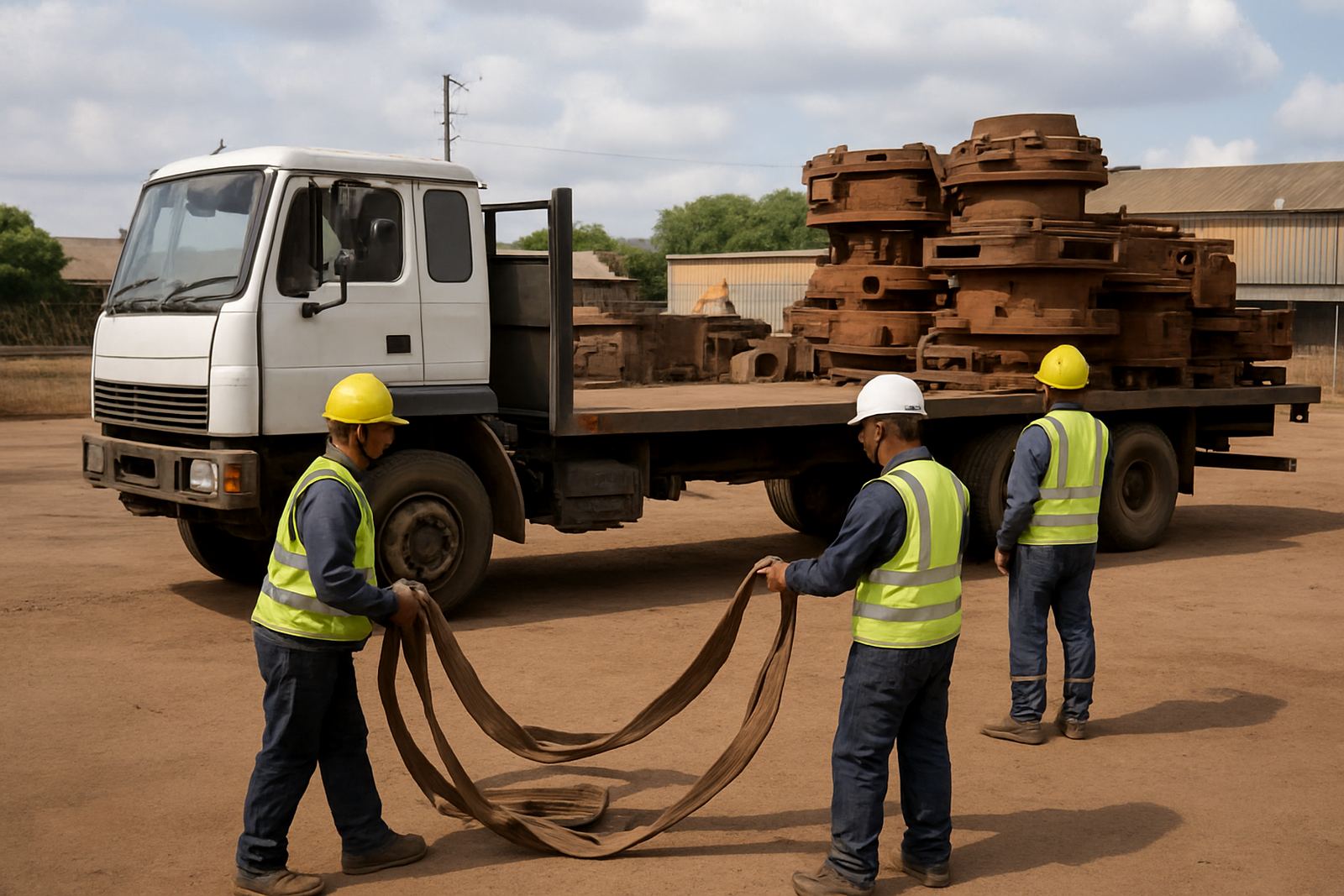
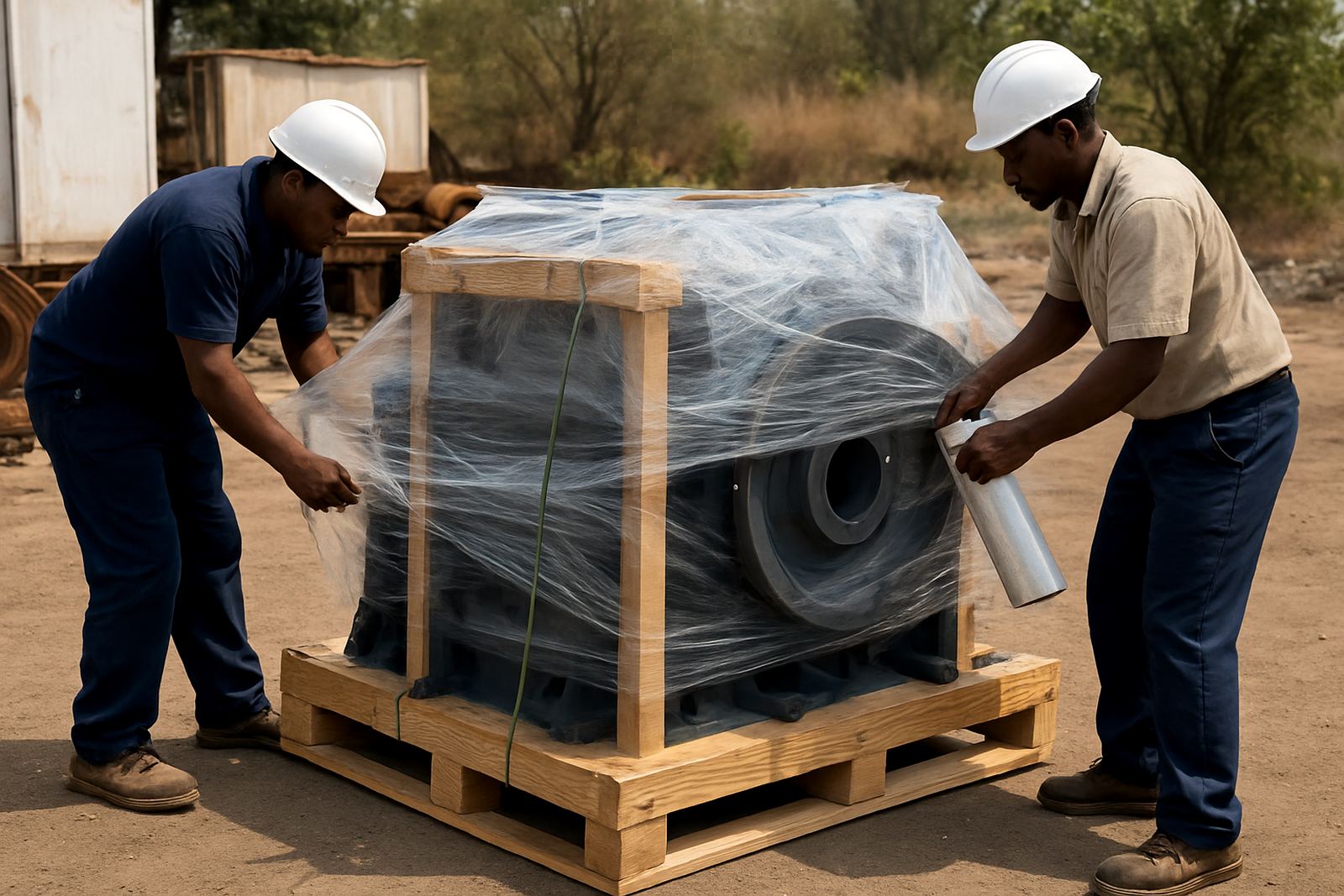
Many surplus items sit unused because nobody has the space to keep them safe. Our yard team under Johan Steenkamp stores listed stock in organised bays so parts stay identifiable and accessible. Smaller items are palletised and packed, while larger components are moved with suitable lifting gear and loading plans. This helps reduce handling damage and keeps parts ready for dispatch when a buyer confirms the order.
We also arrange local collections and nationwide delivery from Middelburg to quarry and mine sites across South Africa. Load planning takes account of item size, route access, offloading requirements and timing around shutdowns. For heavier items, we confirm whether a site needs a crane, forklift or flatbed access before the truck leaves. In areas where municipal access rules or site permit controls apply, we work around the timing so the load arrives when it can actually be accepted.
- Organised yard storage by part type and status
- Palletising for smaller crusher spares
- Protective packing for machined faces and threads
- Collection and delivery scheduling to suit shutdown dates
Turnaround, Pricing And Exchange Options
Turnaround depends on the size of the part and how much information is available at intake. Simple listings can be completed quickly once the part has been identified and photographed. More technical items need extra checking, especially when the machine model is unknown or the item may have been repaired before. For urgent spares search requests, we can prioritise the listing if the stock is already on hand and ready to move.
Our pricing approach is based on condition, demand, storage cost, handling effort and whether the item is sold as exchange stock or consignment stock. Some surplus parts are best priced for direct sale, while others are better handled on an exchange basis to offset the cost of replacement components. We also assess scrap value where a part is beyond practical reuse. This keeps the listing honest and helps the owner recover as much value as possible without dragging the item around for months.
Because every quarry and mine has different budget pressure, we keep the numbers practical. One customer may want fast clearance before a shutdown, another may want to hold stock until the right buyer is found. We can work either way, but we always keep the record trail neat so there is no confusion later on.
Maintenance Intervals And When To Refresh A Listing
Surplus stock is not static. A part that was clean and ready six months ago may have picked up rust, dust or handling marks, especially in open yards or during the wet season. For that reason, we recommend reviewing stored listings at regular intervals. Lightly used or shelved crusher spares should be checked every 3 to 6 months, while high-value items or machined surfaces should be inspected more often if they are exposed to humidity or frequent movement.
During each review, we confirm whether the photos and condition notes are still accurate, whether the part needs re-packing, and whether it should stay listed, be repriced or be moved to scrap. If a buyer needs a part for a shutdown in eMalahleni, Rustenburg, Polokwane, Kathu or Pietermaritzburg, current information saves time and avoids a failed dispatch. It also helps the seller know if the stock is still saleable or if the wear has moved it into another category.
For clients with regular plant changeouts, we can build a standing review cycle around planned maintenance intervals. That is useful for jaw plates, mantle sets, liners, bearings, shafts and other items that often move in batches. A tidy record today means less chasing next month, and less stock getting forgotten in the corner of the yard.
Key facts
| Part types | Jaw, cone, impact, screen and feeder spares |
|---|---|
| Recording detail | Photos, measurements, wear notes and storage reference |
| Typical listing turnaround | Same day to 3 working days, depending on inspection |
| Service area | Middelburg base with support to all major quarry and mine regions |
| Storage options | Short and medium term yard storage with palletising |
| Dispatch options | Local collection, nationwide delivery and shutdown support |