
Collection arrangements for surplus spares
Local collections are used when a quarry or mine has surplus crusher spares that should be listed, inspected and moved out of site without slowing down operations. The aim is to clear valuable stock from storerooms, workshops and laydown areas and place it into the exchange stream where another site can use it. That helps with space, cashflow and waste reduction, especially when you are carrying parts that no longer match the current plant setup.
We handle collections from sites in Middelburg and the wider Mpumalanga belt, as well as major mining and quarry corridors in North West, Limpopo, Northern Cape and KwaZulu-Natal. Typical items include jaw crusher spares, cone crusher parts, impact crusher wear items, screens, shafts, bearings, frames, liners, toggles, fasteners and related assemblies. If a part is heavy, awkward or sensitive to dust and moisture, collection planning starts with how it will be lifted, wrapped and recorded.
What is included in a local collection
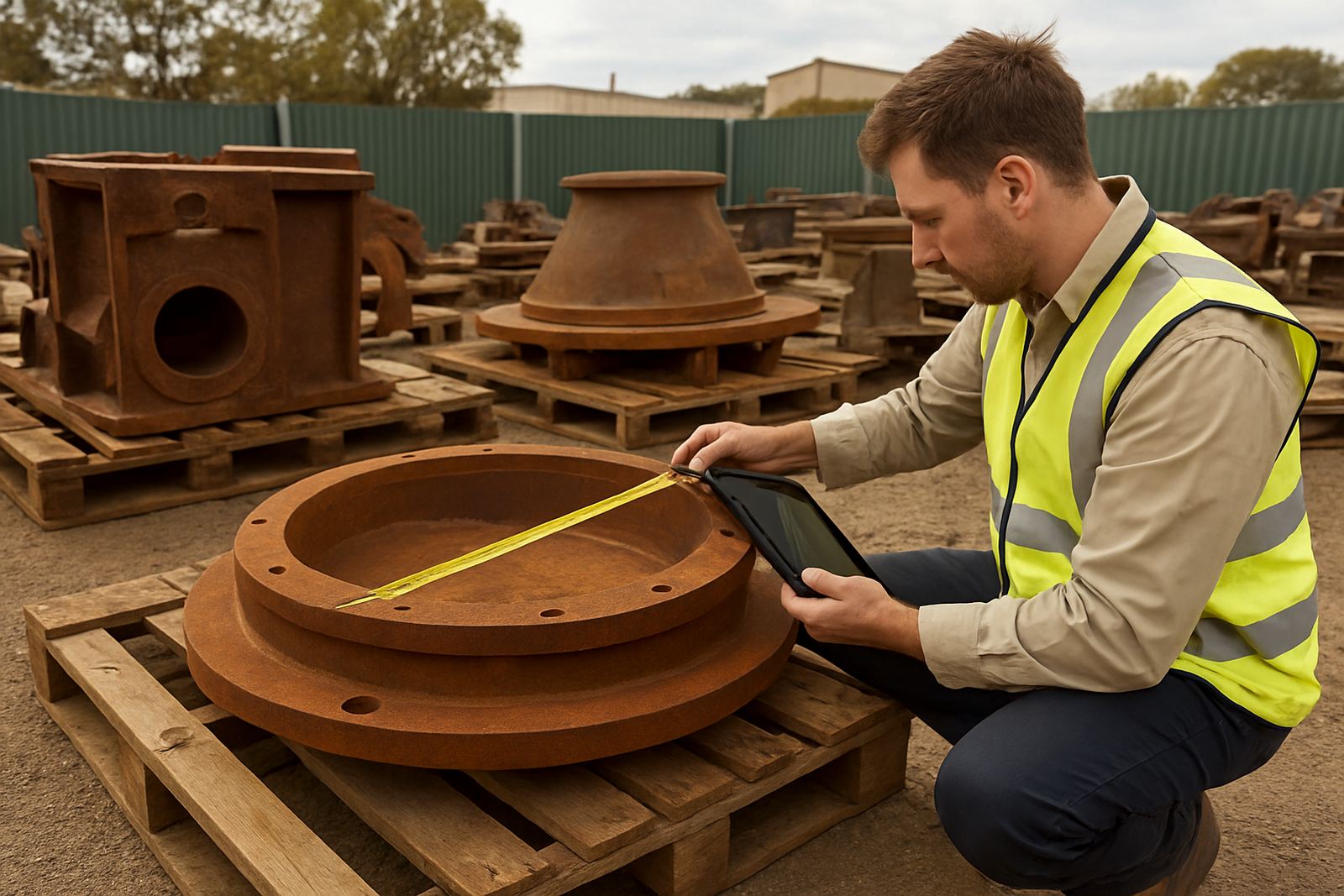
A local collection is more than loading a truck. It includes the practical steps needed to move surplus stock from your yard into our Middelburg base or direct into an exchange holding area. We check the item condition, label it properly and make sure the handover record matches what was collected. Where needed, our yard team also separates scrap from exchangeable material so you do not lose usable value in mixed piles.
- Site-to-site collection planning with a clear item list
- Visual inspection and basic condition notes before loading
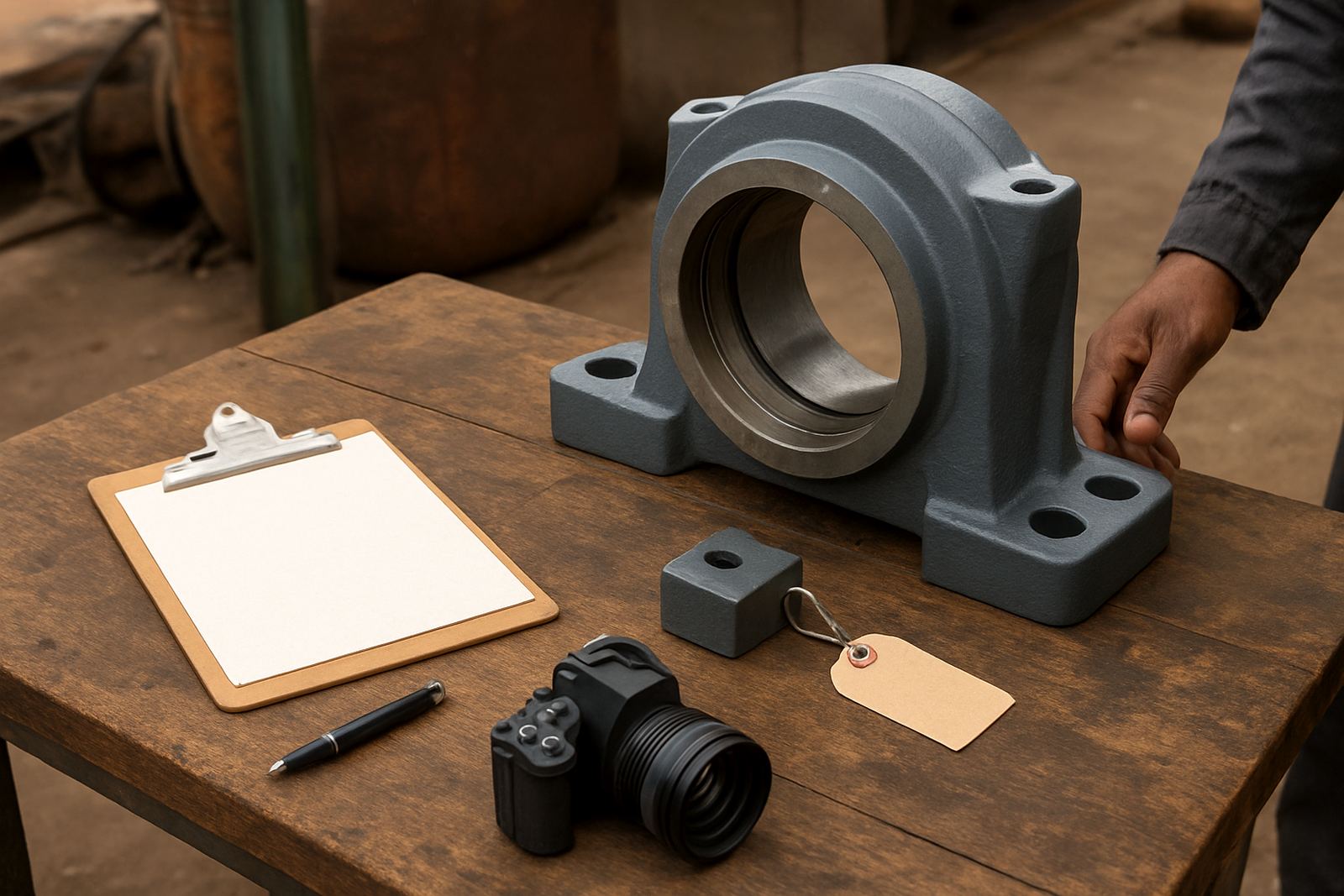
- Labelling, palletising and protective wrapping where suitable
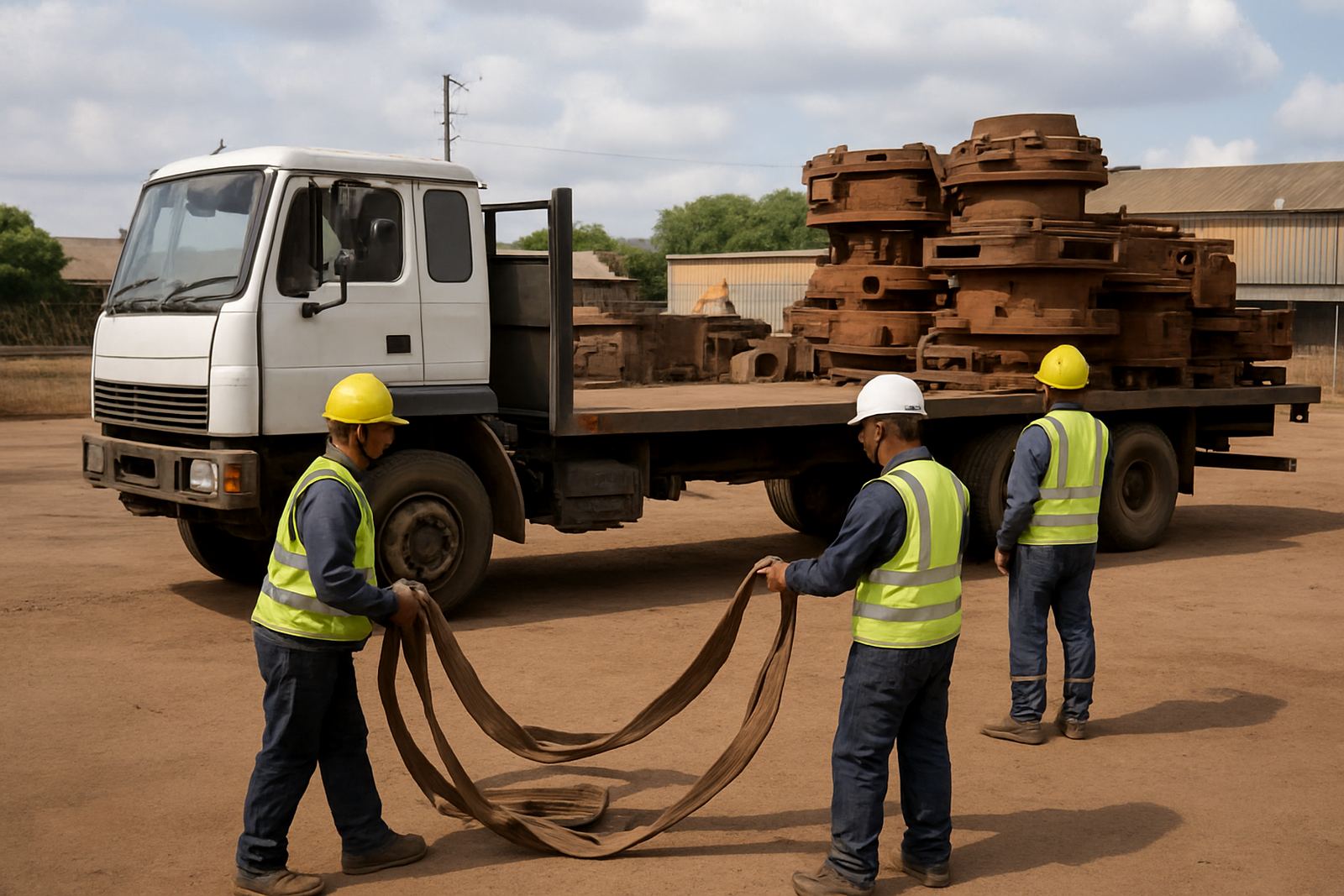
- Loading coordination for forklifts, cranes or manual handling on smaller parts
- Secure transport to Middelburg Yard or an agreed receiving point
- Collection records for traceability and exchange follow up
For parts that are still serviceable but have surface wear, we note the condition and advise whether the item is better suited for exchange, consignment or scrap. That decision is important in older plants where replacement lead times can stretch during shutdowns and load-shedding periods.
How the collection process runs
The process is straightforward and built around clear communication. Lerato Maseko and the operations team coordinate the movement, while Sibusiso Ndlovu handles inspection points and Johan Steenkamp makes sure the yard side is ready for receiving. When the stock is in transit, Mpho Rakoma oversees the logistics schedule so trucks are matched to the load size and route.
- Send the item details through the enquiry form on our contact page.
- We confirm the part type, approximate dimensions and quantity.
- Photos or a site walk-through are arranged if more detail is needed.
- Collection timing is set around your production or shutdown window.
- On collection day we verify the load, secure it and issue the handover note.
- The stock is received, checked again and moved into storage or listing.
For larger loads, we also consider road access, loading bay height, turning space and whether the site has live plant movement nearby. In dusty quarry conditions and hot Lowveld weather, those small details matter because damaged packaging or poor access can slow the whole job down.
Turnaround times and site readiness
Turnaround depends on the part volume, site location and how quickly the stock can be released for collection. Small collections within Middelburg or eMalahleni can often be arranged quickly, while longer routes into Polokwane, Kathu or Pietermaritzburg need transport planning and route confirmation. We work with practical timelines, not promises we cannot keep.
For urgent clear-outs before a maintenance shutdown or site audit, it helps to have part numbers, quantities and clear access ready on the day. If the stock is stored in bins or on mixed pallets, a little sorting before collection can reduce handling time and improve the chance of a better exchange outcome. In many cases, one well-organised collection saves two or three follow-up trips, which is better for cost and for the site team as well.
- Small local loads: often the same week, subject to route and vehicle availability
- Medium loads: usually scheduled after item verification and packing confirmation
- Large or mixed loads: planned around lifting equipment, access and storage space
- Urgent shutdown clearances: prioritised where transport and receiving space allow
Pricing approach for collections
Pricing is based on the actual collection effort, not a flat guess. The main factors are distance, load size, handling requirements, packing material and whether special lifting equipment is needed. A simple pallet of lighter spares costs less to move than a heavy crusher assembly that needs a crane and extra securing. If the collection also leads to a sale or exchange, the value of the stock can offset part of the handling cost.
We keep the pricing approach practical. If a load has enough resale value, the collection may be structured to support the exchange process. If it is mixed with scrap, the usable portion is separated first so you know what is paying its way and what is not. That makes it easier for mines and quarries to plan maintenance spend and avoid leaving good stock to weather in an open yard.
Because every site is different, we quote after basic details have been checked. That includes location, part type, access conditions and whether the load must be packed for long-distance transport. We are upfront when a collection is better done in stages, especially where a yard has limited space or a plant is operating under tight safety control.
Storage, maintenance intervals and handling after pickup
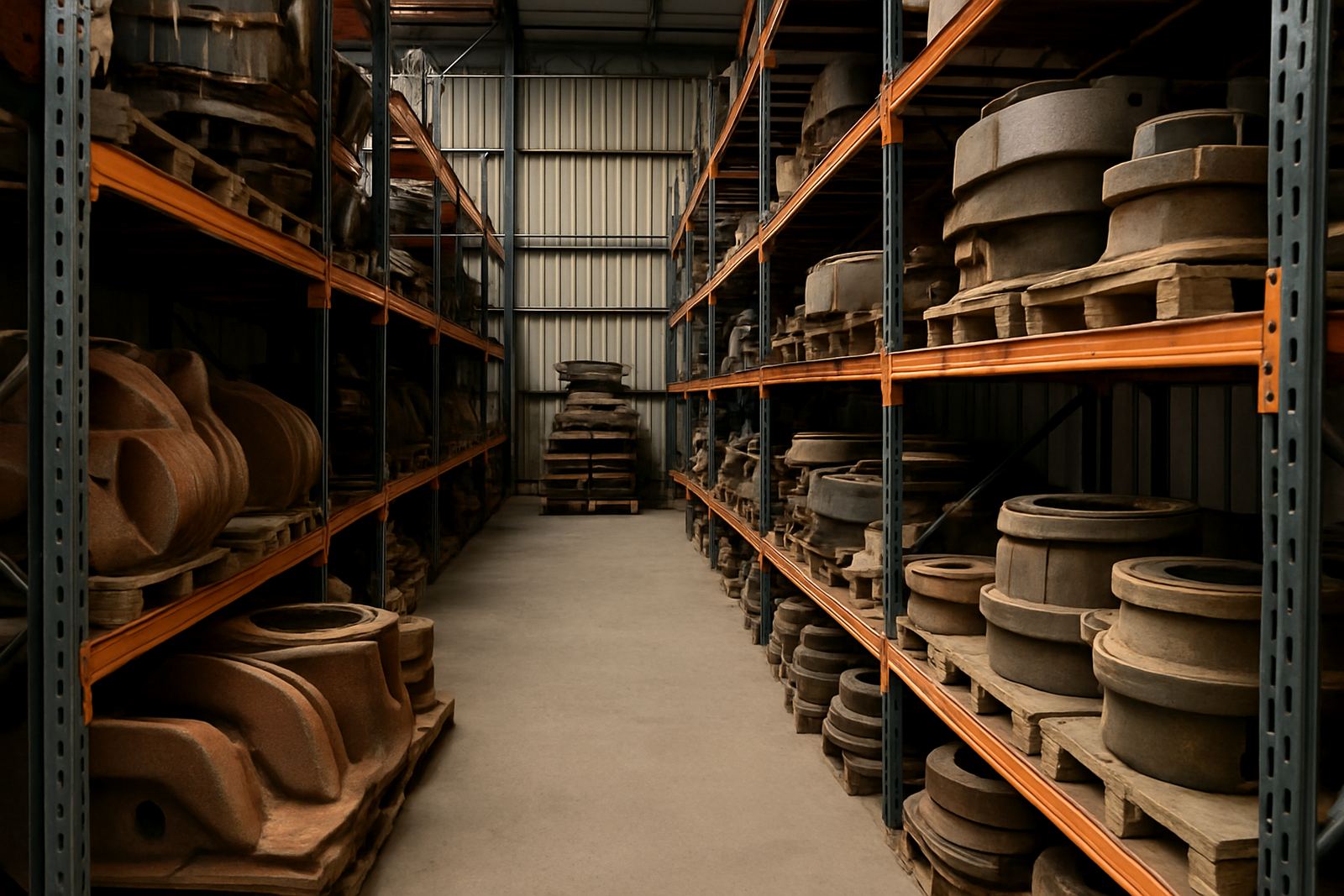
Once collected, parts are stored with attention to condition and rotation. Bearings, shafts and machined items are kept off the ground, wrapped where needed and checked for moisture exposure. In coastal or humid conditions, we inspect packaging and surface condition more often because rust can start quickly if parts are left open. A 3 month check is sensible for stored metal parts in busy yards, while heavily greased or sealed items may need a different interval depending on the part type.
Our yard process keeps the stock ready for quick resale or exchange, and that starts with how the item arrives. Palletised loads are easier to move, count and inspect than loose mixed piles. If a part is sensitive to knocks or contamination, we treat it as such from collection onward. The result is less damage and better value when the item is matched to another quarry or mine.
- Dry storage for machined and greased parts
- Raised storage to reduce moisture contact from concrete floors
- Regular visual checks for corrosion, cracks and missing fasteners
- Repacking after inspections if the item is to remain in storage
Thabo Johannes Mokoena and the team keep the process geared for the quarrying sector, where parts need to be traceable and ready when the plant calls for them. That is especially useful when maintenance windows are short and every hour counts.
Why local collections help the exchange market
Local collections keep surplus spares moving instead of sitting idle in stores. They reduce waste, free up valuable floor space and make it easier for a second site to buy or exchange what it needs. For operators in Middelburg, Secunda, Lydenburg and the wider province, that means less clutter, less dead stock and fewer repeat purchases for the same component.
They also support better decision-making. If a part is collected, inspected and recorded properly, the receiving site can decide whether to fit it, hold it for shutdown cover or use it in a planned exchange. That is the practical benefit of a system built around used crusher spares rather than one-off disposal. It keeps value in circulation where the quarrying community can use it.
When you have surplus stock ready to move, send the details through the enquiry form on our contact page. We will confirm the next step and arrange collection around your site conditions, your schedule and the load type.
Key facts
| Base area | Middelburg, Mpumalanga |
|---|---|
| Collection footprint | South Africa, including eMalahleni, Rustenburg, Polokwane, Kathu and Pietermaritzburg |
| Typical part sizes | Small wear items to heavy crusher assemblies |
| Handling methods | Forklift, crane, palletised manual loading where suitable |
| Storage interval check | 3 months for open-stored metal parts, sooner in humid conditions |
| Service use cases | Surplus clear-outs, shutdown sourcing, consignment intake, exchange stock transfer |