What our condition reports cover
Our condition reporting service is built for used crusher spares that still need a proper decision before they change hands. Each report records the visible condition of the part, the likely serviceability, and any signs of wear that may affect fitment, safety, or remaining life. This is useful when a quarry is balancing shutdown timing, stock holding, and cash flow, especially when a crusher cannot wait for a part to be guessed at.
We inspect surplus parts in our Middelburg yard or at client sites where access allows. Reports are prepared for common crusher spares and associated wear components, including mantles, concaves, jaw dies, toggle seats, cheek plates, blow bars, liners, shafts, bearings, housings, housings, spider components, seals, and fabricated support items. We also record the condition of fasteners, keyways, mounting faces, and any damage caused by storage, moisture, impact, or previous stripping.
- Visual inspection with condition notes
- Measurements for critical wear faces and mounting points
- Surface damage and corrosion findings
- Missing parts, cracks, distortion, or repairs noted
- Serviceability recommendation for reuse, rework, or scrap
How the reporting process works
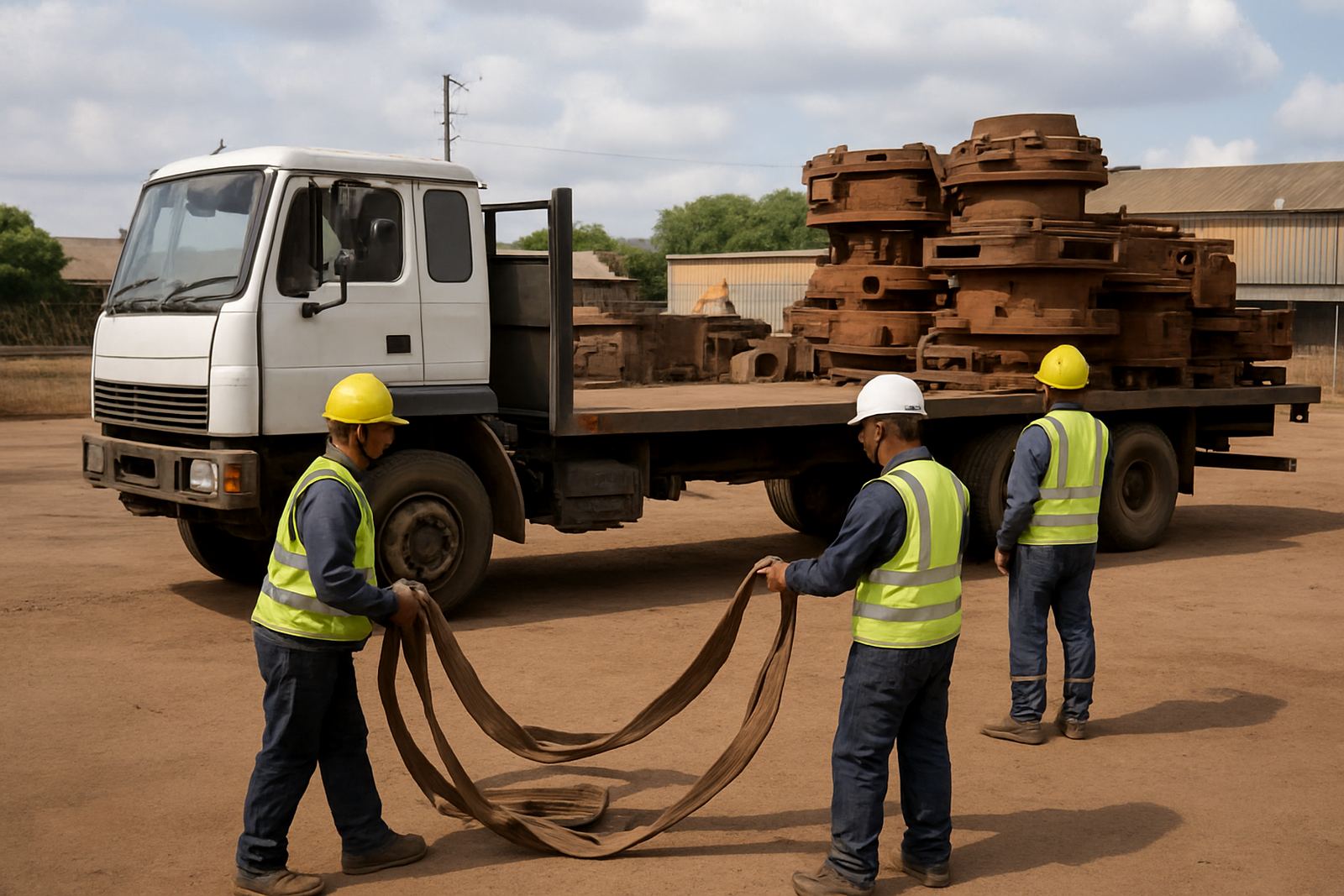
The process is kept practical so procurement teams, maintenance foremen, and stores staff can use the results without extra follow-up. Once we receive a request through the contact page, we confirm the part description, quantity, and whether the item is at our Middelburg base, in a regional yard, or at another site. For items coming from eMalahleni, Rustenburg, Polokwane, Kathu, Pietermaritzburg, Secunda, or Lydenburg, we arrange inspection timing around loading windows and site access rules.
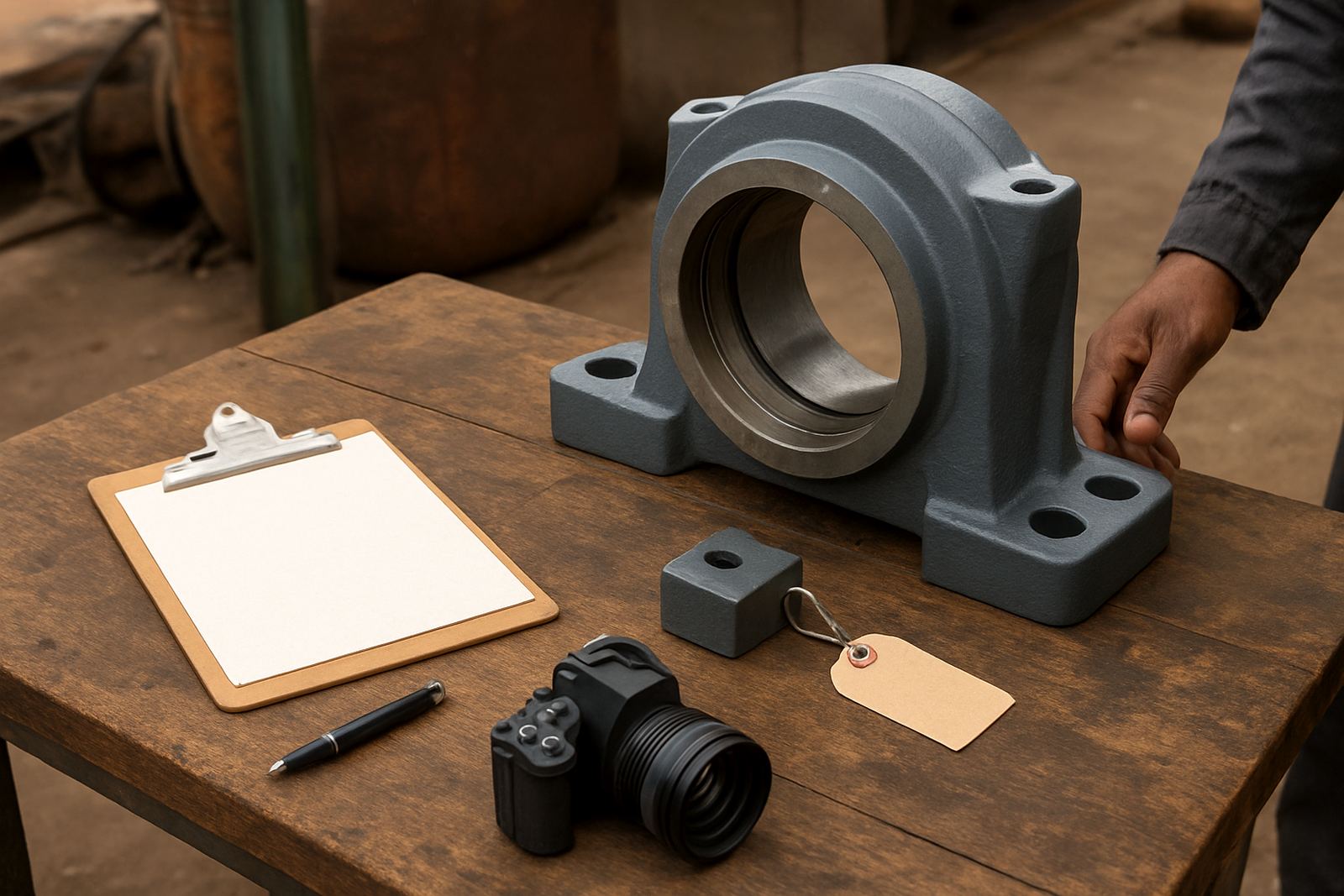
After the physical check, our team records the part number if visible, the dimensions that matter for fitment, and the observed condition under normal yard lighting. Where necessary we compare wear against typical replacement limits, especially for parts that have to match a crusher setting or liner profile. A report is then shared in plain language so the buyer or seller can decide whether to keep it in exchange stock, price it as repairable, or move it as scrap. No guesswork, no vague wording.
- Step 1: Send the part details and location
- Step 2: Confirm access, quantity, and urgency
- Step 3: Inspect and measure the item
- Step 4: Record findings and recommendation
- Step 5: Use the report for sale, exchange, repair, or disposal
What the final report includes
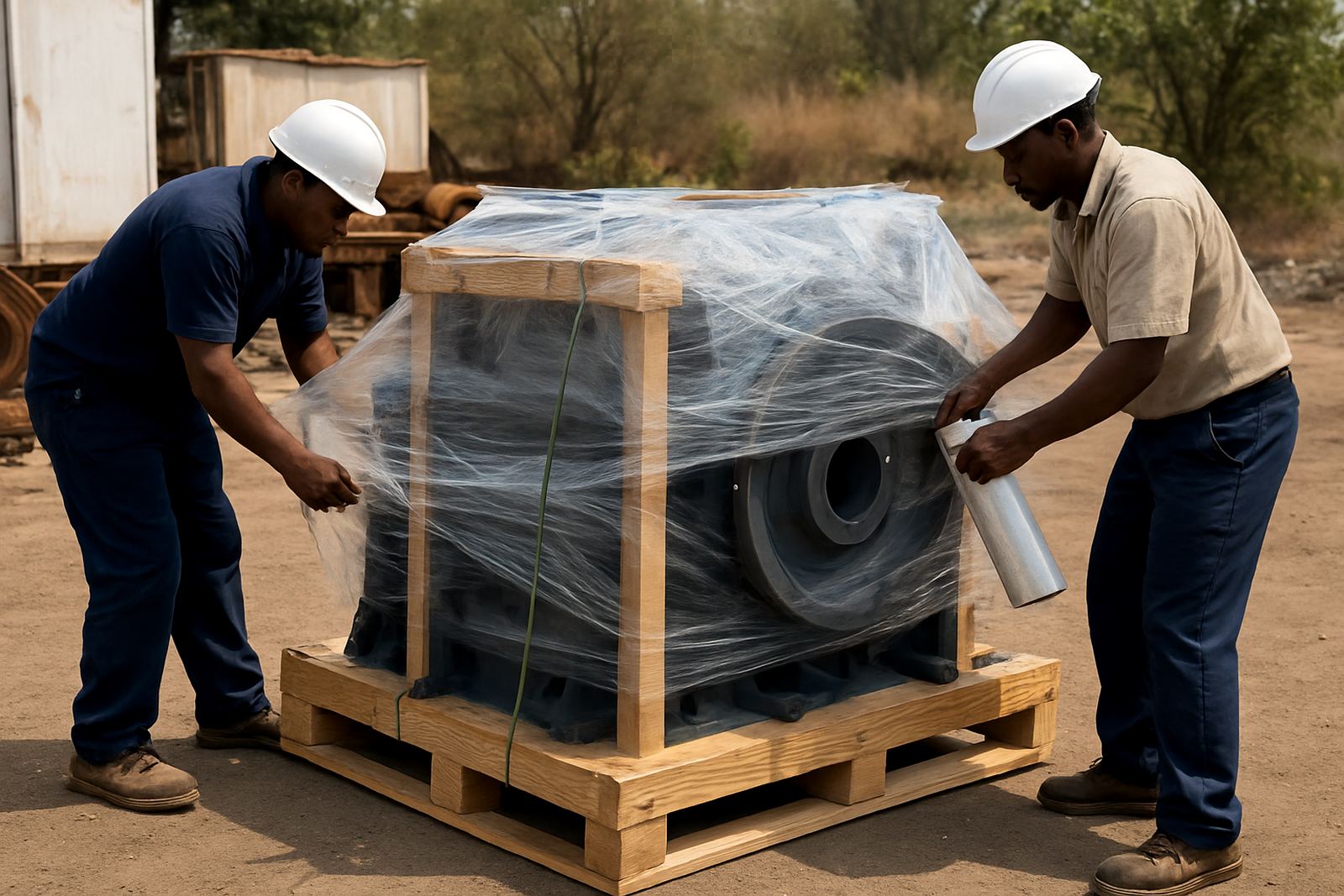
Every report is written for the people who have to make the call on the ground. It includes a clear summary of the item, the condition rating, key measurements, visible defects, and any handling concerns. If the part has been in storage for a long time, we note signs of rust, dust ingress, seal deterioration, or movement damage from poor stacking. In coastal humidity conditions or in yards exposed to rain and wind, those details matter because a part can look usable at first glance but fail once it is put back into service.
We also include a practical comment on the likely next step. That might be fit as is, clean and reuse, repair before fitment, keep for exchange value, or strip for salvage. If the item is likely to suit a shutdown or planned maintenance interval, we say so. If it is not worth moving, we say that too. Our clients use these reports to avoid spending money on transport, storage, and labour for parts that will not pay back.
- Part description and reference details
- Condition rating and plain language comments
- Measurements where wear affects fitment
- Notes on cracks, distortion, corrosion, or previous repairs
- Recommendation for reuse, repair, exchange, or scrap
Turnaround and service timing
Turnaround depends on where the part is, how many items need checking, and whether a site visit is required. Small single-item reports can often be completed quickly, while mixed lots or loaded shutdown stock may take longer. For urgent spares search work, we can prioritise items that must be assessed before a crusher outage or before a truck leaves the yard. In busy periods we still keep the process orderly so the report remains accurate and does not become a rushed note with missing facts.
Where the part is already at our Middelburg yard, the reporting step is usually faster because access is straightforward and the item can be handled safely. For regional areas such as eMalahleni, Rustenburg, Polokwane, Kathu, or Pietermaritzburg, timing may depend on route planning and site rules. Load-shedding, weather, and mine access controls can affect same-day movement, so we always work with a realistic schedule rather than promising what cannot be kept.
Pricing approach and when it makes sense
We price condition reporting according to the number of parts, the inspection depth required, and whether the work is done in yard or on site. A single item with a straightforward check is priced differently from a batch report involving multiple spares, measurements, photos, and follow-up exchange advice. The aim is to keep the cost proportionate to the value of the part, because a report should help protect margin, not eat into it.
Condition reporting makes sense when a quarry is unsure about the resale value of surplus stock, when a mine wants to confirm what can be reused after a shutdown, or when a buyer needs proof of condition before committing transport. It is also useful where storage has gone on for months and no one wants a dispute later about what was promised. The report gives both sides a fair basis for exchange and helps reduce write-off losses.
Maintenance intervals and recheck planning
Crusher spares do not stay in the same condition forever, especially when they are stored in open yards or moved between sites more than once. We recommend rechecking critical items at sensible maintenance intervals, particularly after heavy rain, dust exposure, long storage periods, or a move from one region to another. In the North West, Limpopo, Mpumalanga, and KwaZulu-Natal, temperature swings and humidity can change surface condition faster than many buyers expect.
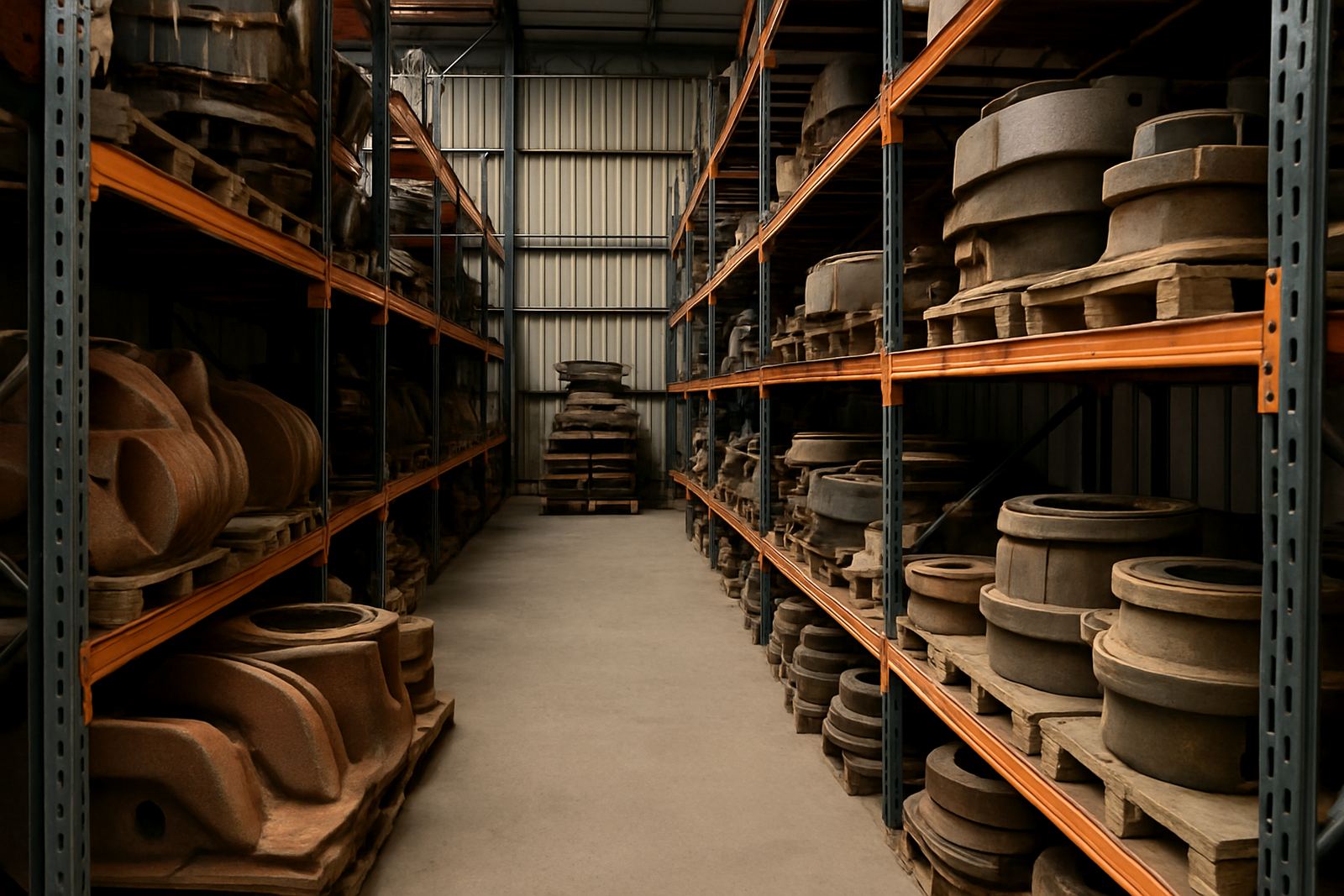
As a practical guide, parts that are held as exchange stock should be reviewed before each planned shutdown cycle and again after any long idle period. Items stored near the coast or in open steel racks may need a fresh check for corrosion, seal hardening, or moisture damage. For items used in high wear circuits, the key is to confirm whether the part still matches the next maintenance window and whether the remaining life justifies transport and fitment. Our reports are meant to support that decision, not replace proper plant maintenance planning.
- Review stock before each planned shutdown
- Recheck after long storage or weather exposure
- Inspect again after any site-to-site move
- Confirm fitment against the next maintenance interval
Key facts
| Base | Middelburg, Mpumalanga |
|---|---|
| Service area | eMalahleni, Rustenburg, Polokwane, Kathu, Pietermaritzburg, Secunda and Lydenburg |
| Typical item types | Mantles, concaves, jaw dies, blow bars, liners, shafts, housings, seals and fabricated spares |
| Report format | Plain language summary with measurements, condition rating and recommendation |
| Turnaround | Depends on item count, access and location, with urgent jobs prioritised |
| Pricing basis | By part count, inspection depth and whether the check is in yard or on site |