
Why fitment checks matter before a spare changes hands
In quarry and mine work, a part can look right at a glance but still miss by a few millimetres on bolt centres, bore size, keyway width or overall height. That small difference can stop a shutdown crew on site, waste crane time and leave a crusher sitting idle while everyone waits for a replacement.
Our fitment checks are built for that risk. We use dimensional cross checks to compare the spare against known fitment data, available drawings and the physical item itself before it is released for sale, exchange or dispatch. The process is especially useful for jaw crushers, cone crushers, impact crushers and screens where liner profiles, shaft ends and mounting patterns must line up properly.
For clients in Middelburg, eMalahleni, Rustenburg, Polokwane, Kathu and Pietermaritzburg, the value is simple: less guesswork, fewer return trips and a cleaner handover when the part leaves the yard.
What our fitment checks include in the yard
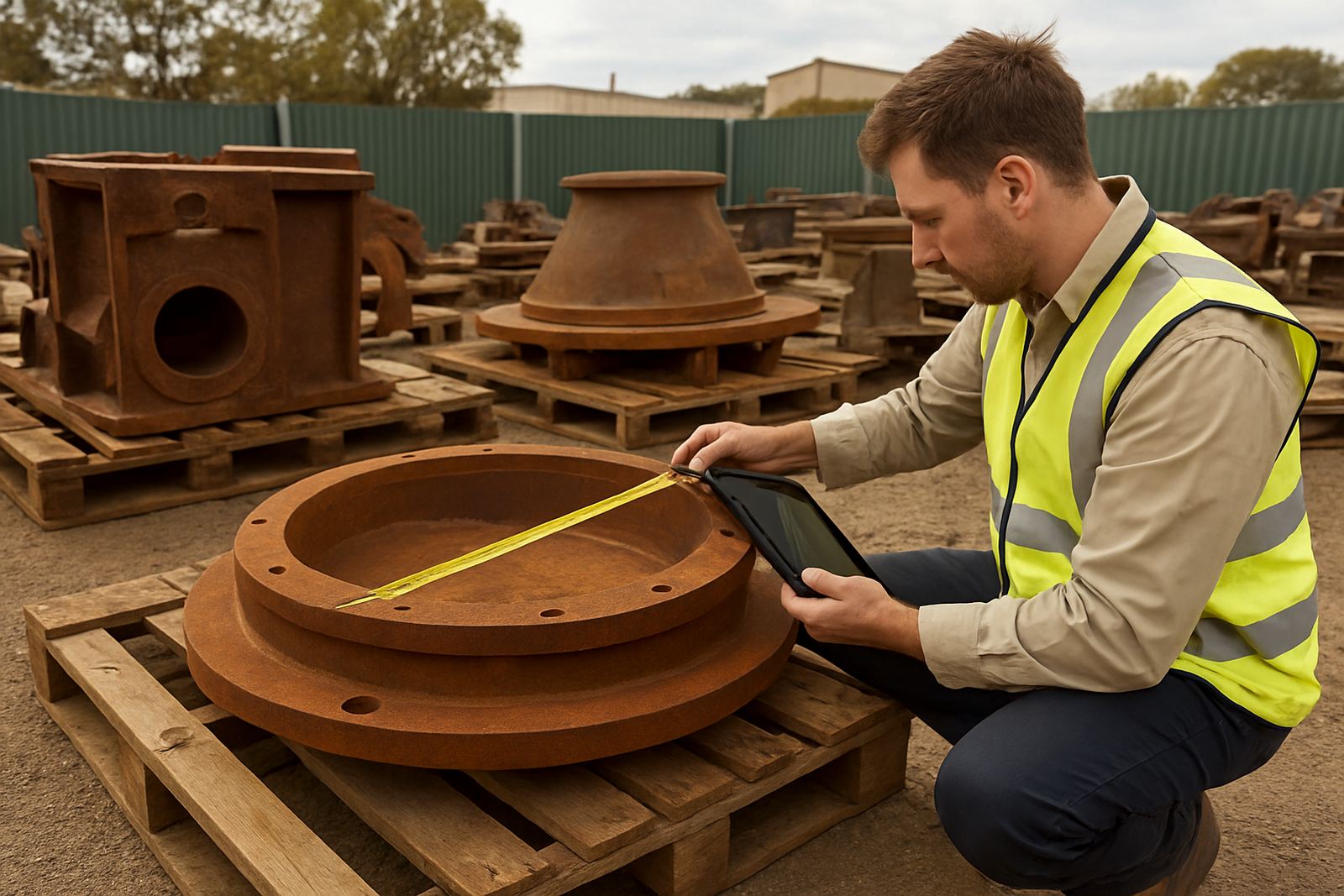
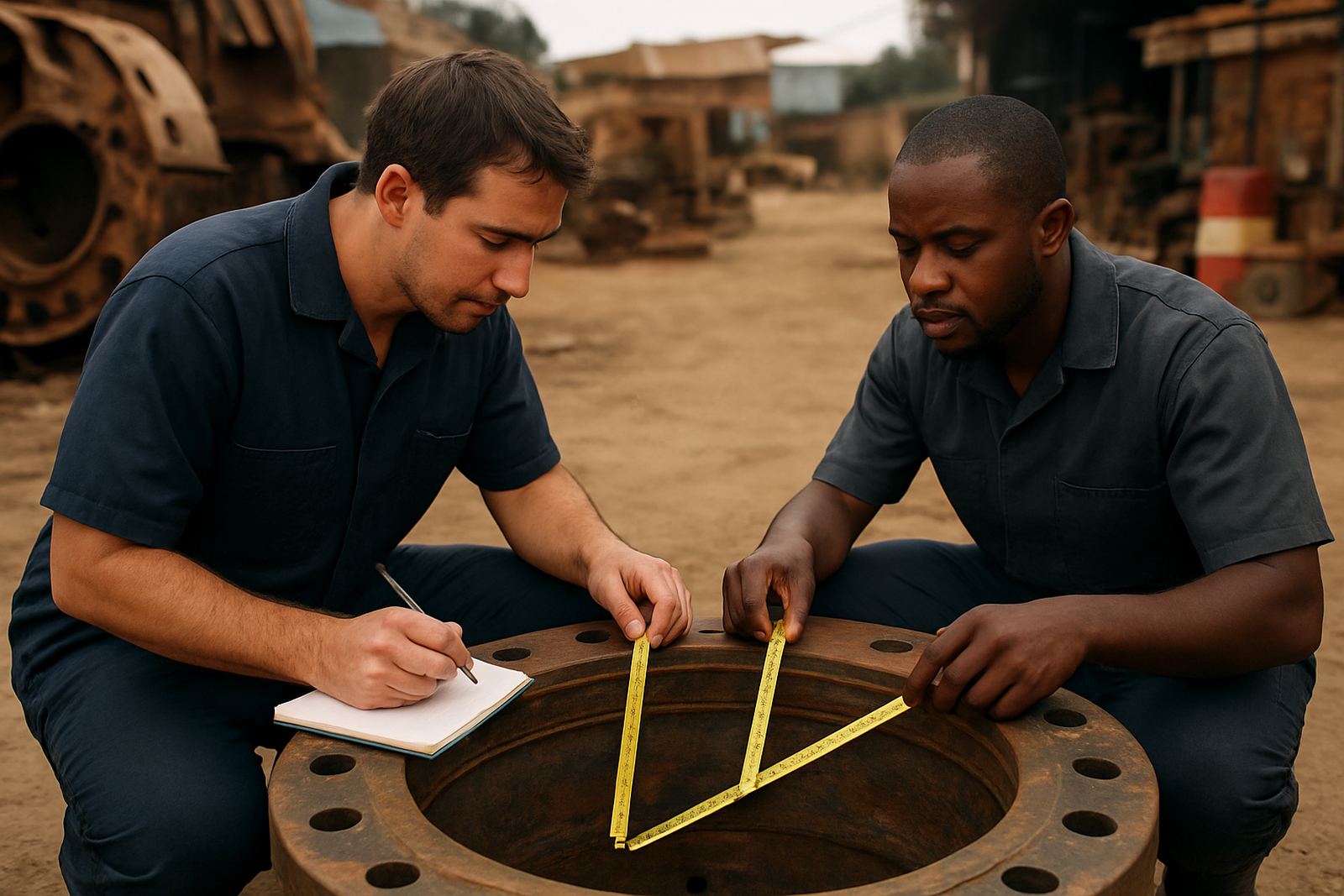
Each check is done against the item on hand, the part description supplied by the seller and the intended machine application where details are available. We note the measurements that matter most to fitment, not just the general condition of the spare.
- Bolt hole centres, slot spacing and face-to-face dimensions
- Shaft diameters, bore sizes, taper details and keyway measurements
- Thickness, wear face condition and remaining service life estimates
- Mounting bracket positions, lug locations and overall clearance points
- Left and right hand orientation, profile shape and rotational fit
- Visible cracks, distortion, prior repairs and signs of heat damage
Where needed, we also check whether the part matches common tolerances for the crusher type. If a liner, cheek plate or wear plate has uneven wear, we record the usable areas and the areas that are no longer suitable. That helps clients decide whether the spare is fit for immediate use, needs rework, or should be kept for a later stage in the plant.
Step by step from inspection to release
The fitment check process is kept direct so the buyer can make a quick decision without losing detail. Sibusiso Ndlovu coordinates the inspection side, while Johan Steenkamp and the yard team handle the physical movement and storage of the part during the check.
- Receive the spare into the Middelburg Yard or one of our regional holding areas
- Confirm the part description, machine type and any known serial or size data
- Measure critical dimensions with the correct tools and record the results
- Compare the item with the intended fitment requirements and note any mismatch risk
- Prepare the condition report and advise whether the part is ready for exchange, sale or further checking
- Pack, label and arrange collection or delivery once the buyer confirms
If a part is moved between the yard and a shutdown site, we can repeat the check before loading. That extra step is useful when a buyer is under pressure to meet a planned stoppage and wants a last look before the truck leaves.
Turnaround for urgent shutdown work and planned orders
Turnaround depends on part size, the amount of wear present and whether the item needs cleaning before measurements can be taken. Smaller spares can often be checked the same day. Larger liners, crusher frames, shafts and assemblies may take longer because handling and measurement need more care.
For urgent spares search work, we prioritise fitment checks when the buyer is waiting on a shutdown window. In practical terms, that means we try to complete the check fast enough for a same day or next working day decision where the part is already in stock and accessible. In colder months and during load shedding periods, lighting and safe movement around the yard can slow things slightly, so we plan around that and keep the process orderly.
When a part is coming from one of our regional areas, transport time also forms part of the turnaround. A fitment check for a part moving from eMalahleni or Secunda will usually move faster than one coming from further afield like Kathu or Pietermaritzburg. We keep clients updated through the enquiry process so they know what stage the part is at.
Pricing approach for fitment checks and reporting
We price fitment checks according to the size of the item, the complexity of the measurements and whether the part needs handling with lifting gear or extra packing. A simple check on a small wear part is priced differently from a large crusher assembly that must be moved, cleaned and measured in stages.
For buyers taking several spares at once, especially during shutdown sourcing, we can structure the pricing around a batch check. That is often better value than treating each item on its own. If the part is being stored at our yard before delivery, the fitment check can also be combined with condition reporting and palletising or packing, which helps cut the total handling cost.
- Single item checks for quick purchase decisions
- Batch checks for multiple spares from one machine or site
- Combined check and report pricing for exchange stock
- Optional extra handling if cleaning or repositioning is required
We keep the pricing practical and transparent because a buyer needs to know where the Rand is going before a shutdown starts.
Maintenance intervals and when to ask for a fresh check
Crusher spares do not hold their fit forever once they have been used, stored, moved or repaired. If a part has spent months on a rack in a coastal or dusty environment, or if it has been reworked after previous service, it is worth checking again before dispatch. Coastal humidity can affect surface condition, while dust and handling can change the way mating faces sit.
As a rule, we recommend a fresh fitment check when a part has:
- Been in storage for an extended period
- Been welded, machined or repaired after last inspection
- Changed hands between quarries or mines
- Been moved between regional yards or loading points
- Been earmarked for a planned maintenance shutdown
For high wear items, a periodic check before each major stop is sensible. That is especially true where the plant runs hard through the dry season and only gets a short maintenance window. A small change in wear can shift the fit, so a quick re-measure helps avoid trouble on site.
Who handles your fitment check at Crusher Spare Exchange
Crusher Spare Exchange is based in Middelburg, Mpumalanga and has been operating since 2012. Thabo Johannes Mokoena leads the business, with support from Lerato Maseko in operations, Sibusiso Ndlovu on inspection coordination, Anika van Zyl on sales and exchange, Mpho Rakoma on logistics, Nokuthula Dlamini in client support and Johan Steenkamp on yard storage control.
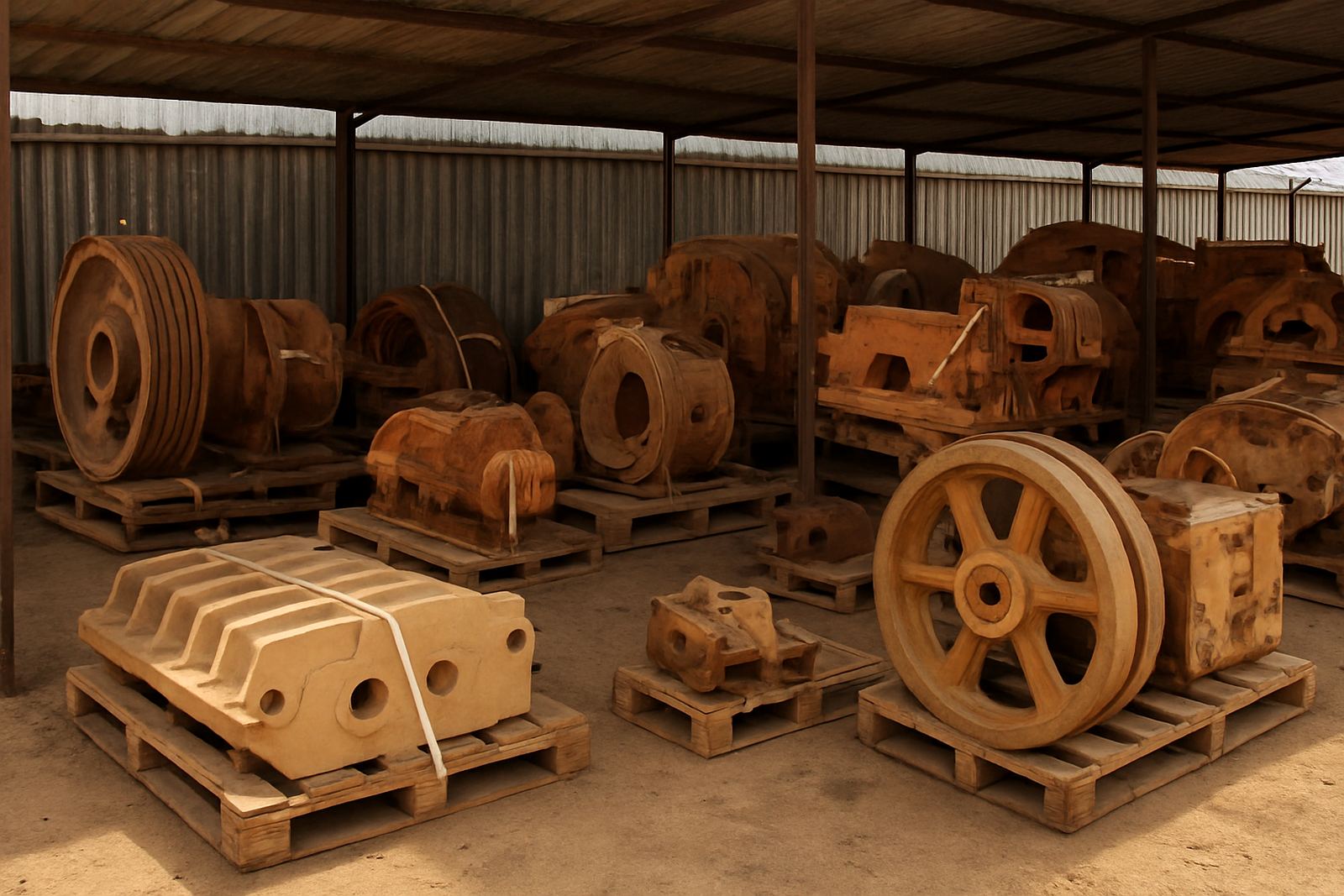
That structure matters because fitment checks do not stop at measurement. The part must be recorded properly, stored safely and then moved without damage. We handle that flow between the Middelburg Yard and our regional areas in eMalahleni, Rustenburg, Polokwane, Kathu, Pietermaritzburg, Secunda and Lydenburg so the buyer gets a clear result and a part that is ready for the next step.
If you need a fitment check before you buy, sell or exchange a surplus crusher spare, send your enquiry through the contact page and we will take it from there.
Key facts
| Service area | Middelburg, eMalahleni, Rustenburg, Polokwane, Kathu, Pietermaritzburg, Secunda, Lydenburg |
|---|---|
| Typical part types | Jaw crusher, cone crusher, impact crusher and screening spares |
| Key dimensions checked | Bolt centres, bore sizes, shaft ends, keyways, thickness and overall profile |
| Turnaround | Same day or next working day for many in-stock items, depending on size and handling |
| Pricing basis | Part size, measurement complexity, handling needs and batch volume |
| Report output | Condition notes, dimensional results and fitment risk summary |