
Put Spare Stock to Work Without Letting It Sit in the Yard
Consignment sales are for owners who have usable surplus crusher spares but do not want them sitting under dust, rain and sun for months at a time. We receive the stock, confirm what it is, assess condition, and list it in our exchange marketplace so buyers can find it when they need it. You keep visibility on the item until it moves, which suits quarries, mines and contractors that need value back from parts already paid for.
From our Middelburg base, we handle stock from eMalahleni, Secunda, Rustenburg, Polokwane, Kathu, Pietermaritzburg and other mining areas. This is practical for operations with shutdown pressure, uneven demand or duplicated spares after a rebuild. It also helps where municipal storage rules, site housekeeping standards or rain exposure make it better to move stock offsite. We work with crusherspares, screen parts and related components in sizes that are suitable for exchange rather than scrap.
What We Accept and How We Record It
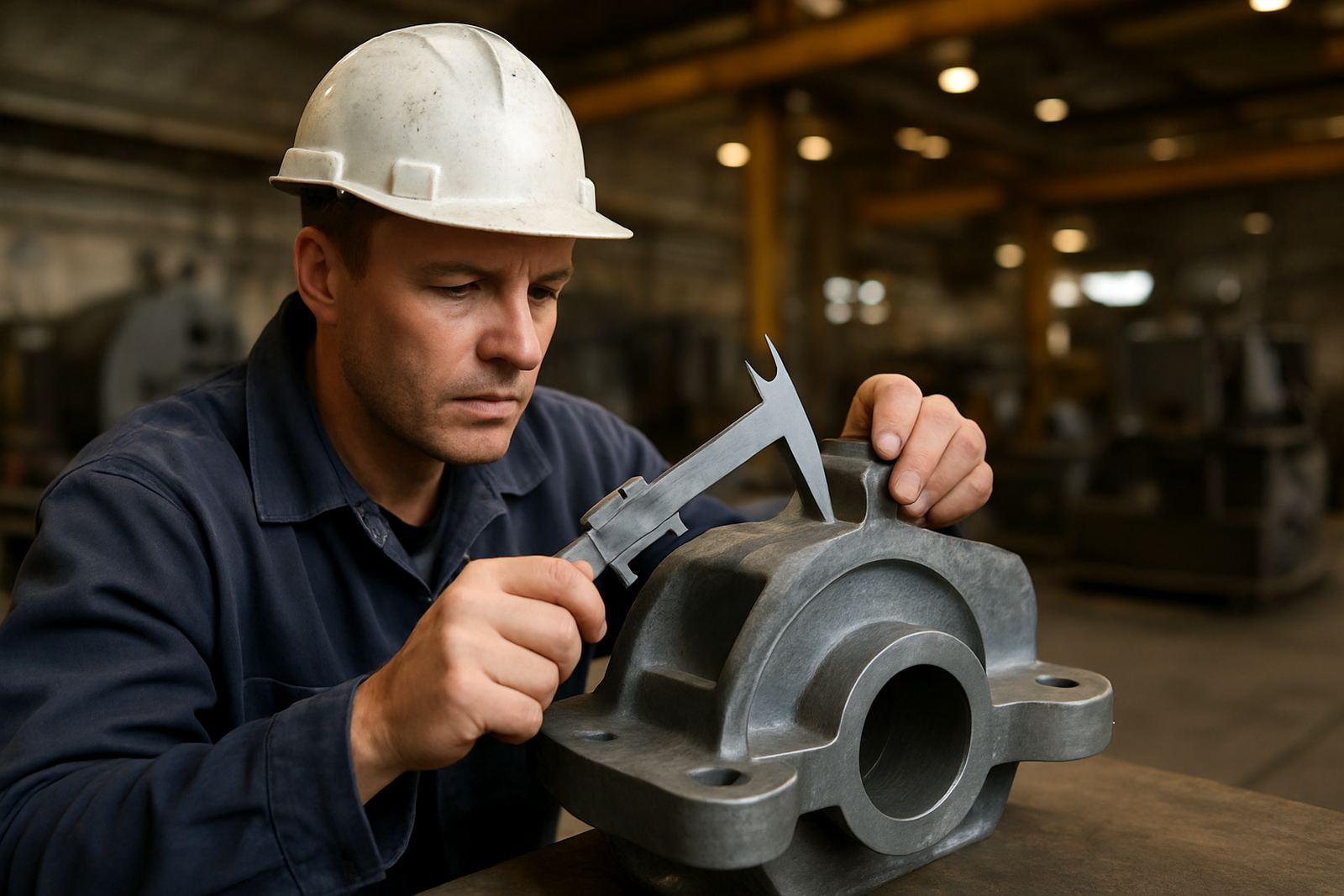
We focus on surplus items that still have usable life left and can be described clearly enough for a buyer to make a sound decision. Typical consignments include liners, jaws, cones, mantles, toggle parts, bearings, shafts, housings, wear plates, bolts, spacers, guards and selected structural items. We also handle matching sets and slower moving spares that are better sold through exchange than left in a laydown area. Condition needs to be honest and traceable, because buyers in the quarry sector want facts, not guesses.
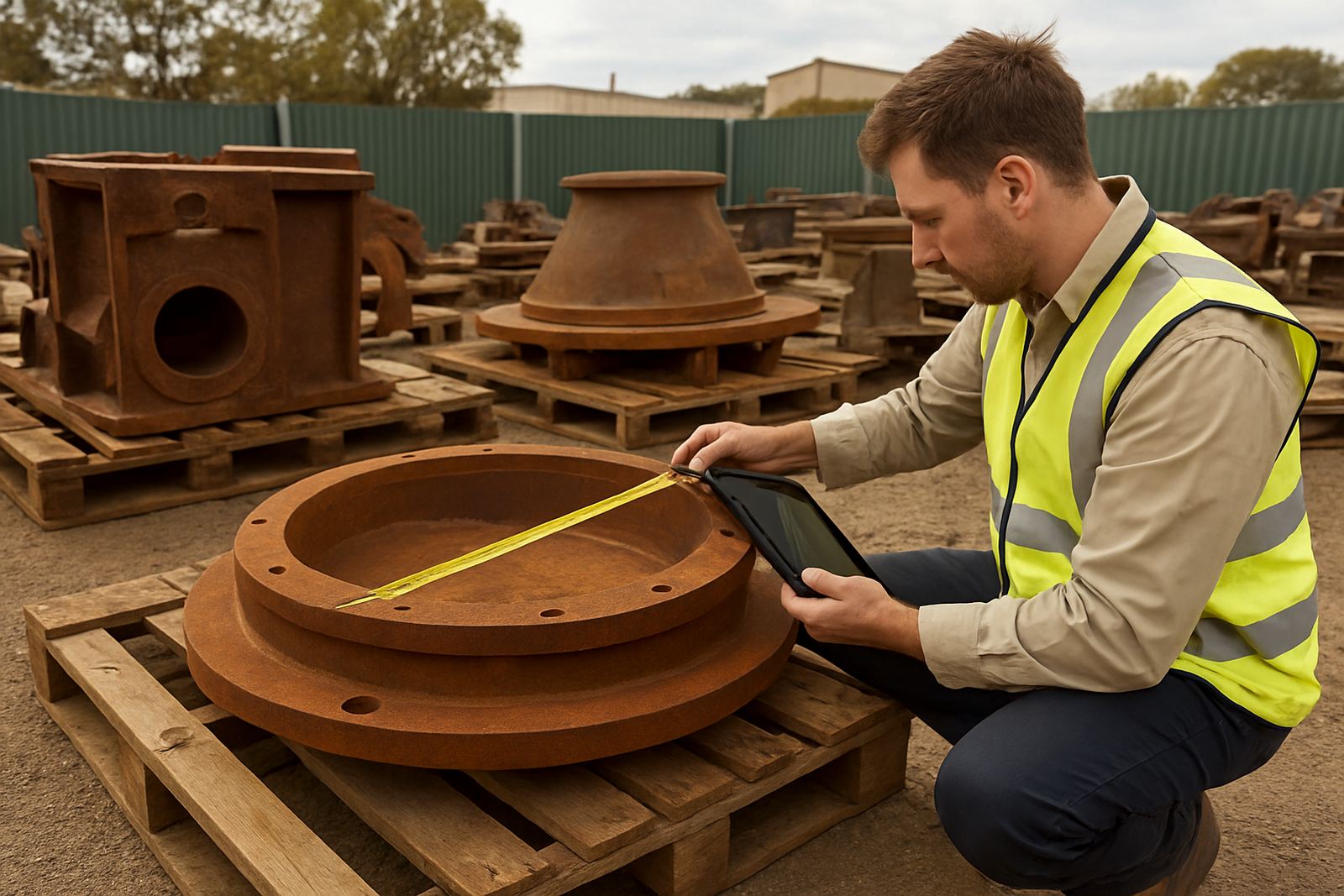
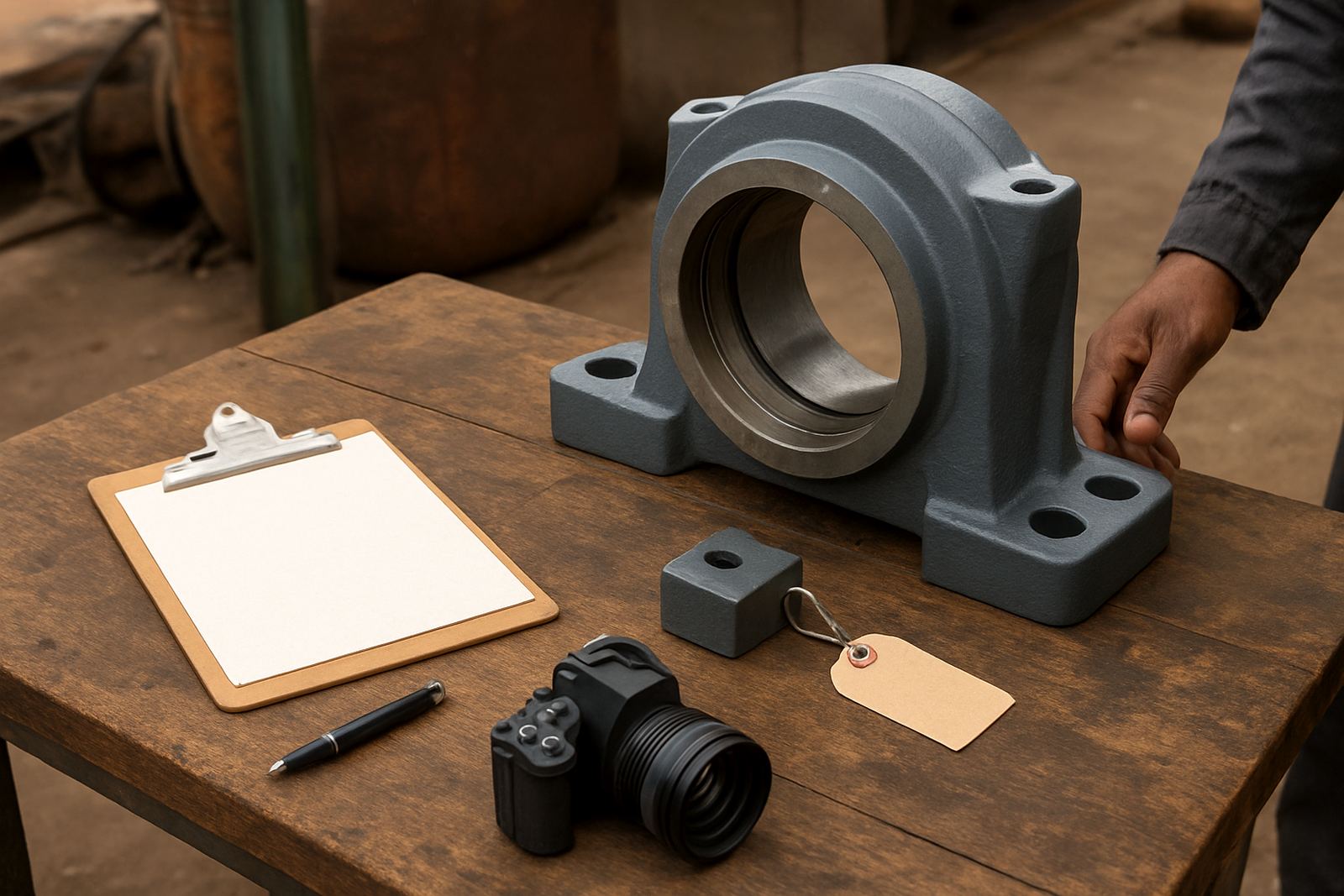
- Item identification with measurements, part references where available and photo records
- Visual inspection for wear, cracks, distortion, corrosion and previous repair work
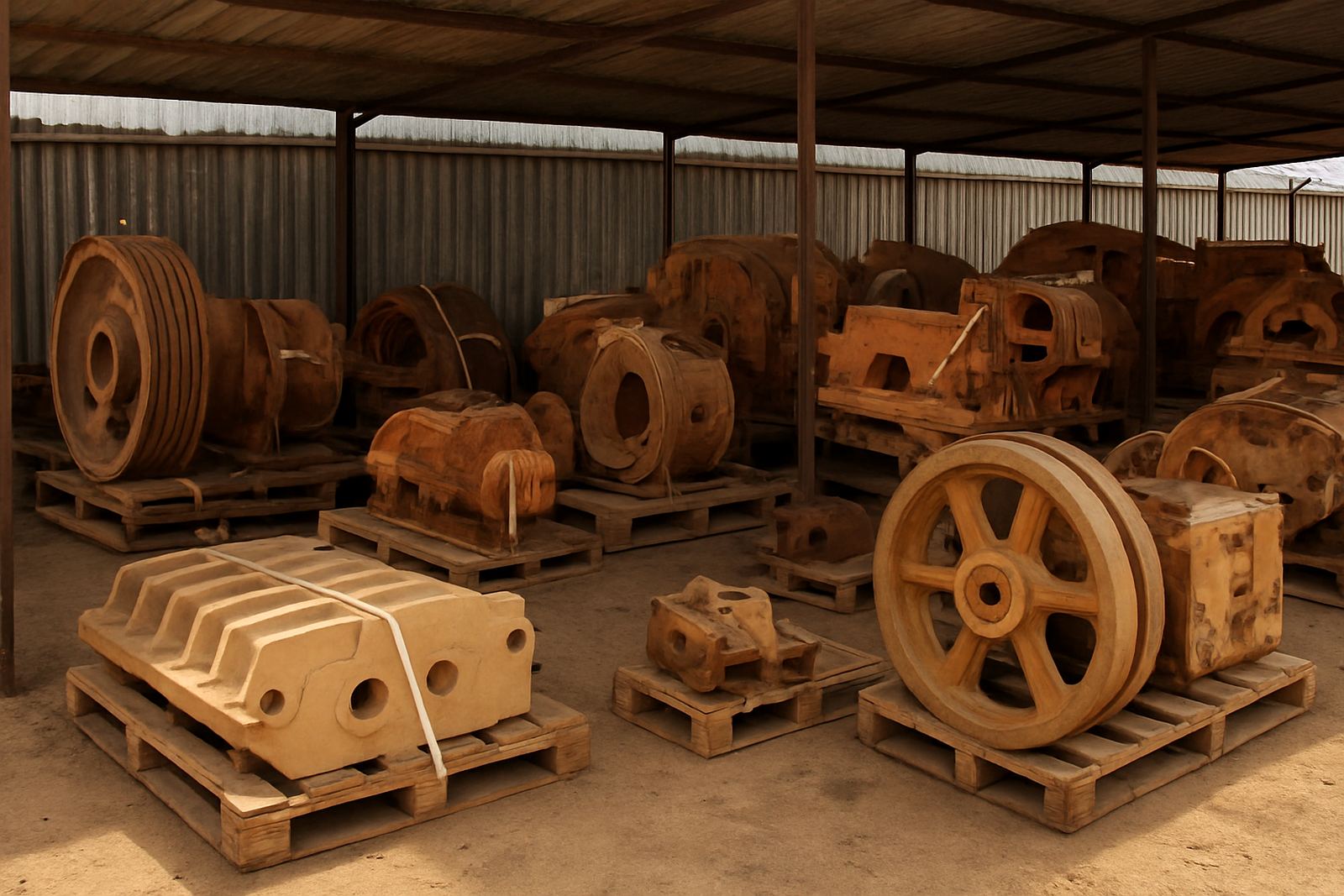
- Storage in a controlled yard area to limit weather damage and handling loss
- Packing or palletising for safer movement between yards, mines and quarries
In the Middelburg climate, dust and moisture can shorten the life of exposed metal fast. We therefore record surface condition carefully and note anything that affects re-use, including pitting, machining marks and remaining thickness. If a part is not fit for exchange, we will say so and recommend scrap vs exchange rather than listing something that will only cause delay.
How the Consignment Process Works
The process is straightforward. First, send us the part details through the enquiry form on our contact page. Then we confirm whether the stock is suitable for consignment, arrange collection or drop-off, and complete an intake check at our yard. After that we create the listing, store the item safely, and manage buyer enquiries until a sale is agreed. Once sold, we prepare the release, collect any agreed fees, and organise delivery or collection according to the buyer’s location.
- Step 1: Submit stock details, photos and your target turnaround time
- Step 2: Inspection and intake at Middelburg or at a regional point
- Step 3: Listing with condition notes, dimensions and key specs
- Step 4: Buyer matching, negotiation and sale confirmation
- Step 5: Release, packing and delivery arrangements
Turnaround depends on how common the part is, the condition and how well it matches current demand. Common wear parts can move quickly, while a more specialised item may take longer. For urgent spares search work we can prioritise the listing process, though we do not promise a sale date where the market is slow. Communication stays direct and practical so you know where the item stands at each stage.
Pricing, Fees and What Affects the Return
Our pricing approach is based on the type of part, the level of inspection required, how long it must be stored and whether packing or delivery is needed. Consignment works best when the owner wants exposure to the market without carrying the day to day effort of finding a buyer. For higher value or awkward items, the right listing format can make a real difference to the return. We will also advise whether a part should be sold as consignment, moved through exchange, or released as scrap if the value is no longer there.
Fees are discussed upfront and agreed before the item is accepted. In most cases the structure reflects a service fee on the sale plus any extra handling, transport or special packing costs. There are no hidden extras added after the fact. If stock needs re-palletising, protected storage or a second inspection after a long period on site, we will quote that clearly. That keeps the arrangement fair for both sides and avoids confusion when the final payment is due.
Storage, Maintenance and Inspection Intervals
Once stock is in our care, we keep it in a controlled yard layout with clear marking and movement control. Parts are stored off the ground where possible, wrapped or covered when required, and checked for moisture, corrosion and handling damage. This matters especially for coastal humidity routes heading through Pietermaritzburg or for long storage periods during shutdown cycles. A clean, identified item sells better than one that has been shifted around three times and left unlabelled.
- Regular visual checks for rust, cracking, paint loss and missing fixings
- Recount and stock verification at agreed intervals for long-term consignments
- Condition updates after movement, packing or buyer viewing
- Immediate attention where a part shows deterioration or safe handling concerns
For fast-moving stock, checks are done more often. For slower items, we agree a maintenance interval that suits the age and value of the part. If a stored item begins to deteriorate beyond acceptable exchange condition, we will advise on the next step rather than leave it to fail quietly in storage.
Why Quarry Owners Use Our Consignment Route
Many owners choose consignment when they have good surplus stock but do not want to discount it too heavily or send it straight to scrap. It keeps the item visible to a wider South African buyer base while reducing clutter at the plant. That matters where storage space is tight, shutdown planning changes quickly, or a mine wants to recover value from duplicate stock after maintenance work. It also supports the local quarrying community by keeping usable parts in circulation instead of wasting serviceable material.
Our Middelburg team, led by Thabo Johannes Mokoena with support from operations, inspection, logistics and client service staff, handles the work in a practical way. The goal is simple: inspect properly, list clearly, store safely and move the part when the right buyer comes along. If you have surplus crusher spares that still deserve a market, consignment is a sensible option.
Key facts
| Base area | Middelburg, Mpumalanga |
|---|---|
| Service type | Consignment sales for surplus crusher spares |
| Stock handled | Wear parts, structural parts, fittings and selected assemblies |
| Coverage | eMalahleni, Rustenburg, Polokwane, Kathu, Pietermaritzburg and nationwide |
| Storage format | Yard storage, palletising and protected holding areas |
| Review interval | Agreed per item, with condition checks for long-term stock |