Brief From A Standerton Quarry Expansion
The client was a mid-sized quarry operation outside Standerton in Mpumalanga, working through a plant expansion that had to stay within budget and keep the civil programme moving. Their existing feed handling section was being reworked, and they needed grizzly bars that could suit a heavier feed mix without slowing the rebuild or forcing them into a costly new purchase. The ask was simple: find usable surplus bars, check them properly, and get them onto site in time for the shutdown window.
The bigger challenge was that the site was already running around production, so there was very little room for delay. Standerton winter mornings, dust and moisture all play a part in how a used steel component should be assessed, especially when it has spent time outside a plant and may have surface wear from previous use. The client wanted a sensible exchange rather than scrap, and that fit our model well.
What We Took On And Why It Mattered
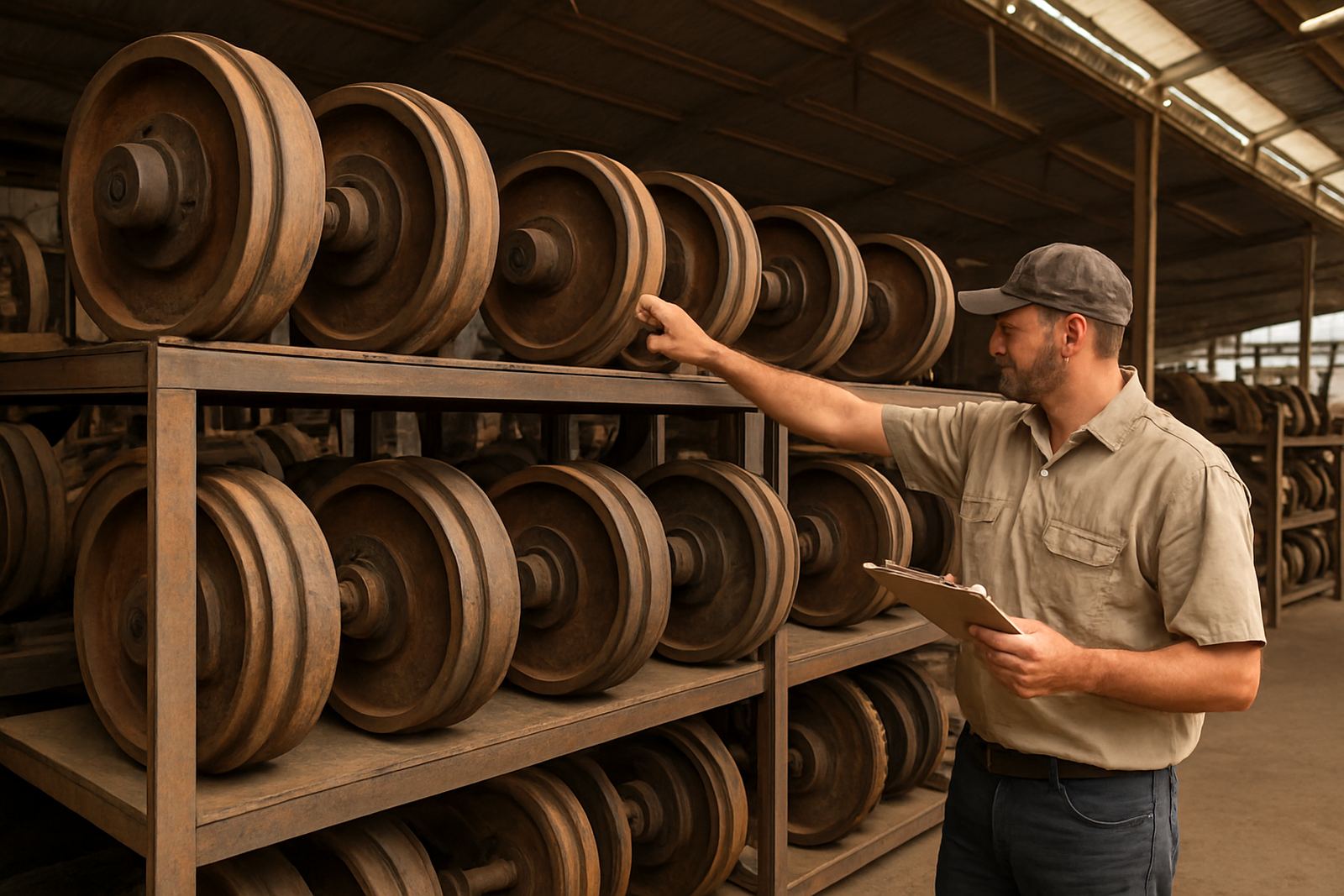
We handled the full exchange process from listing through to final movement. The bars came from a decommissioned feed station and were still serviceable for a different duty cycle, which meant they needed inspection, measurement and honest condition reporting before anyone committed. Our team treated it as a quarry-to-quarry reuse job, not a quick resale.
- Measured bar length, spacing and section thickness against the receiving plant requirements
- Checked bend, cracking, flange wear and corrosion at the contact points
- Recorded what could be reused as is and what needed cleaning before dispatch
- Separated the set for exchange value rather than scrap value
Because these parts were not brand new, the key was matching practical condition to the application. A grizzly set can still do good work if the wear pattern is even and the structure is sound, but it must be handled correctly from the start. We also kept the client informed on the likely lead time, so their shutdown planning stayed realistic.
Inspection, Storage And Dispatch In Middelburg
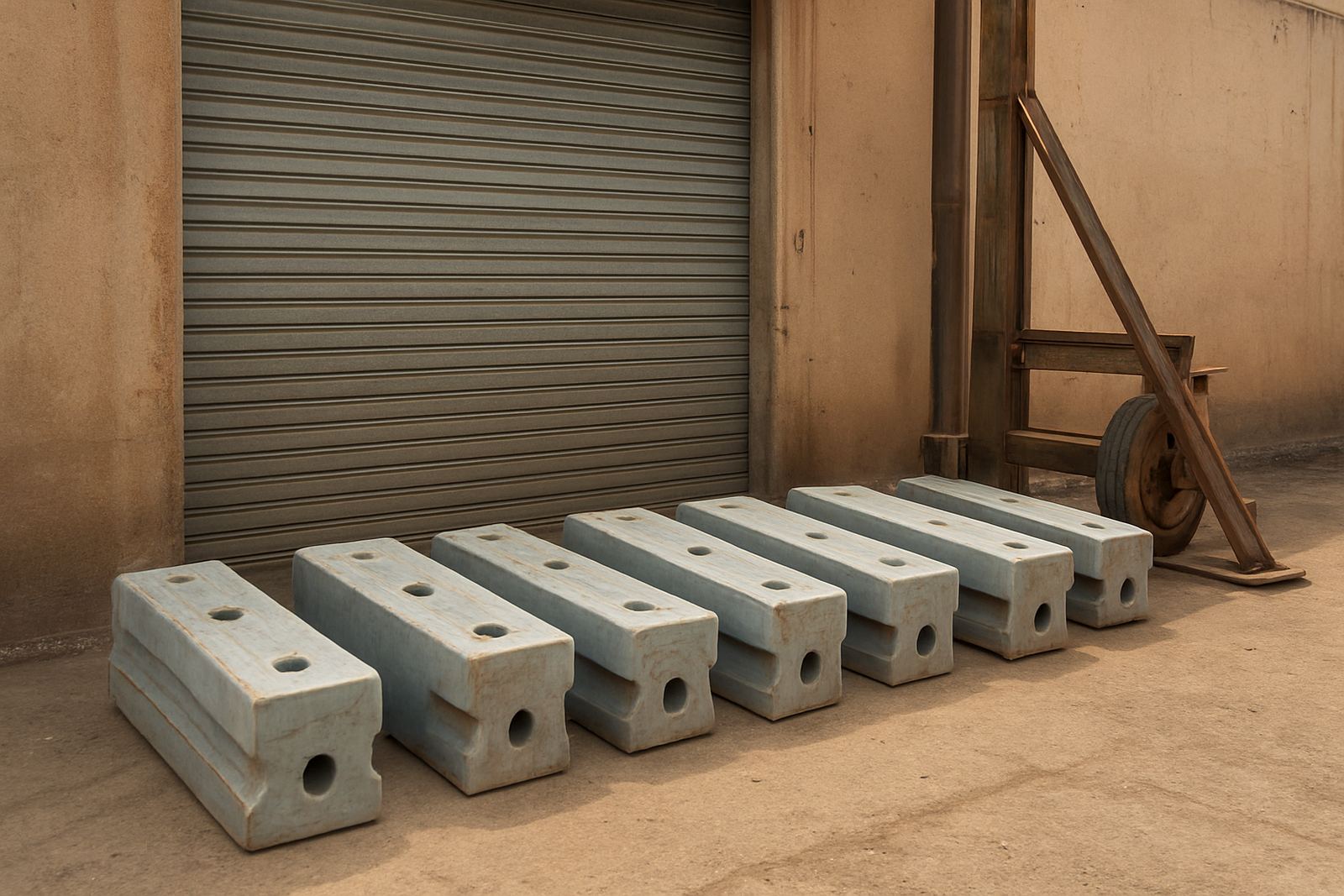
The bars were routed through our Middelburg base for controlled storage and final preparation. That gave us a dry, secure yard space while the paperwork and transport plan were finalised. With load-shedding affecting some yards and workshops across the region, we kept the handling sequence tight so there was no unnecessary waiting around for lifts, weighing or packing.
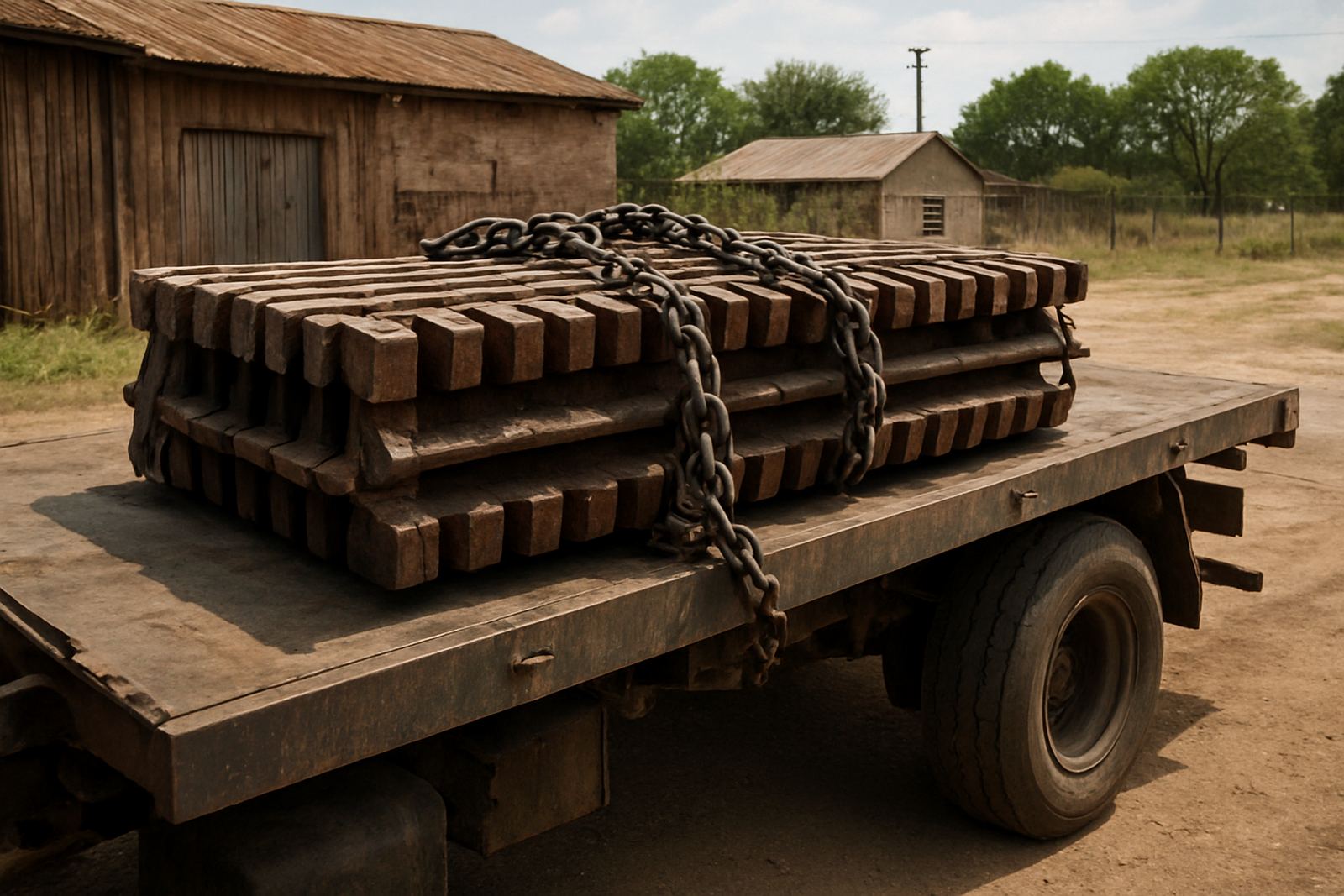
Our inspection coordinator carried out the condition report, then the yard and storage controller organised the set for palletising and protected stacking. We made sure the contact edges were isolated from one another to avoid damage in transit. The logistics supervisor then arranged collection and delivery to fit the plant access times, which mattered because the client had limited offloading space and a short window for receiving.
- Protected storage in Middelburg for the interim holding period
- Palletising and packing suited to heavy steel sections
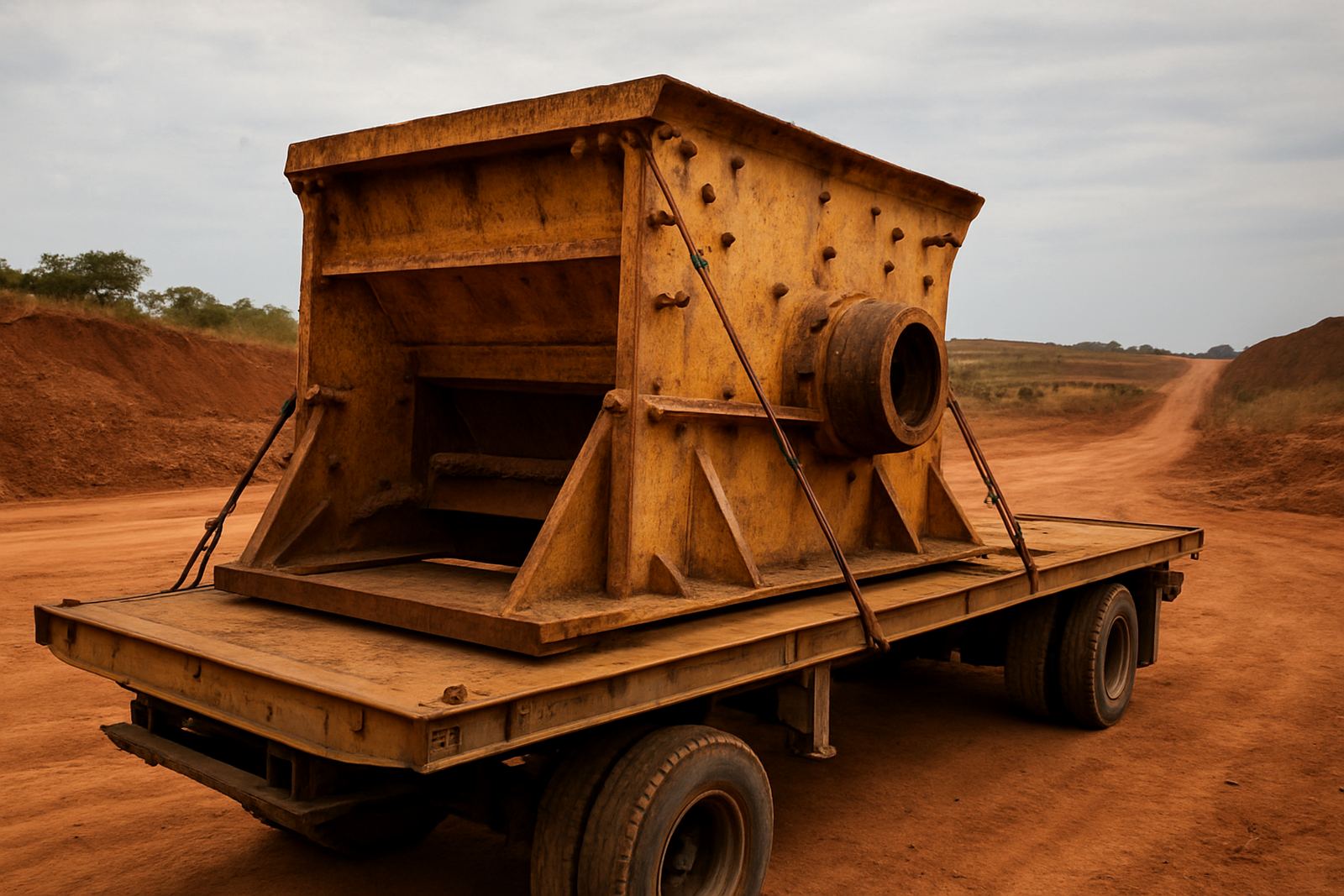
- Local collection from the supply point and delivery to site
- Delivery timing matched to the client shutdown sequence
Project Specs And Timeline
The exchange was completed over a three week period from first enquiry to site delivery. Week one covered sourcing and confirming the bars. Week two covered inspection, condition reporting and storage preparation. Week three covered transport, handover and fitment checks at the receiving quarry. The turnaround was not rushed, but it was firm enough to protect the shutdown programme.
Key facts: the set consisted of heavy duty grizzly bars suitable for a primary feed station, with individual sections sized for practical handling and reinstallation. The bars showed moderate surface wear, no critical distortion on the working faces, and enough remaining service life to justify reuse. We also checked the spacing profile to confirm that fines bypass and oversize control would still suit the new application. There was one minor patch of surface rust from storage exposure, but nothing that affected serviceability once cleaned. The client was happy to accept a used set with clear reporting rather than wait on a full new order.
What The Client Gained From Reuse
The main result was cost control. By using surplus bars instead of buying new, the quarry reduced spend on a part that still had useful life left in it. It also shortened the sourcing chain, which mattered because import lead times and fabricator queues can stretch quickly when a shutdown is close. Reuse also kept a large steel component out of scrap for a bit longer, which made better use of the material already in circulation.
The site team could move ahead with the expansion without reworking the feed section to suit unavailable stock. The receiving crew had the measurements, condition notes and delivery sequence before the load arrived, so there were no surprises at offloading. In practical terms, that meant less plant downtime and fewer calls back and forth during the shutdown. For a quarry working under pressure, that sort of certainty is worth a lot.
- Lower cost than buying new grizzly bars
- Shorter lead time for a shutdown driven project
- Clear condition notes before acceptance
- Useful life recovered from surplus steel
What We Would Do Again On A Similar Job
We would follow the same process again for any quarry or mine needing grizzly bars, feed grates or similar surplus steel sections. Start with accurate measurements, inspect for structural soundness, then match the part to the duty rather than the label. That approach keeps the exchange fair and avoids costly guesswork on site. It also works well in regions like Mpumalanga, where many plants run hard and need practical parts fast.
If the same brief came in tomorrow from Standerton, Bethal or Secunda, we would still prioritise inspection, yard control and delivery planning over speed alone. A used part only saves money when it can be trusted in service, and that trust comes from checking the details properly. Our team has handled enough quarry exchanges to know that a straight answer is better than an optimistic one, even if it takes a little longer to give.
For this job, the outcome was simple: a decommissioned feed station component found a second life in a working quarry, and the client got a fit-for-purpose solution without unnecessary waste.
Key facts
| Project location | Standerton, Mpumalanga |
|---|---|
| Part type | Grizzly bars from a decommissioned feed station |
| Condition | Moderate wear, no critical distortion |
| Timeline | 3 weeks from enquiry to delivery |
| Handling | Inspection, storage, palletising and delivery |
| Outcome | Reused in quarry expansion, reducing cost and waste |