
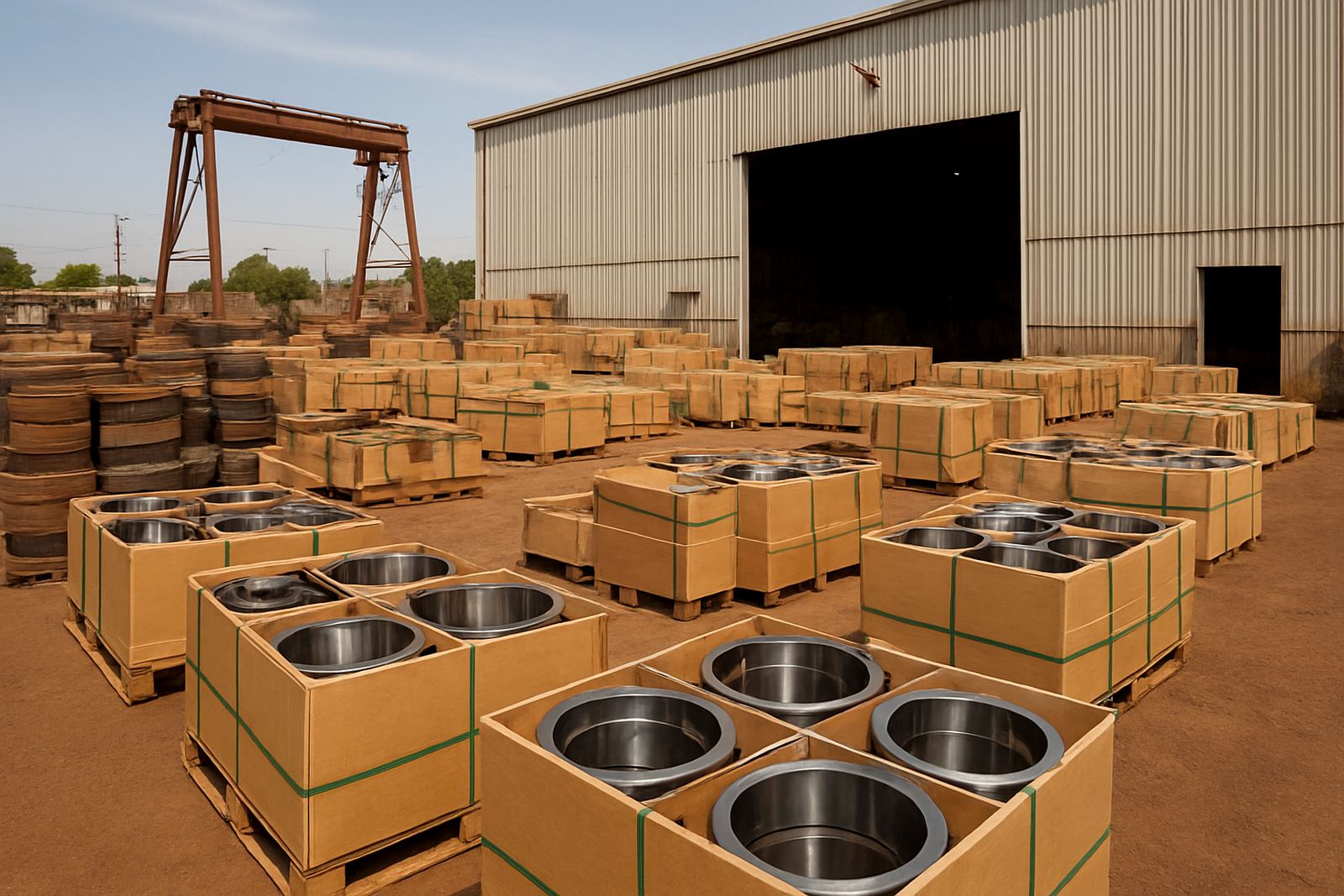
Secunda Region spare movements planned around mine schedules
The Secunda Region needs spare parts movement that fits around shut downs, shift handovers and the reality of changing plant priorities. Our Middelburg base supports buyers and sellers in Secunda with organised collection, checking, storing and delivery of surplus crusher spares and conveyor components, so parts can move without slowing down production planning.
Many clients in this area work with coal handling, quarry feed systems and crushing circuits that run under tight maintenance windows. That means a bearing housing, pulley assembly, liner set or gearbox-related item may need to be moved quickly from one site to another, with proper identification before dispatch. We handle that process in a practical way, with condition notes and exchange options that help you decide what stays on site and what can be passed on.
What we cover for Secunda quarries and plants
We cover a wide range of surplus crusher spares for operations in and around Secunda, Evander, Trichardt and the surrounding industrial belt. Some items move as direct exchanges between sites, while others are stored first and released when the receiving team has confirmed fitment. That approach helps where the original supplier lead time is too long or where a shutdown has come forward by a few days.
- Crusher wear parts, frames, brackets and fastening hardware
- Conveyor rollers, pulleys, idlers and guards
- Hopper and chute spares, liners and support plates
- Lubrication parts, seals, shafts and housings
- Used and surplus components suited to repair or exchange
We also assist with scrap versus exchange decisions. If a part is no longer fit for reuse, we can help assess whether it should be listed for exchange, broken down for value recovery, or set aside as scrap. That saves time on the yard floor and helps keep records cleaner for stores teams and maintenance planners.
Travel times, collections and turnaround from Middelburg
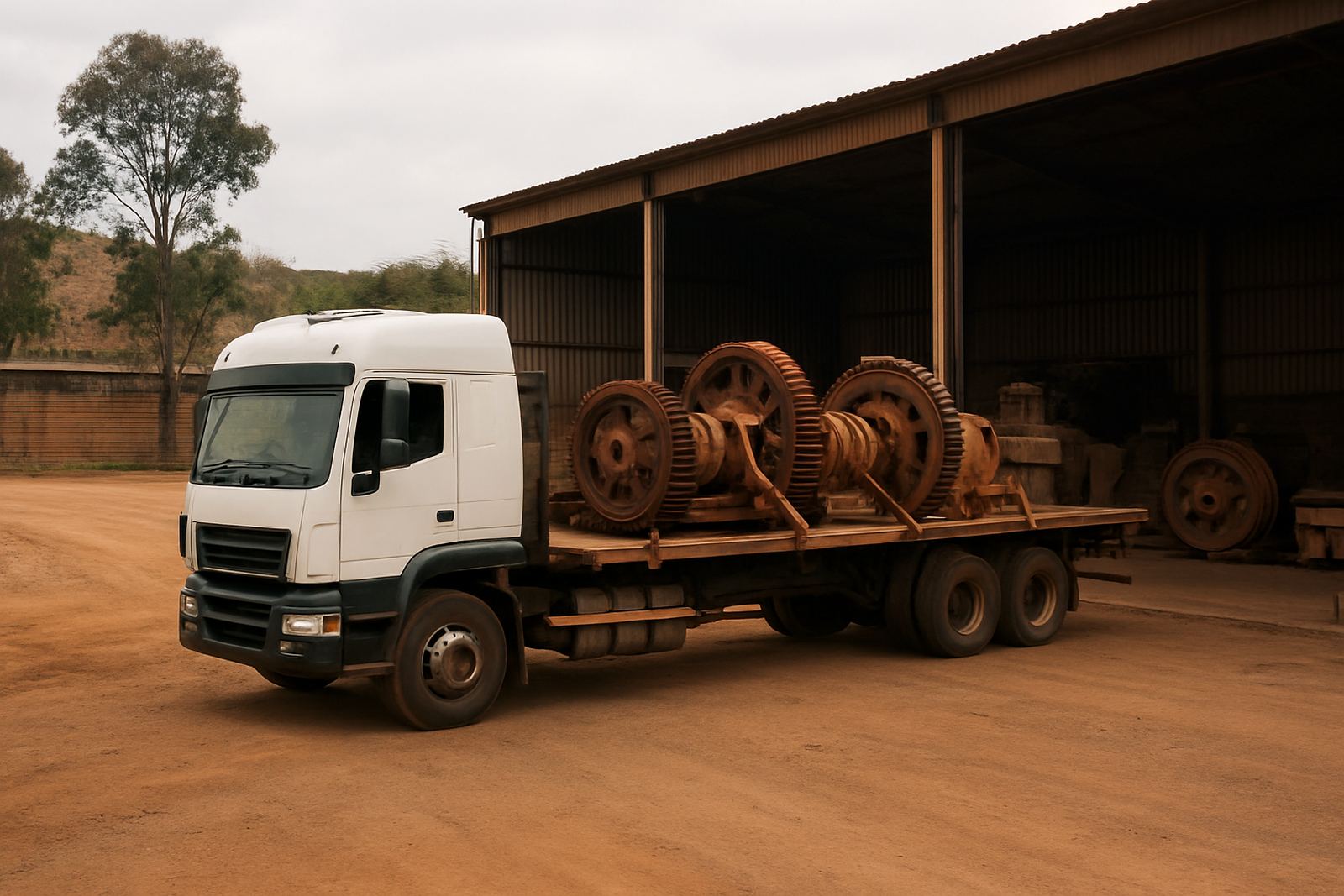
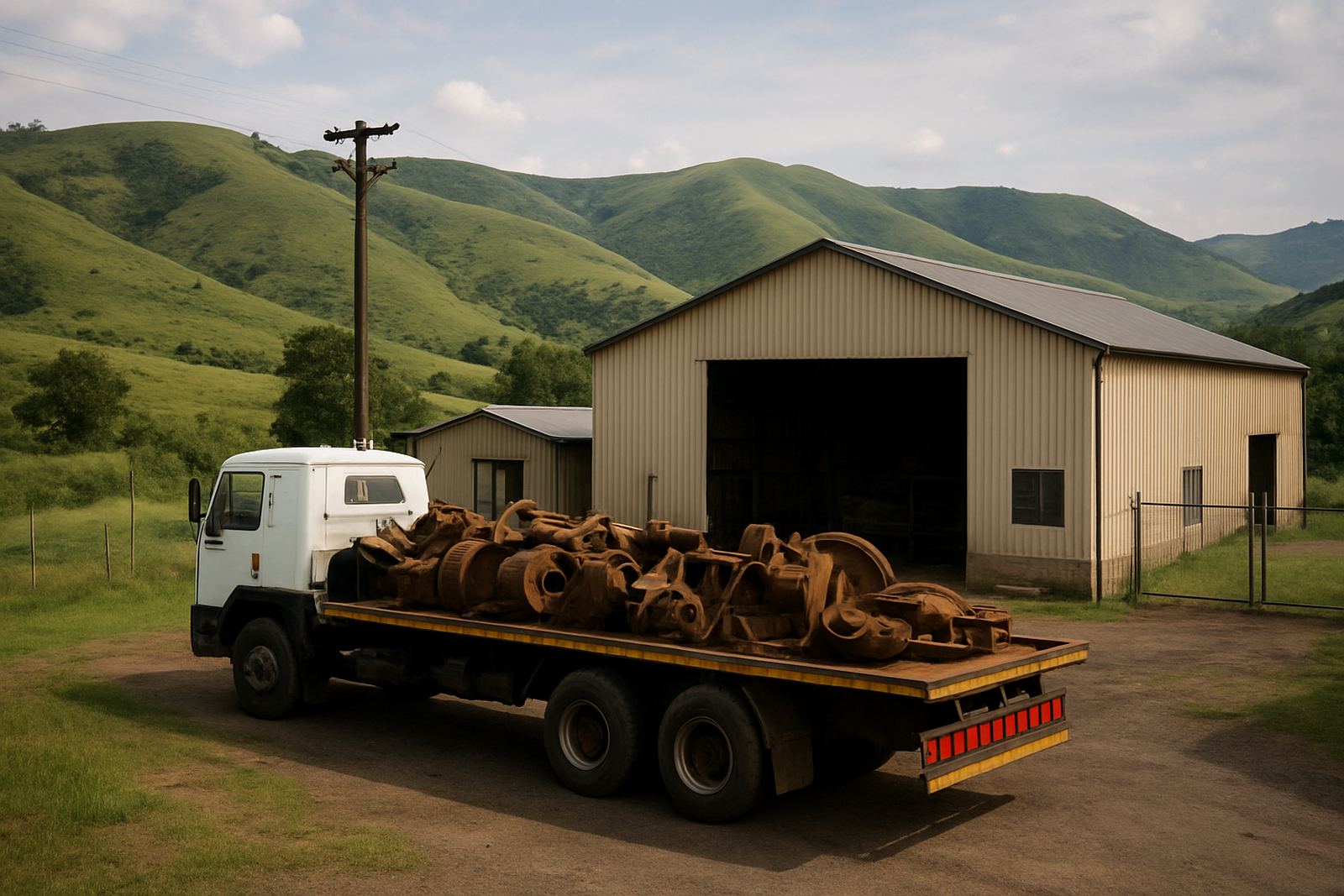
From our Middelburg, Mpumalanga base, the Secunda Region is a practical run for scheduled collections and deliveries. Travel times depend on site access, load size and security checks at the gate, but the route is straightforward for normal truck movements. We plan around weighbridge timings, shift changes and the fact that some sites prefer early arrivals before the plant gets busy.
For urgent spares searches, we can prioritise collection from nearby quarries or storage yards and keep the turnaround tight. Where there is a shutdown window, we work backwards from the required fitment date so the part is inspected, packed and ready before the crew arrives. In practice, that means fewer last minute callouts and less pressure on stores staff who already have enough to manage.
- Local collections by arrangement from yards, mines and quarries
- Palletising and packing for road transport
- Condition checks before release or exchange
- Delivery planning for single items or grouped loads
Local conditions that affect storage and transport
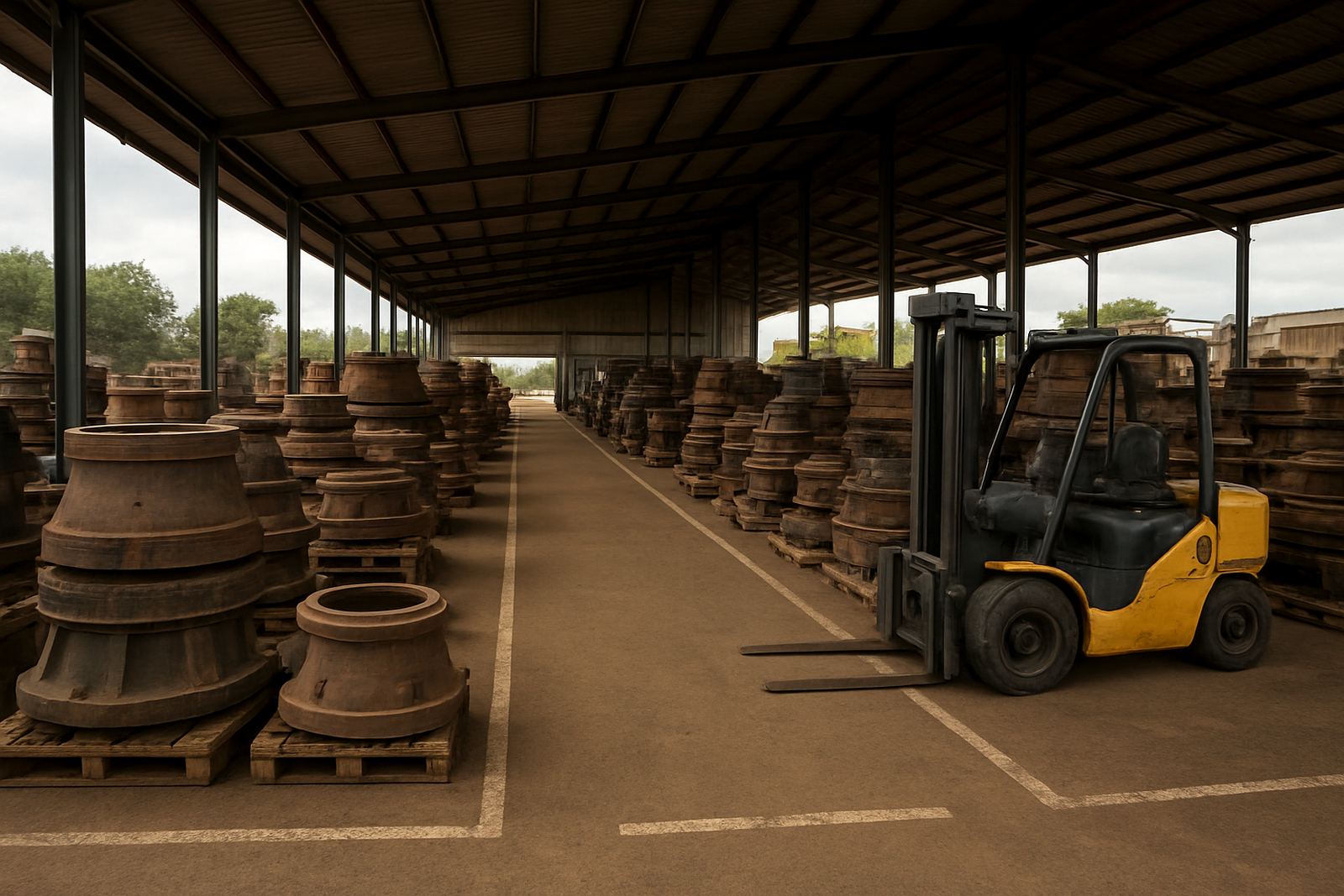
Secunda work often means dust, heat, vibration and long running shifts. Parts that sit too long in open yard conditions can pick up surface rust, damaged seals or contamination, especially when weather changes quickly. Our yard and storage process is set up to reduce that risk, with parts kept identified and separated by job, client or exchange status.
Humidity and fine dust can be hard on conveyor and crusher items, so we pay attention to wrapping, stacking and handling points that can be damaged during loading. This matters for machined surfaces, threaded ends and reusable assemblies. If a part needs extra care, we flag it before transport so the receiving team knows what to expect. It saves arguments on site and keeps handovers cleaner.
We also understand that some Secunda clients work across multiple sites, including satellite plants and contract maintenance yards. When that happens, one load may need to be split across two destinations or held temporarily until the receiving supervisor has cleared space. That is normal for this region and we plan for it from the start.
Inspection, condition reporting and fitment checks
Before a surplus part leaves our control, it can be checked for visible wear, damage, mounting accuracy and general serviceability. Our inspection and condition reporting process gives maintenance teams a clearer picture of what they are taking on, especially when the part has already been in service elsewhere. We do not treat every used item the same because some parts are worth keeping in circulation and others are better moved on.
For Secunda buyers, fitment checks are important when part numbers are unclear or when the machine has been modified over time. A jaw plate set, screen support part or conveyor assembly may look close but still need confirmation before it is loaded. We work with the details that matter: measurements, wear points, bolt pattern, shaft sizes and what the site has actually got in place now.
- Visual checks for wear, cracks and deformation
- Condition notes for re-use, repair or exchange
- Fitment checks against existing plant details
- Clear labels for stored and dispatched parts
Who in the Secunda Region uses our service
Our Secunda Region service suits quarry operators, mine maintenance teams, plant supervisors, shutdown planners and stores departments that need a better way to move surplus parts. Some clients have a part sitting idle after a rebuild, while others are trying to source a usable unit quickly without paying for new stock when a solid exchange option is available. Both situations benefit from a practical marketplace.
Typical users include teams managing crushing circuits, conveyor systems, tip areas and materials handling equipment. They often need a fast answer on whether an item is worth listing, whether it can be stored safely until needed, or whether it should be moved on before it occupies more yard space. That is where our team in Middelburg and the regional support network work together to keep the process moving.
Our managing director is Thabo Johannes Mokoena, with day to day support from Lerato Maseko in operations, Sibusiso Ndlovu on inspection coordination, Anika van Zyl in sales and exchange, Mpho Rakoma on logistics, Nokuthula Dlamini in client support and Johan Steenkamp handling yard and storage control. Each role matters because spare part movements need order, not guesswork.
How to start a Secunda listing or exchange
If you have surplus crusher or conveyor spares in Secunda, start by sending the details through the contact page form. Include the part type, condition, quantity, size if known and whether you want to sell, swap or store it for a later exchange. The more practical the information, the faster we can line up the right response.
We then match the part against current demand, confirm what transport is needed and advise on the next step. Some items can move straight into an exchange, while others need inspection first or a temporary yard hold before dispatch. If you are working under a shutdown deadline, tell us up front so we can plan around it and avoid wasted trips.
For Secunda clients, the main advantage is simple: one contact point for listing, checking, storing and delivery, with no fuss and no unnecessary delay. That helps keep surplus parts in use where they still have value, instead of leaving them to sit in a corner until they become a storage problem.